Introduction to Data Integration in Construction
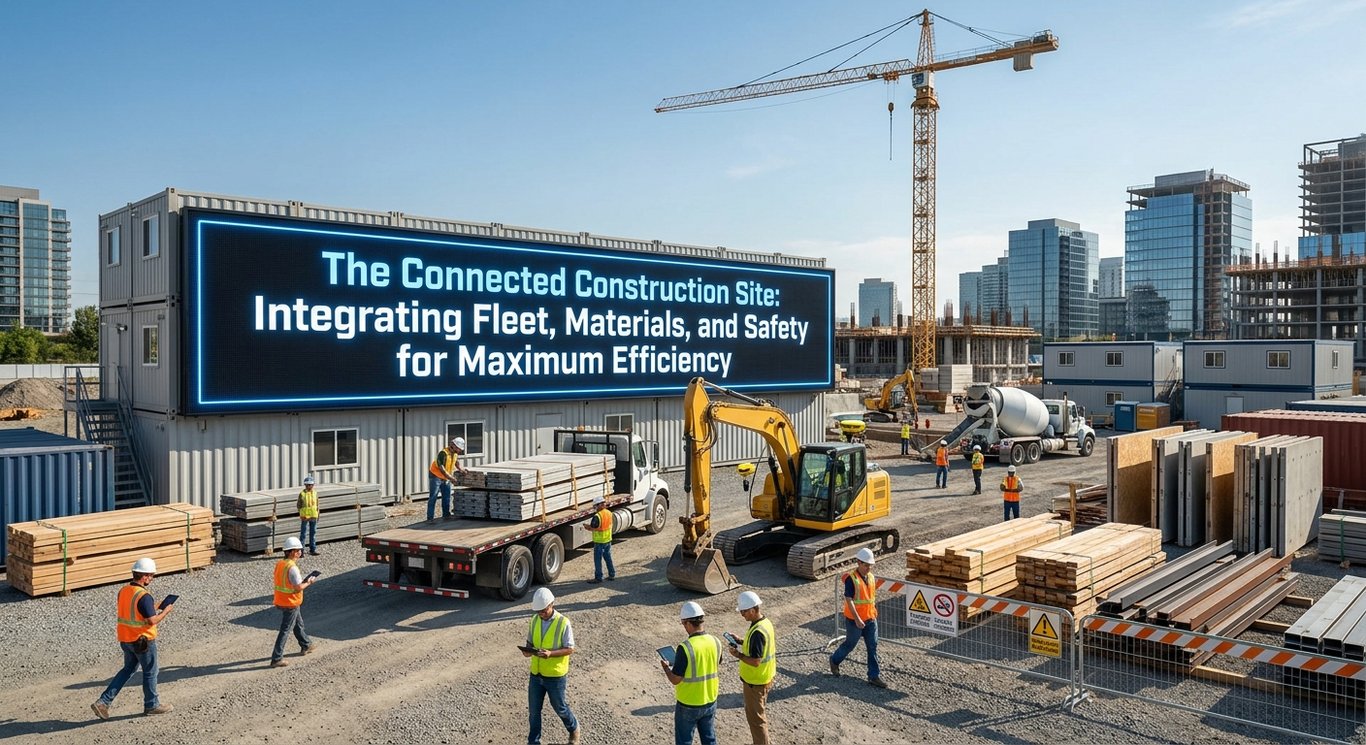
Data integration in construction refers to the process of connecting information from fleet management, material tracking, and safety systems into a single, unified platform. Instead of having separate spreadsheets or software for every department, this approach creates a central nervous system for your project where all data points talk to each other. By bringing these different streams of information together, project managers get a complete picture of the job site in real-time. This holistic view is essential for modern construction management because it turns raw numbers into actionable insights.
Unfortunately, the construction industry has historically struggled with “siloed” data, where critical information gets trapped in disconnected systems. When the fleet manager doesn’t know what the safety officer is seeing, or when the purchasing department is out of sync with the site supervisor, costly mistakes happen. These communication gaps often lead to wasted materials, equipment sitting idle, and dangerous safety risks that could have been avoided. As projects get more complex, the cost of keeping this data separated continues to rise, eating away at profit margins.
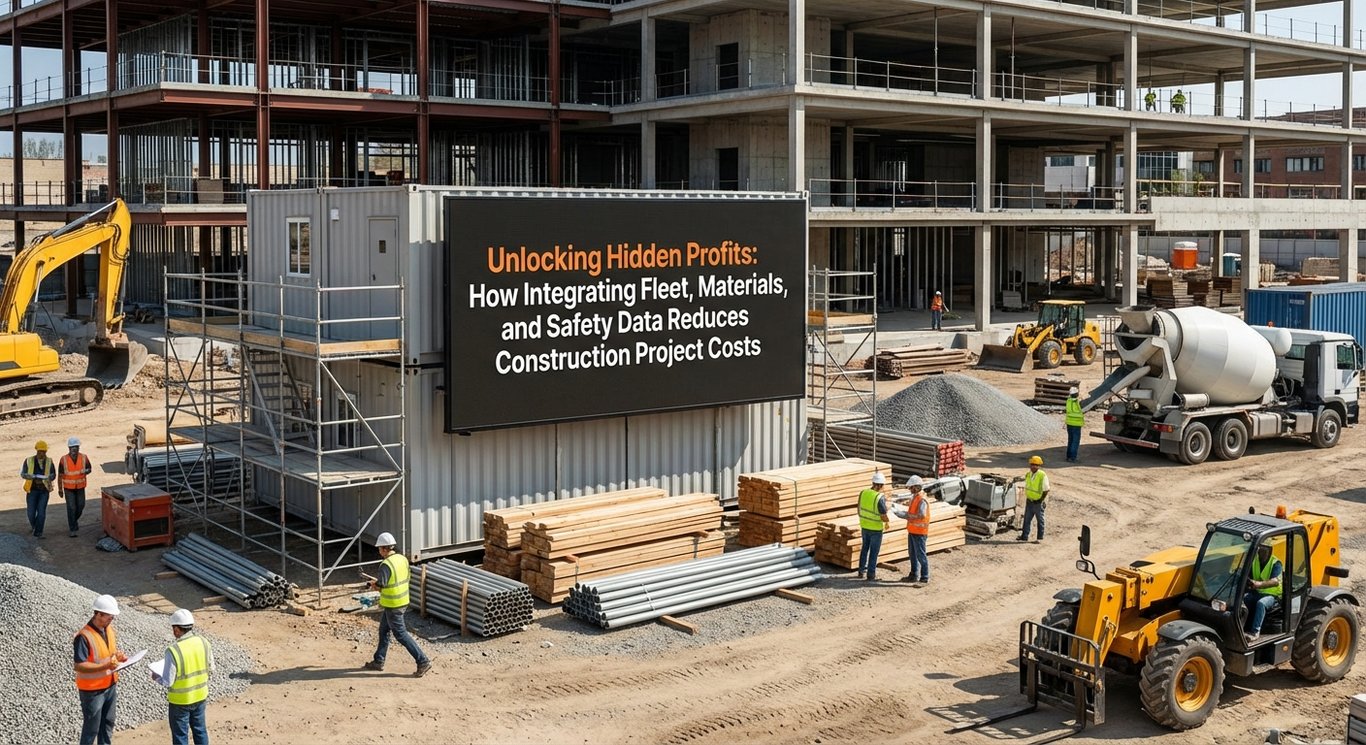
However, when companies successfully break down these barriers, they often discover a goldmine of hidden profits. By integrating these systems, construction firms can spot inefficiencies that were previously invisible, allowing them to make tighter schedules and smarter budget decisions. Ultimately, moving from disjointed data to a fully integrated system unlocks significant efficiency gains that directly boost the bottom line. 🚀
The High Cost of Siloed Data in Construction Projects
When project data lives in isolation, it creates a domino effect of inefficiency that plagues the entire construction lifecycle. Without a unified view, resource allocation becomes a guessing game; you might have expensive machinery sitting unused on one site while another site is renting the same equipment at a premium. Furthermore, disconnected systems frequently lead to safety incidents because hazard data isn’t shared quickly enough with the people who need to see it. These operational hiccups cause frustrating delays that push project timelines back and frustrate clients.
Beyond just frustration, the financial impact of poor data visibility is staggering for many construction firms. Industry statistics consistently show that a large percentage of project cost overruns are directly linked to a lack of timely information. When managers rely on outdated reports or incomplete data, they cannot pivot quickly enough to stop small problems from becoming expensive disasters. Consequently, the inability to see the full financial picture in real-time is one of the biggest threats to project profitability today. 📉
Key Benefits of Integrating Fleet Data
Fleet Utilization and Maintenance Optimization
Real-time tracking of equipment performance through IoT (Internet of Things) sensors is a game-changer for preventing costly mechanical failures. By installing smart sensors on excavators, cranes, and trucks, managers can monitor engine health, fluid levels, and usage hours instantly from a dashboard. This technology removes the guesswork from fleet management, ensuring that every piece of machinery is operating at peak efficiency. Instead of waiting for a machine to break down in the middle of a critical job, the data alerts the team to potential issues before they stop work.
“According to a 2024 study from Global Market Insights, 70% of the construction industry is leveraging big data technologies across software, IoT, and sensors – though effective use of that data still lags.” -Kahua Resources
This shift toward predictive maintenance does more than just keep the gears turning; it drastically reduces downtime and fuel expenses. When maintenance is based on actual usage data rather than arbitrary calendar dates, companies avoid unnecessary servicing while preventing catastrophic engine failures. Additionally, analyzing fuel burn rates helps identify idling equipment, allowing for coaching that saves thousands of dollars in fuel over the course of a project. In short, listening to what your fleet data is telling you keeps money in your pocket and machines on the move. 🚜
Streamlining Materials Management Through Data Integration
Effective data integration transforms how construction companies handle inventory, logistics, and budget tracking. By connecting material orders directly to project management software, teams can track exactly what has been delivered, what has been installed, and what is still on the truck. This real-time comparison of consumption against the budget ensures that project managers know immediately if they are burning through materials too fast. Keeping a close digital eye on these logistics prevents the common headache of running out of critical supplies right when they are needed most.
[cta-call:Call2]
Furthermore, automated data systems are excellent at detecting errors in orders before they result in waste or rework. Human error is natural, but when a digital system cross-references design specs with purchase orders, it can flag discrepancies-like ordering the wrong grade of steel or incorrect piping size-before the materials ever leave the supplier. Catching these mistakes early means fewer returns, less material sitting in the scrap pile, and a significant reduction in the costs associated with fixing work that shouldn’t have been wrong in the first place. 🧱
Finally, advanced analytics can even predict vendor performance and potential supply chain delays. By analyzing historical data, integrated systems can highlight which suppliers consistently deliver late or which materials are currently facing market shortages. Armed with this predictive knowledge, construction managers can adjust their schedules or find alternative vendors proactively. This foresight minimizes the ripple effect of supply chain disruptions, ensuring the project flow remains steady and predictable.
“Data analytics can help construction project managers make more accurate cost forecasts by analysing data on expenses, vendor pricing, and market conditions.” -PlanRadar
Enhancing Safety with Integrated Data Insights
Modern safety integration goes beyond clipboards and checklists by utilizing real-time monitoring of environmental conditions and worker locations. Technologies like geofencing can create digital perimeters around hazardous zones, alerting supervisors immediately if a worker enters an unsafe area without authorization. simultaneously, environmental sensors can detect dangerous levels of dust, noise, or fumes, sending instant warnings to the crew. This constant digital vigilance acts as an extra set of eyes on the job site, ensuring that safety protocols are being followed at all times.
The financial correlation between high safety standards and integrated data is undeniable, as it leads to fewer incidents and lower costs. When safety data is analyzed alongside project timelines, companies can identify patterns that lead to accidents and correct them before someone gets hurt. Fewer accidents mean fewer insurance claims, lower premiums, and no costly work stoppages due to investigations. Ultimately, a safer job site is a more profitable one, as it keeps the project moving forward without the tragic and expensive interruptions of workplace injuries. 👷
How Real-Time Analytics Unlocks Cost Savings
Comparing Labor, Progress, and Resource Data
One of the most powerful ways to control costs is by performing a side-by-side analysis of labor assignments against actual project progress. Integrated platforms allow managers to see if the hours logged by the crew match the percentage of work completed for that day. If the data shows that a task estimated to take ten hours actually took twenty, the manager can investigate immediately rather than waiting for the end-of-month report. This level of visibility ensures that labor resources are being used effectively and that productivity remains high.
This real-time insight allows for proactive issue resolution, which is critical for sticking to the schedule. Instead of reacting to a delay weeks after it has happened, managers can spot trends-like a specific crew struggling with a certain task-and offer training or additional resources instantly. By addressing these small inefficiencies the moment they appear, the project stays on the critical path. Keeping the schedule tight is the best way to ensure the profit margin stays healthy. ⏱️
“One of the most significant benefits of data-driven decision-making is the ability to optimize costs. Trimble’s data analytics capabilities help identify inefficiencies in resource use.” -SITECH LA
Case Studies: Real-World Cost Reductions from Data Integration
Consider a large civil engineering firm that decided to integrate its fleet data with its financial software. By tracking idle time across their heavy machinery, they realized that 20% of their fuel costs came from machines sitting running while not in use. They implemented a strict anti-idling policy backed by sensor data, which resulted in a massive reduction in monthly fuel bills and extended the lifespan of their engines. This simple insight, unlocked by data, saved them hundreds of thousands of dollars over a single year.
In another example, a commercial builder focused on integrating their BIM (Building Information Modeling) data with their materials ordering system. Previously, they estimated waste at around 10%, a standard industry buffer. However, by using precise digital measurements to automate orders, they reduced material waste to under 3%. This precision meant they weren’t paying for dumpsters to haul away excess cut-offs, and they weren’t buying materials that ended up in the trash. 🏗️
Finally, a multi-story residential project utilized integrated safety data to lower their insurance premiums. By demonstrating to their insurer that they used geofencing and real-time hazard monitoring, they were categorized as a lower risk. Over the course of the two-year project, the site experienced zero lost-time incidents. This perfect safety record, driven by data insights, allowed them to finish the project two weeks ahead of schedule, saving significantly on general conditions and overhead costs.
Implementing Integrated Data Systems: Best Practices
The first step in successful integration is choosing software that plays well with others, such as compatible ERP (Enterprise Resource Planning), BIM, and analytics tools. You want to avoid buying “closed” systems that make it difficult to export or share data. Look for platforms that offer open APIs (Application Programming Interfaces), which act like bridges allowing different software to talk to each other. Taking the time to audit your current tech stack and selecting tools designed for interoperability will save you a massive headache down the road.
“Construction data analytics has enabled construction leaders and managers to monitor project progress in real-time, identify potential risks early, and make informed adjustments to keep projects and tasks on track.” -CMiC Global
However, the best software in the world won’t work if your team doesn’t know how to use it, so training is crucial. Implementing new technology often faces resistance from crews who are used to doing things the “old way.” To overcome this, focus on showing them how the data makes their specific job easier, rather than just emphasizing management benefits. continuous support and clear, simple training sessions will help overcome adoption challenges and ensure the data entering the system is accurate. 🤝
Future Trends in Construction Data Integration
The future of construction data is moving rapidly toward Artificial Intelligence (AI) and machine learning. Soon, advanced IoT devices won’t just report data; they will use AI to provide predictive insights, telling you a machine will break down before it even shows a symptom. We can expect to see “smart sites” where algorithms automatically adjust material delivery schedules based on weather forecasts and real-time traffic data. This shift will move the industry from reacting to problems to preventing them entirely.
By 2026, industry experts predict that widespread adoption of these integrated technologies will separate the market leaders from the laggards. Firms that fully embrace these data ecosystems are expected to see significantly higher profit margins compared to those sticking to manual methods. As the technology becomes more affordable and accessible, the ability to leverage data will stop being a competitive advantage and start being a requirement for survival in the construction business. 🔮
FAQ
What are the main challenges in integrating fleet, materials, and safety data?
The biggest challenges are usually incompatible software systems (silos), resistance to change from the workforce, and the initial time investment required to set up the data architecture. Ensuring data quality-making sure the numbers entered are accurate-is also a common hurdle.
How much can construction firms save by integrating these data sources?
While results vary by project size, industry reports suggest that data-driven decision-making can help reduce overall project costs by up to 33%. This comes from a combination of fuel savings, reduced material waste, and lower insurance premiums.
What tools are best for real-time data analytics in construction?
Popular tools include construction management platforms like Procore or Autodesk Construction Cloud, combined with fleet telematics software and ERP systems like Sage or Viewpoint. The “best” tool depends on your specific company size and needs.
Is data integration suitable for small construction projects?
Yes! While large projects have more data points, small projects also benefit from reduced waste and better scheduling. Many software providers offer scaled-down versions of their tools specifically for smaller contractors.
How does safety data integration directly impact project costs?
It reduces direct costs like medical expenses and insurance deductibles, and indirect costs like project delays, legal fees, and administrative time spent on accident investigations. A safer site is almost always a cheaper site to run.
Conclusion
Integrating fleet, materials, and safety data is no longer just a fancy trend; it is a fundamental strategy for uncovering hidden profits in construction. throughout this article, we have explored how connecting these disparate systems helps eliminate the “blind spots” that lead to wasted fuel, excess materials, and costly accidents. By breaking down data silos, project managers gain the visibility they need to stop bleeding cash and start optimizing every hour of labor and every gallon of fuel.
To recap the key takeaways: Real-time analytics empower you to optimize your resources, ensuring fleet efficiency, material accuracy, and proactive safety prevention. Industry data supports the fact that these data-driven decisions can cut project costs by significant margins-sometimes up to 33%. Furthermore, these strategies are scalable, meaning that whether you are building a single custom home or a massive skyscraper, the principles of data integration can help protect your budget.
Now is the time to stop guessing and start knowing. Start unlocking hidden profits today by auditing your current data systems to see where the gaps are. Consider piloting a new integration tool on your next job and partner with analytics experts who can help you interpret the numbers. By taking these steps, you can transform your construction projects into leaner, safer, and far more profitable operations. 💡