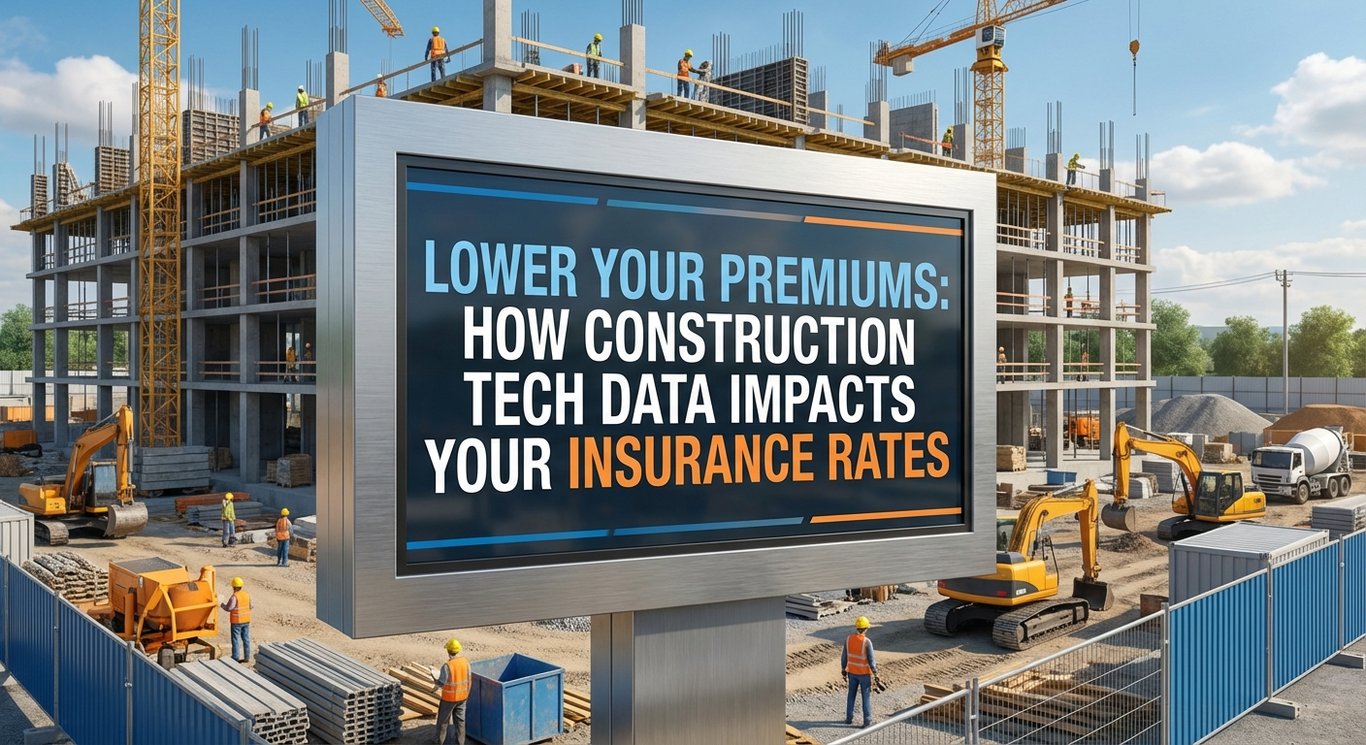
Understanding Construction Insurance Premiums
Construction insurance premiums are the regular payments you make to keep your business covered against risks, but they aren’t just random numbers. Insurers calculate these rates based on how risky they think your project is. Several key factors drive these costs up, including the total size of your project, the cost of labor, and the price of materials. When you take on a massive job with expensive supplies, the insurance company sees a bigger potential payout if something goes wrong, which naturally leads to a higher bill for you. 🏗️
In addition to project size, rising construction costs play a huge role in premium hikes through something called replacement cost value (RCV). Basically, if the price of lumber or steel shoots up due to inflation, it costs way more to rebuild a structure after a disaster. Because the cost to fix or replace damage is higher, insurance carriers have to adjust your premiums upward to ensure they can cover those inflated expenses. It is a direct link: when the market gets expensive, your insurance usually follows suit.
To figure out exactly what to charge you, insurers rely heavily on specific safety metrics. The most important ones are your Experience Modification Rate (EMR) and Total Recordable Incident Rate (TRIR). Think of your EMR like a credit score for safety; a score below 1.0 means you are safer than average, while a score above 1.0 signals danger. 🚩 If your EMR or TRIR numbers are high, insurers assume you are likely to have accidents, and they will charge you significantly more to protect their bottom line.
Why Premiums Are Rising in the Construction Industry
Lately, it feels like insurance rates are climbing faster than a tower crane, and there are a few big reasons why. Inflation is a major culprit, making everything from tools to drywall more expensive to replace. On top of that, the industry is facing a serious labor shortage, meaning less experienced workers are often on site, which can increase the risk of mistakes. We also can’t ignore environmental factors; severe weather events like floods and wildfires are happening more often, forcing insurers to raise rates to cover these growing climate risks. ⛈️
Furthermore, the projects themselves are getting bigger and more complex. When you combine massive skyscrapers or infrastructure jobs with a shortage of skilled labor, the potential for a very expensive claim goes through the roof. Insurers look at these large-scale projects and see a lot of moving parts where things can go wrong. Because the financial fallout of a claim on a mega-project is so huge, insurance companies have no choice but to increase premiums to create a safety net for themselves.
Introduction to Construction Technology and Data
Construction technology has evolved way beyond just power tools and excavators. Today, we are talking about smart tech like Building Information Modeling (BIM), the Internet of Things (IoT), Artificial Intelligence (AI), wearables, and even robotics. These tools do more than just help build; they constantly collect information. For example, a smart helmet can track where a worker is, and AI cameras can spot a hazard before anyone gets hurt. This creates a massive amount of valuable data regarding how your job site actually operates. 🤖
This data is incredibly powerful because it helps create a favorable risk profile for your company. Instead of just telling an insurer, “We are safe,” you can show them hard data proving it. By using technology to monitor safety protocols and catch issues early, you naturally reduce the number of accidents and claims. When you have fewer accidents, you look like a much safer bet to insurance providers, which is the first step toward lowering those monthly costs. 📉
How Tech Data Influences Underwriting Decisions
Insurers are starting to love data just as much as contractors do. When underwriters look at your application, they are now looking for tech-generated data that proves you are on top of safety. They want to see metrics on near-misses, safety compliance rates, and how often your team is trained. If you can provide a digital log showing that you caught a hazard and fixed it before an accident happened, it proves you are proactive. This concrete evidence gives underwriters the confidence to offer you a better deal.
“Contractors who integrate smart technology save on insurance. A POWERS client saved $62,000 because he implemented safety technology.” -Powers Insurance
Moreover, data analytics play a huge role in improving your EMR and TRIR scores over time. By analyzing the data from your job sites, you can identify patterns-like a specific time of day when accidents happen or a task that causes injuries. Fixing these root causes lowers your incident rates. When you go to renew your policy, you can show the insurer that your EMR has dropped because of these data-driven changes, giving you strong leverage to negotiate a lower rate. 🤝
Finally, real-time data from dashboards and apps serves as an excellent negotiation tool when talking to brokers. Instead of waiting for a yearly audit, you can pull up a dashboard that shows your safety performance right now. Being able to walk into a meeting with a broker and show them live charts proving your site is accident-free is a game changer. It shifts the conversation from “what might happen” to “what is actually happening,” which can help you lock in the best possible pricing.
Top Construction Technologies Reducing Risks and Premiums
Building Information Modeling (BIM) and VR Safety Training
Building Information Modeling (BIM) is a digital tool that lets contractors build the project virtually before a single shovel hits the dirt. This improves planning significantly because you can spot clashes or design errors that might cause accidents later on. Paired with Virtual Reality (VR), workers can train in a simulated environment. They can practice handling dangerous situations without actually being in danger, which makes them much sharper when they get to the real job site. 🥽
[cta-call:Call2]
The impact of these technologies on premiums is real and measurable. By catching design flaws early with BIM and ensuring workers are better trained through VR, companies see a drastic drop in on-site errors and accidents. Fewer accidents mean fewer claims. When you can show an insurer that your use of BIM prevented costly rework and injuries, they are often willing to reduce your premiums because the likelihood of a payout has gone down.
Prefabricated, Modular, Robotic, and 3D Printing
Prefabricated and modular construction moves a lot of the dangerous work into a controlled factory setting. Instead of workers hanging off the side of a building in the wind, they are working at ground level in a warehouse. Robotics and 3D printing take this even further by automating repetitive or heavy tasks. This automation removes humans from the most dangerous parts of the construction process, drastically minimizing the risk of falls, strains, and crush injuries. 🏭
Research suggests that these technologies offer some of the highest potential for premium reductions. Since robots and 3D printers don’t get tired or injured, the accident rate for projects using these methods plummets. Insurers love this because it removes the “human error” factor from high-risk activities. Consequently, companies that heavily utilize automation and off-site fabrication often enjoy the lowest insurance rates in the industry.
IoT, Wearables, and AI Safety Monitoring
The Internet of Things (IoT) and wearables are like having a safety manager on every worker’s shoulder. Sensors on vests can detect if a worker lifts something improperly, while smart badges can alert supervisors if someone enters a restricted zone. This real-time monitoring allows for immediate hazard detection. If a toxic gas leak is detected by a sensor, the system can evacuate the area instantly, preventing a catastrophe. ⌚
“A typical insurance premium may cost between 1 and 4% of the total cost of construction for a project.” -Autodesk Construction Blog
Artificial Intelligence (AI) takes this a step further by analyzing video footage from the site. AI can scan hours of video in seconds to predict safety issues, such as workers not wearing hard hats or equipment being left in dangerous spots. It provides predictive insights, telling you where an accident is likely to happen so you can stop it before it does.
Ultimately, the data from these technologies directly lowers claims frequency. When you stop a back injury because a wearable warned a worker, or prevent a collision because AI flagged a blind spot, you avoid a claim. A lower frequency of claims is the golden ticket for insurance savings. Over time, this data proves to the insurer that your tech investment is actively saving them money, which they pass back to you in lower rates.
Quantifying Premium Savings with Tech Data
Insurance premiums typically cost anywhere from 1% to 4% of a total project’s cost. On a multi-million dollar build, that is a massive chunk of change. However, by leveraging technology, you can chip away at that percentage. Even a small reduction in your rate can equal tens of thousands of dollars in savings. The tech pays for itself not just in efficiency, but by directly slashing that 1-4% operational cost. 💰
For example, the goal for many contractors is to get their EMR down to a range of 0.70 to 0.90. An EMR of 1.0 is average, so anything below that means you are paying less than your competitors. By using data to improve safety, some companies have successfully dropped their EMR significantly. Reaching that 0.70 mark is the sweet spot where you unlock the lowest possible rates, turning safety data into pure profit.
Steps to Leverage Tech Data for Lower Premiums
The first step is to implement robust safety software and start tracking “leading indicators.” Leading indicators are proactive metrics, like how many safety meetings you held or how many near-misses were reported. Unlike “lagging indicators” (which just count accidents after they happen), leading indicators show you are preventing problems. Start gathering this data immediately so you have a history to show.
Next, use this data specifically for insurance audits and broker negotiations. Don’t just file the data away; package it into a report for your renewal meeting. Show your broker exactly how your new software reduced unsafe behaviors by 20% or how your wearables prevented heat exhaustion. Brokers work for you, so give them the ammunition they need to fight for a lower rate with the insurance carriers. 🥊
Finally, create decision models for adopting new tech. You need to weigh the cost of the technology against the potential profit impact from insurance savings. If a new AI camera system costs $10,000 but saves you $50,000 in premiums on a large project, the decision is a no-brainer. Look at the scale of your projects and choose the tech that offers the best return on investment through risk reduction.
“It is concluded that accidents and insurance premium decrease most for robotic fabrication, 3D printing and automated construction; followed by construction site IoT.” -AUC Knowledge Fountain
Challenges and New Risks with Construction Tech
While tech is great, it does introduce some new headaches, specifically regarding cyber threats. If your entire job site relies on IoT sensors and cloud data, a hacker could theoretically shut down your operations or steal sensitive project data. There is also the risk of tech failure-if a safety sensor breaks and no one notices, you might have a false sense of security. These are new risks that insurers are starting to look at closely. 💻
Because of this, policies may need adjustments. You might lower your general liability premium but need to add cyber liability coverage. Also, technology can’t fix everything; factors beyond premiums, like the sheer complexity of a unique architectural design, will always carry risk. It is important to remember that tech is a tool to manage risk, not a magic wand that makes all danger disappear.
Case Studies: Real-World Premium Reductions
There are plenty of success stories out there. For instance, several general contractors have reported using AI-driven video analytics to monitor site behavior. After just one year of identifying and correcting unsafe habits, they saw their EMR scores drop significantly. This improvement allowed them to negotiate premiums that were thousands of dollars cheaper than the previous year, proving that the cost of the software was worth every penny.
Similarly, companies embracing modular construction have seen great outcomes. By moving 80% of the work to a factory with automated assembly lines, one firm was able to demonstrate a near-zero accident rate for the structural phase of their projects. Insurers rewarded this low-risk environment with rates far below the industry standard for traditional on-site builds. These real-world examples show that innovation literally pays off. 🏆
Future Trends in Tech Data and Insurance
Looking ahead, advancements in AI, robotics, and data analytics will likely help stabilize premiums across the industry. As these tools become standard, job sites will become inherently safer, which should stop the rapid rise of insurance costs we are seeing today. We might even see a future where “smart sites” get automatic discounts, similar to how a safe driver gets a discount on car insurance.
We also predict that insurers will start adopting their own tech risk models. Instead of relying on historical data from the last ten years, they will plug into your live data streams to price your risk in real-time. This means that contractors who are early adopters of safety tech will have a massive competitive advantage, while those who stick to old methods might find themselves uninsurable or priced out of the market. 🚀
FAQ
What is EMR and how does construction tech affect it?
EMR stands for Experience Modification Rate. It is a number used by insurers to gauge your past cost of injuries and future risk. Construction tech lowers your EMR by preventing accidents through better training and monitoring, which lowers your claims history and improves your score.
Can safety software really lower my premiums by 15-20%?
Yes, it is possible. By proving to insurers that you have a proactive risk management system that reduces claims, you can negotiate significant discounts. A lower EMR resulting from this software directly correlates to these savings.
Which tech offers the biggest premium reductions?
Currently, automated technologies like robotics, 3D printing, and modular construction offer the highest potential for reductions because they remove human workers from the most dangerous tasks, drastically lowering injury risk.
How do rising material costs impact insurance rates?
When material costs rise, the Replacement Cost Value (RCV) of a project goes up. This means if damage occurs, the insurer has to pay more to fix it. To cover this increased potential payout, they raise your premiums.
What data should I share with insurers to negotiate better rates?
Share leading indicators like safety training attendance, near-miss reports, hazard resolution times, and data from wearables or AI monitoring. This proves you are actively managing risk rather than just reacting to accidents.
Conclusion
To wrap things up, it is clear that construction technology is no longer just a “nice to have”-it is a financial necessity. By using tools like robotics, AI monitoring, and BIM, you generate the data needed to improve your EMR and drastically reduce accidents. In an era where material costs and inflation are driving premiums through the roof, leveraging this data is your best defense. It allows you to prove to insurers that your projects are safe, justifying lower rates even when the market is volatile.
Don’t wait for your next renewal to think about this. Start tracking your safety data today with construction tech platforms. Audit your current risk profile, identify where you can improve, and use that hard evidence to negotiate with your insurer. Contact a broker or implement tools like AI monitoring now to see an immediate impact on your bottom line. 📞
Remember, proactive tech adoption does more than just cut costs. It creates a culture of safety that protects your most valuable asset-your workers. Enhancing safety and project efficiency leads to long-term gains that go far beyond a single insurance policy. By embracing these tools, you are building a better, safer, and more profitable business for the future.