Understanding De-Risking in Construction Projects
In the fast-paced construction world, de-risking is a smart, proactive strategy designed to identify, assess, and mitigate risks across a project’s entire lifecycle. Instead of waiting for things to go wrong and scrambling to fix them, project managers are now stepping ahead of the curve to spot potential hazards before they happen 🏗️. This important shift from reactive problem-solving to anticipatory management means that teams can focus on building rather than putting out fires. Ultimately, setting up a solid de-risking plan creates a sturdy foundation for everything that follows on the job site.
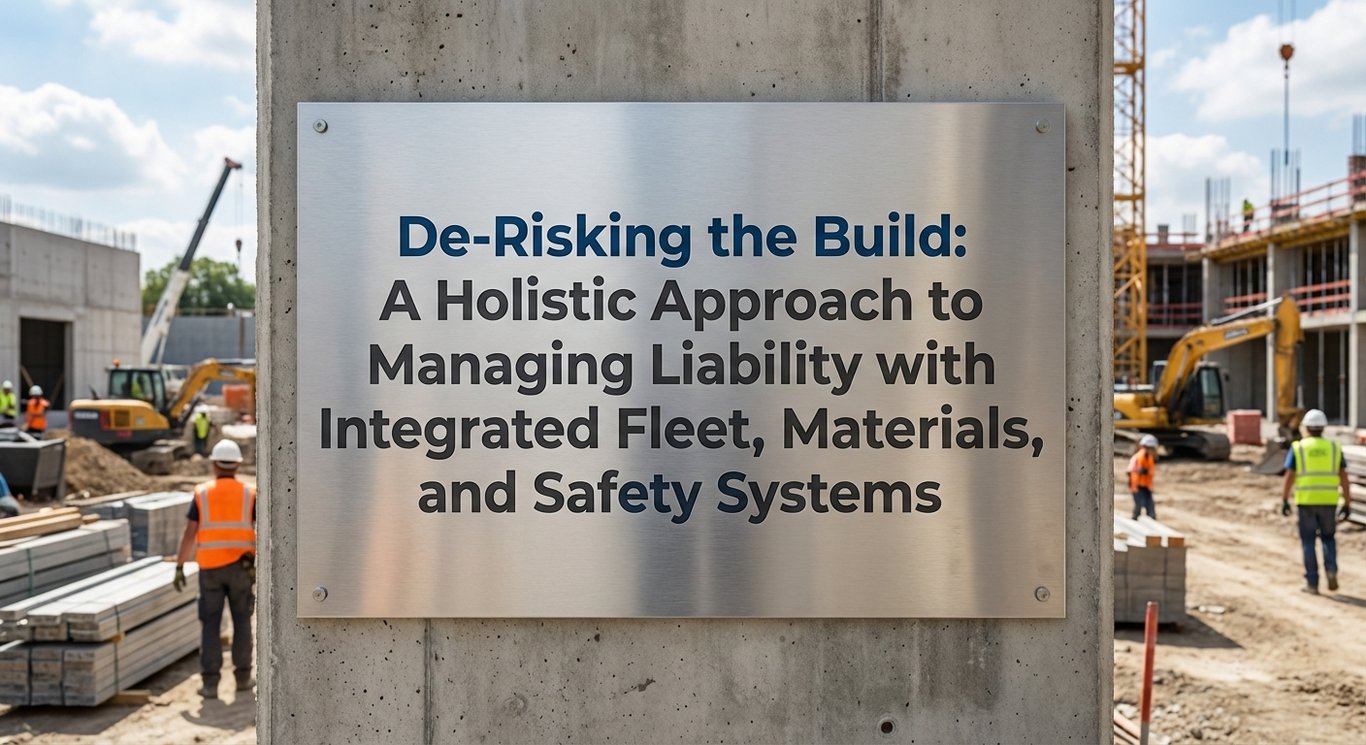
To truly protect a project, companies are adopting a holistic approach that seamlessly integrates fleet management, materials selection, and safety systems. By connecting vehicles, heavy equipment, building supplies, and worker protection into one unified strategy, managers can oversee liability from every possible angle. This interconnected web ensures that a delay in material delivery or a broken-down bulldozer doesn’t trigger a dangerous domino effect. Moving forward, this comprehensive view is becoming the gold standard for managing complex construction liabilities.
The benefits of this proactive mindset go far beyond simply avoiding accidents; they directly impact the bottom line and project success 📈. Industry practices show that effective de-risking leads to massive cost savings, strict adherence to timelines, and a sharp drop in legal exposures. When risks are managed well, insurance premiums often decrease, and stakeholders remain happy with the steady progress. Consequently, embracing a holistic risk management strategy is one of the best investments a construction firm can make.
The Role of Integrated Fleet Management in Liability Reduction
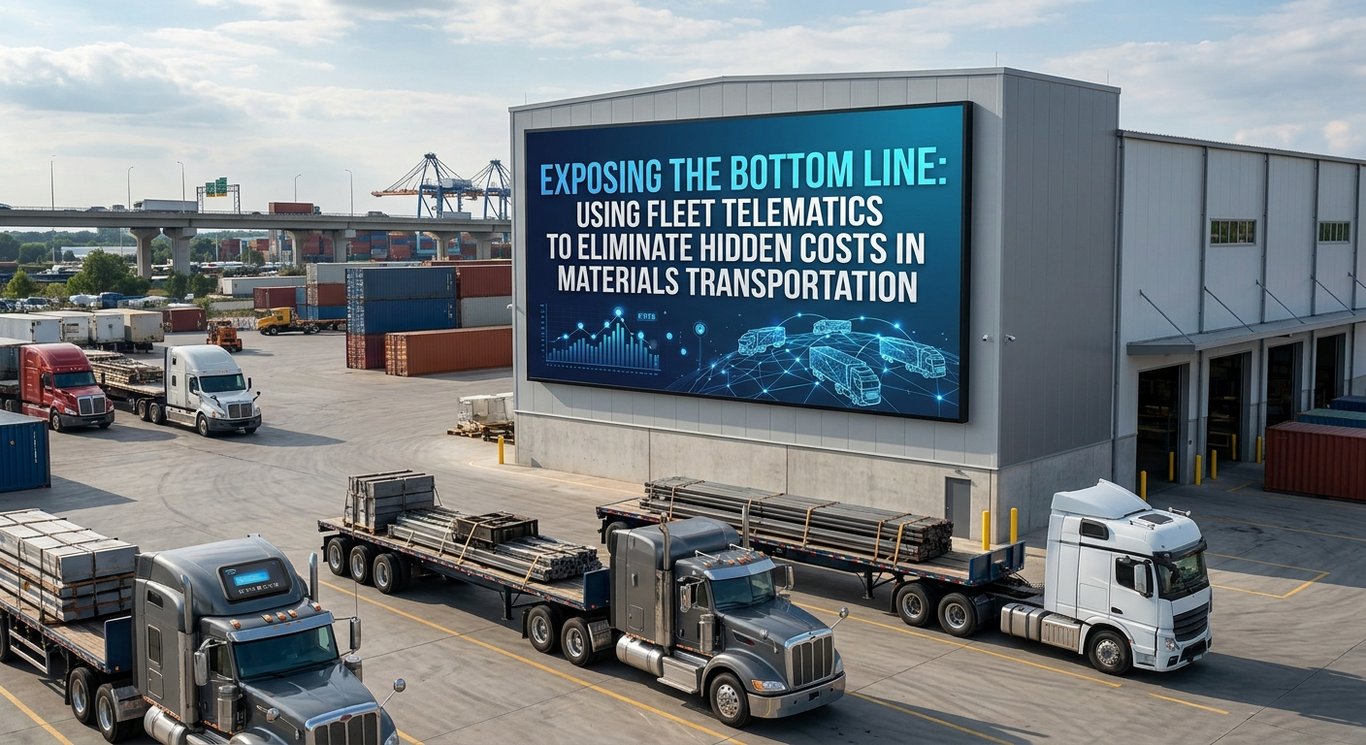
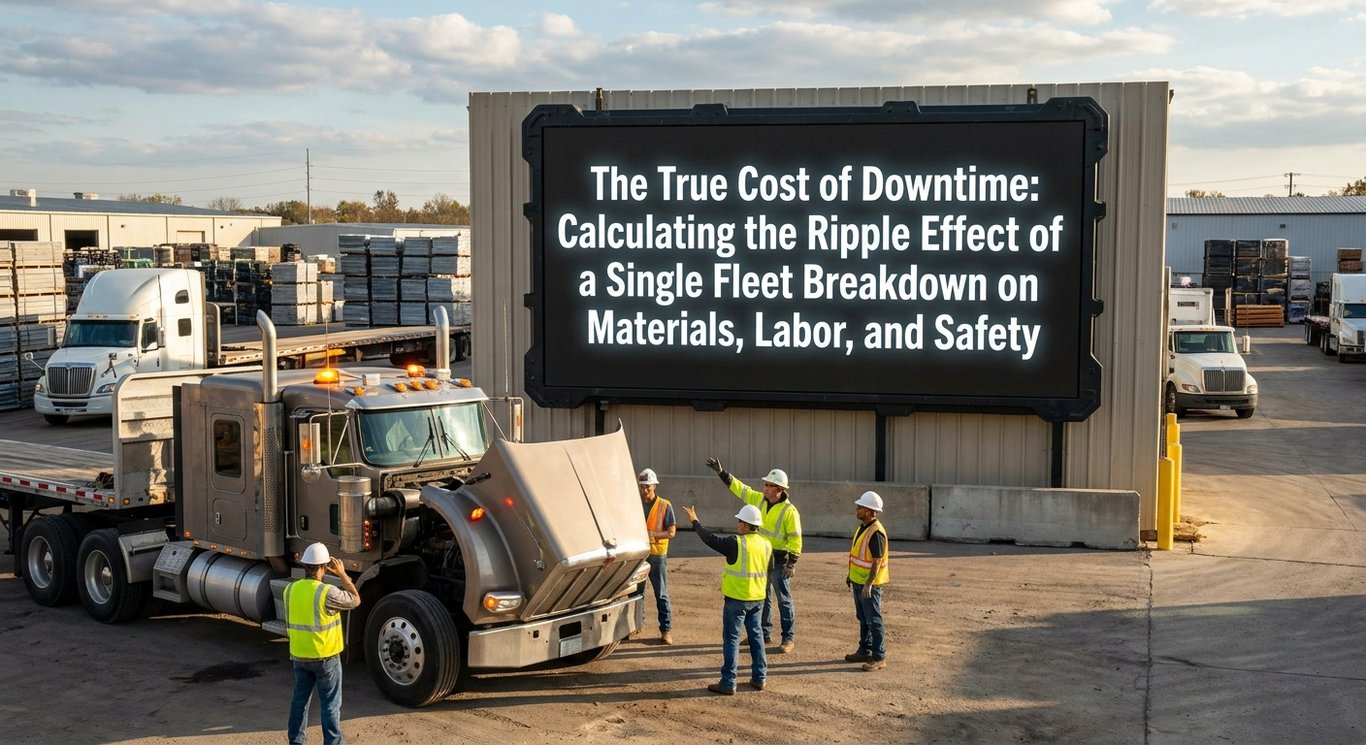
Keeping a close eye on construction fleets is a powerful way to prevent costly accidents and frustrating downtime. When project managers actively track and maintain their vehicles and heavy equipment, they drastically reduce the chances of mechanical failures that could lead to severe injuries or property damage 🚜. This diligent upkeep directly links to fewer liability insurance claims, saving companies from massive financial headaches. By ensuring every truck and crane is in top working order, teams keep the project moving smoothly and safely.
Furthermore, tying fleet management into broader safety systems unlocks the power of real-time monitoring and predictive maintenance. Digital sensors can alert mechanics that a machine needs servicing long before it actually breaks down on the site. This seamless integration means that safety managers can instantly see if a driver is operating equipment unsafely, allowing for immediate correction. As a result, blending fleet data with safety protocols creates a protective shield over the entire construction site.
Optimizing Materials Selection and Supply Chain for Risk Mitigation
Choosing the right building materials is the first critical step in avoiding disastrous installation failures and costly project delays. When builders select compatible, high-quality materials right from the start, they significantly lower the risk of structural issues popping up later down the road 🧱. Cutting corners with cheap supplies might save a few dollars upfront, but it often leads to massive liability when those materials fail under pressure. Therefore, prioritizing quality over quick savings is a foundational rule of de-risking.
To further reduce the risk of material incompatibility, many smart project managers are turning to single-source solutions. Buying interconnected systems from a single trusted manufacturer ensures that all the parts are specifically designed to work perfectly together. This strategy eliminates the guesswork and finger-pointing that happens when different brands of materials clash during installation. Ultimately, single-source procurement streamlines the build and keeps liability risks to an absolute minimum.
Beyond selecting the right products, managing the supply chain is vital to keep the project on schedule. By diversifying suppliers and using digital inventory tracking, construction teams can easily prevent sudden material shortages that bring work to a grinding halt 📦. If one supplier faces a delay, having a backup plan ensures the crew keeps working without missing a beat. In the end, a resilient and well-tracked supply chain is a major key to mitigating project risks.
“Leveraging technology and automation can significantly enhance efficiency and reduce human error in critical operations.” -JSMorlu
Implementing Robust Safety Systems Across the Build
A safe job site starts with clear protocols, rigorous training, and the smart use of personal protective equipment (PPE) paired with digital monitoring tools. Today’s safety gear goes beyond hard hats; workers are now equipped with wearable tech that tracks their environment for hazards like extreme heat or toxic gases 🦺. When these modern tools are combined with thorough, easy-to-understand training, workers are empowered to take charge of their own safety. This proactive approach ensures that everyone goes home safe at the end of the day.
Moreover, these advanced safety systems don’t operate in a vacuum; they interface directly with fleet and material operations for complete, holistic oversight. For example, a worker’s wearable device can signal a nearby forklift to automatically slow down, preventing a potential collision. By linking worker safety data with equipment and material handling, managers get a bird’s-eye view of the entire site’s risk profile. This interconnected safety net is essential for truly de-risking any modern construction build.
Building a Comprehensive Risk Assessment Framework
Creating a solid risk assessment framework begins in the earliest stages of a project by identifying potential hazards using historical data and stakeholder input. By looking back at past projects, teams can easily spot patterns and anticipate where things might go wrong this time around 📋. Bringing in voices from all sides-from architects to the folks pouring the concrete-ensures that no hidden danger is overlooked. This collaborative brainstorming sets the stage for a highly prepared and resilient project team.
[cta-call:Call2]
Once the risks are identified, the next step is creating a detailed risk register to categorize them by their potential impact and likelihood. This organized document helps managers prioritize their focus, ensuring they tackle the most dangerous and probable threats first. For instance, a high-impact, high-likelihood risk like severe weather delays will require a much stronger backup plan than a minor, unlikely material swap. Having this clear, categorized list keeps the entire team focused and ready to respond.
However, a risk register is not a set-it-and-forget-it document; it requires recurring assessments at every major project milestone. As the build progresses from the foundation to the roof, new risks naturally emerge while old ones fade away. Regularly updating the risk framework ensures that the team’s protective strategies evolve right alongside the building itself. Consequently, continuous evaluation is the secret to keeping liability at bay from groundbreaking to the final inspection.
“Overall, IPD seeks to reduce waste, increase efficiency, and maximize value to the owner by identifying problems early and minimizing the need for costly changes during construction.” -Hinckley Allen
Technology’s Impact on Integrated De-Risking Systems
Modern technology has completely revolutionized how we handle risk, especially through tools like Building Information Modeling (BIM), the Internet of Things (IoT), and digital platforms. These incredible innovations allow managers to track fleets, materials, and safety metrics in real-time, all from a single dashboard 💻. Instead of waiting for end-of-day reports, supervisors can instantly see if a delivery is late or if a piece of equipment is overheating. This immediate access to data is a game-changer for stopping risks in their tracks.
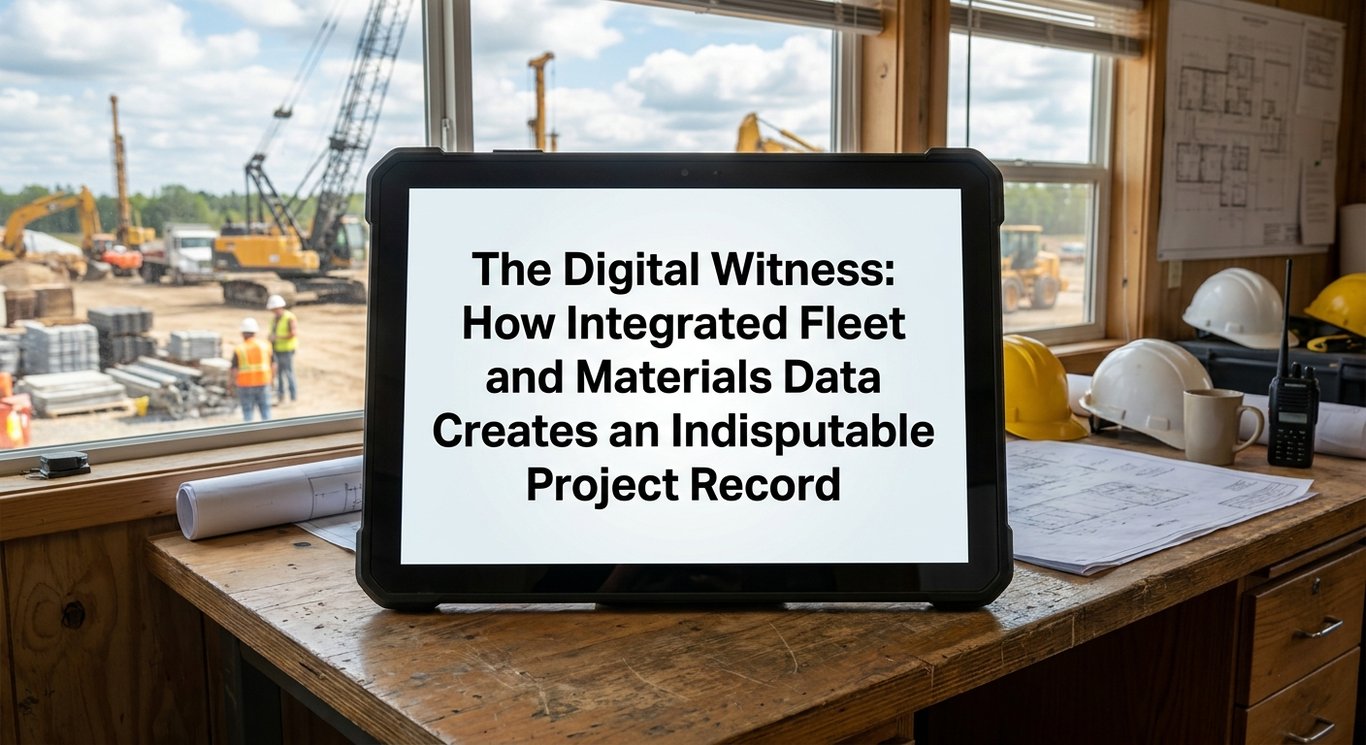
Additionally, these digital platforms serve as powerful collaborative tools that bring cross-functional teams together while ensuring strict insurance compliance. When the safety officer, the fleet manager, and the financial director all look at the same updated data, miscommunications practically disappear. Furthermore, having a digital paper trail of all safety checks and maintenance logs makes proving compliance to insurance companies a breeze. Ultimately, technology bridges the gap between different departments, making holistic de-risking a reality.
Team Governance and Stakeholder Collaboration
Strong team governance starts with creating a unique, tailored management plan that includes all parties right from the project’s outset. When everyone-from the property owner to the subcontractors-understands their specific role in the de-risking strategy, the project runs like a well-oiled machine 🤝. Setting these expectations early prevents confusion and ensures that everyone is pulling in the same direction. A unified team is always the best defense against unexpected project hurdles.
A crucial part of this governance is the smart allocation of risk to the parties most capable of handling it, usually done through standardized contracts. It makes sense to assign the risk of material defects to the supplier, while the general contractor takes on the risk of daily site safety. When contracts clearly define who is responsible for what, it stops the blame game before it even starts. This fair and logical distribution of liability keeps the project moving forward without legal bottlenecks.
To make this governance work, leaders must actively promote open communication to break down the traditional silos that divide construction teams. Encouraging a culture where a frontline worker feels comfortable reporting a hazard to upper management is absolutely vital for success. When information flows freely across all levels of the project, risks are spotted and solved incredibly fast. In the end, transparent collaboration is the glue that holds a de-risked project together.
“Every construction project involves significant financial risks which contractors need to mitigate through sound de-risking measures.” -4castplus
Financial De-Risking: Cash Flow and Cost Management
Financial de-risking is anchored in highly accurate costing that carefully accounts for all exclusions and builds in healthy contingency buffers. A project budget that only plans for best-case scenarios is a massive liability waiting to explode 💰. By realistically estimating costs and setting aside emergency funds for unforeseen issues, project managers protect the financial health of the build. This careful financial planning ensures that a sudden spike in material prices won’t bankrupt the entire operation.
Beyond the initial budget, continuously tracking cash flow is essential, and utilizing Public-Private Partnerships (PPPs) can be a lifesaver for massive infrastructure projects. Keeping a close eye on the money coming in and going out prevents work stoppages caused by unpaid subcontractors. For larger builds, PPPs help share the heavy financial burden between government entities and private companies, drastically lowering the risk for everyone involved. Together, vigilant cash management and smart funding structures keep the project financially secure.
Case Studies: Successful Holistic De-Risking Implementations
Looking at real-world examples, a recent major highway infrastructure project perfectly showcased the power of using integrated systems for risk reduction. The project team connected their heavy machinery GPS trackers, material delivery schedules, and worker safety wearables into one central command center 🌉. This setup allowed them to orchestrate the chaotic site with incredible precision, avoiding the usual pitfalls of large-scale roadwork. It stands as a shining example of holistic de-risking in action.
The outcomes of this integrated approach were nothing short of spectacular, resulting in massive liability savings and an impressive on-time delivery. Because they caught mechanical issues early and prevented site accidents, their insurance claims were practically nonexistent. Furthermore, the streamlined supply chain meant workers never had to stand around waiting for asphalt or concrete. Ultimately, the project proved that spending time on proactive risk management pays off handsomely.
There are valuable lessons to be drawn from this success regarding the integration of fleet, materials, and safety. The biggest takeaway is that these three elements cannot be managed in isolation if you want to truly eliminate risk. When the fleet communicates with the supply chain, and safety protocols oversee them both, the entire project becomes a fortress against liability. Moving forward, this integrated model should be the blueprint for any major construction endeavor.
“A strategic risk advisory process talks through looking at the various contracts and exposures, designing a suitable program and providing advice in the contractual risk allocation,” -Aon
Common Challenges and Solutions in De-Risking
Despite the clear benefits, implementing a de-risking strategy comes with challenges like departmental silos, unforeseen environmental risks, and stubborn resistance to new technology. Often, veteran workers are hesitant to wear tracking devices or use tablets, preferring the old pen-and-paper methods 🚧. Additionally, departments like procurement and safety sometimes fail to share vital information, creating dangerous blind spots. These hurdles can make getting a holistic risk management plan off the ground feel like an uphill battle.
Fortunately, there are highly practical solutions to overcome these roadblocks, starting with comprehensive training and flexible planning. By taking the time to show workers exactly how new technology makes their jobs easier and safer, managers can quickly win their team’s support. Furthermore, building flexibility into the project schedule allows the team to pivot smoothly when unforeseen risks, like a sudden storm, actually hit. With patience and clear communication, these common challenges are easily conquered.
Measuring Success: KPIs for De-Risked Builds
To know if a de-risking strategy is actually working, project managers must track key performance indicators (KPIs) such as incident rates, delay percentages, and cost overruns. If the number of safety incidents drops and the project stays within its budget, the risk management plan is clearly doing its job 📈. Tracking the percentage of delays caused by material shortages or equipment failure also provides a clear picture of supply chain and fleet health. These hard numbers take the guesswork out of evaluating project success.
However, simply collecting these metrics isn’t enough; the real magic happens through ongoing monitoring and making adjustments based on that data. If the KPIs show a slight uptick in fleet breakdowns, the manager can instantly tweak the maintenance schedule before it becomes a major crisis. This continuous loop of measuring, analyzing, and adjusting keeps the project constantly optimized. Ultimately, data-driven decision-making is the heartbeat of a successfully de-risked build.
Future Trends in Holistic Liability Management
Looking ahead, the future of holistic liability management will be heavily driven by AI-powered predictive analytics and advanced robotics. Artificial intelligence will soon be able to analyze decades of construction data in seconds to predict exactly when and where a safety incident is most likely to occur 🚀. Meanwhile, automated drones and robots will take over the most dangerous tasks, removing human workers from high-risk situations entirely. These futuristic tools will elevate proactive de-risking to a level we’ve never seen before.
Another major trend on the horizon is the deep integration of sustainability into everyday de-risking strategies. As environmental regulations become stricter, failing to meet green building standards will become a massive financial and legal liability. Project managers will increasingly need to track the carbon footprint of their fleets and the eco-friendliness of their materials to avoid heavy fines. Consequently, building green and building safe will soon become one and the same in the construction industry.
FAQ
What is de-risking in construction?
De-risking in construction is a proactive strategy focused on identifying, assessing, and mitigating potential hazards before they negatively impact a project. Instead of simply reacting to accidents, delays, or budget overruns, teams use careful planning and data to anticipate issues. This approach covers everything from worker safety to financial planning, ensuring a smoother, safer, and more profitable build.
How does integrating fleet management reduce liability?
Integrating fleet management reduces liability by ensuring all vehicles and heavy machinery are closely tracked and properly maintained. When equipment is kept in top condition through predictive maintenance, the risk of mechanical failures that cause accidents or property damage drops significantly. This proactive upkeep leads to fewer insurance claims and a much safer environment for the crew.
Why choose single-source materials for projects?
Choosing single-source materials means buying interconnected building systems from one trusted manufacturer, which guarantees that all the parts are designed to fit and work together perfectly. This eliminates the risk of material incompatibility, which can cause severe structural failures and costly delays. Ultimately, it streamlines the installation process and greatly reduces long-term liability.
What role does technology play in safety systems?
Technology acts as the eyes and ears of modern safety systems, utilizing tools like wearable sensors, IoT devices, and real-time data dashboards. These digital tools monitor the environment for hazards and track worker movements to prevent accidents before they happen. By providing instant alerts and a clear digital paper trail, technology makes job sites incredibly safe and compliant.
How to start a risk assessment framework?
Starting a risk assessment framework begins with gathering historical project data and collaborating with all stakeholders to brainstorm potential hazards. Once the risks are identified, they are recorded in a risk register and categorized by how likely they are to happen and how severe their impact would be. From there, the team creates targeted mitigation strategies and reviews the framework regularly as the project progresses.
Conclusion
In conclusion, adopting a holistic approach that integrates fleet, materials, and safety systems is the ultimate way to de-risk builds and manage liability effectively. By stepping away from reactive problem-solving and embracing proactive, interconnected strategies, construction firms can protect their workers, their timelines, and their budgets. When vehicles communicate with supply chains and safety protocols oversee it all, the entire project is shielded from unexpected disasters. Ultimately, this comprehensive mindset is absolutely essential for achieving lasting success in today’s complex construction landscape.
To ensure your next build goes off without a hitch, remember these **key takeaways**: prioritize early risk identification, heavily adopt digital tracking technology, foster open stakeholder collaboration, and maintain highly accurate financial planning. Bringing all these elements together will transform how you handle job site hazards. Implement “De-Risking the Build: A Holistic Approach to Managing Liability with Integrated Fleet, Materials, and Safety Systems” in your next project by conducting an initial risk audit and exploring integrated tech solutions today.