Introduction to Chain of Custody in Safety Management
At its core, the chain of custody is a systematic tracking method that follows materials from their initial fleet sourcing all the way through production, shipping, and final placement. This rigorous process guarantees that every single item is accounted for at all times. By keeping a close eye on every step, companies can ensure top-notch safety and prevent disastrous accidents before they happen. 🚚
This unbroken tracking is especially crucial in fleet operations, where everyday materials like vehicle parts or heavy construction supplies must maintain total integrity to avoid severe hazards. If a critical brake component or a structural beam is compromised during transit, the results can be deadly. Consequently, keeping these materials safe from damage or tampering is the absolute first line of defense against workplace dangers.
In this article, we will explore exactly how unbroken tracking mitigates severe risks in high-stakes environments. We will walk through the entire journey of a material, from the moment it enters the fleet to the second it is installed on a site. Ultimately, you will discover why a solid chain of custody is the ultimate shield against preventable accidents. 🛡️
What is Chain of Custody?
The chain of custody is essentially the detailed process of documenting a product’s entire movement from raw materials to its final destination. It creates a transparent history that includes the item’s origin, every transfer of ownership, and all handling procedures along the way. Therefore, every single handoff is recorded to create an unbroken, verifiable timeline of the item’s lifecycle. 📋
When it comes to safety-critical materials, this concept shines brilliantly in fleet-to-placement tracking. It ensures that the exact high-quality parts ordered are the exact ones that arrive and get installed, without any dangerous substitutions. As a result, managers can rest easy knowing that every component used in the field is exactly what it claims to be.
Why Chain of Custody Matters for Safety in Fleet Operations
Tracking materials closely ensures strict compliance with industry regulations and maintains high quality control in fleet material handling. Regulatory bodies demand proof that safety standards are met, and a documented trail provides exactly that evidence. This means that companies not only stay on the right side of the law, but they also guarantee their materials are genuinely safe for use. ⚖️
Furthermore, a strong chain of custody is a powerhouse for risk mitigation because it identifies vulnerabilities early on. If a batch of parts is exposed to extreme temperatures or dropped during loading, the tracking system flags the issue immediately. By catching these weak points in advance, teams can proactively prevent accidents before they ever have a chance to happen.
Traceability is another massive benefit, allowing for lightning-fast responses to unexpected issues like product recalls or supply chain disruptions. If a manufacturer announces a defect, fleet managers can use their records to instantly locate and isolate the bad parts. Ultimately, this rapid accountability ensures that faulty materials are pulled from the fleet long before they can cause harm. 🚨
The Stages of Chain of Custody: From Fleet to Final Placement
Fleet Sourcing and Initial Acquisition
The journey begins with meticulously recording material origins and logging initial custody transfers during fleet intake. When a shipment arrives, workers must verify the supplier, check the condition of the goods, and log the exact time of receipt. This crucial first step sets a solid foundation for a transparent and secure supply chain. 📦
“A seamless chain of custody ensures goods are accounted for at every handoff, ensuring absolutely no unauthorized access while maintaining chain integrity, security, and visibility across the entire supply chain.” -Trackonomy
Proper documentation at this stage is vital for verifying authenticity and ensuring all safety standards are met from day one. By checking certificates of origin and quality assurance tags, fleets avoid accepting counterfeit or substandard parts. Consequently, starting with genuine, high-quality materials drastically lowers the risk of future mechanical failures.
Production and Processing
As materials move into production and processing, constant monitoring is required to prevent any dangerous contamination or errors. Whether parts are being assembled into a larger engine or treated with protective coatings, every action must be logged. Keeping a watchful eye during manufacturing ensures that the product remains pure and safe for its intended use. 🏭
Additionally, strict handling procedures must be followed to maintain the physical integrity of the materials. Workers must use the correct tools and operate in safe environments to ensure nothing is accidentally weakened or damaged. By treating every component with care, workers guarantee that the materials will perform safely when they finally hit the road.
Shipping and Transportation
Once products hit the road, real-time tracking becomes essential during transit from the fleet to the job site. Modern logistics rely on GPS and live updates to monitor the exact location and status of moving freight. This visibility ensures that dispatchers know exactly where safety-critical materials are at any given moment. 🚛
During this phase, strict protocols for custody handoffs and environmental controls must be maintained. Drivers and receivers must sign off on deliveries, and temperature-sensitive goods must be monitored to prevent spoilage or warping. Ultimately, these careful transit measures prevent degradation and ensure materials arrive in perfect condition.
Final Placement and Installation
Upon arrival, thorough verification at deployment is necessary to ensure absolutely no tampering has occurred during the journey. Site managers must inspect seals, scan barcodes, and match the delivered items against the original digital records. This final check is a critical barrier that stops compromised materials from being installed on a project. 🏗️
“While Hazmat Logistics focuses on transporting hazardous substances safely, Chain of Custody ensures the integrity and traceability of sensitive items like evidence or samples.” -UNISCO
Even after installation, post-placement audits play a huge role in maintaining ongoing safety. Inspectors periodically review the installed materials and cross-reference them with the original chain of custody logs to ensure long-term stability. Through these continuous reviews, companies can confidently guarantee the long-term reliability of their projects.
Common Risks of Chain of Custody Breaks and Accident Prevention
A break in the chain of custody introduces severe risks like physical damage, outright theft, or missed deadlines that lead to the use of unsafe materials. When an item goes unmonitored, it might be dropped, swapped with a cheap knockoff, or left out in damaging weather. Without a clear record, it is dangerously easy for compromised parts to slip into the workflow unnoticed. ⚠️
[cta-call:Call2]
Unfortunately, these tracking breaks are directly linked to catastrophic accidents, such as faulty parts in fleet vehicles causing terrible crashes. If a mechanic unknowingly installs a brake pad that was damaged during an unrecorded transit mishap, the driver’s life is at risk. When accountability is lost, the physical safety of drivers and operators is put in immediate jeopardy.
Thankfully, consistent tracking prevents these nightmares by enabling early intervention at the first sign of trouble. If a sensor alerts a manager that a pallet was dropped, that pallet can be inspected and discarded before it ever reaches an assembly line. By spotting and isolating damaged goods immediately, a solid chain of custody effectively stops accidents in their tracks. 🛑
Technologies Enabling Effective Chain of Custody Tracking
Today, cutting-edge technologies like RFID tags, IoT sensors, and barcode systems are revolutionizing real-time monitoring. These tiny devices can be attached to individual parts or large shipping containers, broadcasting their location and status instantly. These digital tools make it incredibly easy to follow a material’s exact journey without relying on clunky, error-prone paperwork. 📱
Beyond simple tracking, automation, predictive analytics, and digital signatures ensure absolute accuracy in custody records. Smart software can predict when a shipment might be delayed and automatically log digital signatures when a handoff occurs. As a result, human error is practically eliminated, leaving a flawless trail of accountability.
“Modern chain of custody systems like Collective Data integrate barcode and RFID technology to track assets from issuance to return. RFID scanners allow for real-time, hands-free tracking, while barcode technology provides a cost-effective option for smaller inventories or individual items.” -Collective Data
Finally, integrating these technologies directly into fleet management software provides true end-to-end visibility. A dispatcher can look at a single dashboard and see a part’s journey from the manufacturer’s warehouse straight to the mechanic’s garage. This seamless integration empowers managers to oversee the entire lifecycle of their materials from a single, convenient screen. 💻
Best Practices for Implementing Chain of Custody Protocols
To succeed, organizations must outline clear Standard Operating Procedures (SOPs), train personnel thoroughly, and set strict documentation standards. Everyone from the forklift driver to the site manager needs to understand how to scan, log, and report on materials. When every team member knows exactly how to handle and log materials, the entire system runs like a well-oiled machine. ⚙️
Moreover, regular auditing, routine compliance checks, and tight access controls are essential for keeping the system secure. Companies should restrict who can handle high-risk items and frequently test their tracking systems to ensure they are working correctly. These proactive measures ensure that only authorized individuals handle sensitive materials, drastically reducing the chance of tampering.
Above all, we must stress the vital role of accurate timestamps and continuous record-keeping in any safety protocol. A log is only useful if it provides a perfectly accurate chronological history of an item’s whereabouts. By maintaining a perfect, minute-by-minute history, companies build an unbreakable chain of custody that truly protects their workers. ⏱️
Chain of Custody Models for Safety Assurance
There are several chain of custody models to consider, including identity preservation, segregation, mass balance, and book and claim. Identity preservation tracks a specific item perfectly, while mass balance allows for some mixing of materials as long as the overall quantities match up. Each of these models offers varying levels of traceability depending on the specific needs of the supply chain. 📊
For high-risk fleet materials, however, we highly recommend using the strictest models, like identity preservation, to prevent accidents. When dealing with critical vehicle parts or structural supports, you need to know exactly where that specific piece came from. By isolating and tracking specific components perfectly, organizations can guarantee the highest level of safety assurance.
“Whether it’s air cargo security or food safety traceability, compliance comes down to one thing: proving who had what, when, and where. Without it, audits fail, recalls widen, and trust erodes.” -Renaissant
Legal and Compliance Aspects in Safety Tracking
Navigating regulatory requirements is much easier when meticulous records are kept to demonstrate corporate due diligence. Government agencies and safety boards require proof that a company took every possible step to ensure a safe working environment. A well-documented chain of custody proves to inspectors and regulators that safety was prioritized at every step. 🏛️
Furthermore, maintaining these verifiable trails significantly reduces legal liability in the event of an unforeseen incident. If an accident does happen, a company can use its tracking logs to prove that they handled the materials correctly and that the fault lies elsewhere. Ultimately, having hard evidence of proper handling protects both the company’s reputation and its bottom line.
Case Studies: Preventing Accidents Through Chain of Custody
Consider a recent fleet maintenance case where rigorous tracking successfully prevented the usage of a highly defective engine part. A mechanic scanned a replacement part, and the system immediately flagged it as part of a recalled batch that had slipped into the warehouse. Because the system flagged the part’s compromised history, mechanics avoided an installation that could have caused a highway disaster. 🚐
In another powerful example, a major construction placement project avoided severe site accidents by verifying steel beams before installation. IoT sensors attached to the beams recorded that they had been exposed to corrosive chemicals during a shipping delay. The chain of custody records revealed this dangerous exposure, allowing the team to reject the unsafe materials before they were built into the structure.
Analyzing these real-world outcomes clearly shows a dramatic reduction in workplace incidents and unexpected costs. Companies that invest in tracking see fewer breakdowns, fewer injuries, and much lower insurance premiums. These success stories prove that investing in proper tracking is one of the smartest safety decisions a company can make. 📈
FAQ
What is the chain of custody in the context of fleet material safety?
The systematic documentation tracking materials from fleet acquisition to final placement to ensure integrity and prevent accidents.
Why is tracking from fleet to final placement critical for accident prevention?
It identifies issues early, ensures compliance, and maintains accountability, reducing risks like equipment failure.
What technologies are used for chain of custody in safety management?
RFID, IoT, barcodes, and digital systems provide real-time visibility and automation.
What are the consequences of a broken chain of custody?
Potential accidents from damaged or tampered materials, legal liabilities, and operational disruptions.
How can companies start implementing chain of custody for safety?
Develop SOPs, train staff, adopt tracking tech, and conduct regular audits.
Conclusion
In summary, maintaining a strict chain of custody from fleet to final placement is essential for safeguarding against accidents by ensuring total material integrity. By documenting every single transfer and monitoring conditions during transit, companies eliminate the blind spots where damage and tampering occur. When every part is accounted for, the risk of catastrophic failure plummets dramatically. 🔒
The key takeaways are clear: unbroken tracking enhances regulatory compliance, mitigates serious risks, leverages modern technology, and builds a culture of accountability. These systems transform a chaotic supply chain into a streamlined, transparent process that benefits everyone involved. Ultimately, these combined benefits do more than just streamline operations; they actively save lives and reduce costs.
We must stress that this level of tracking plays a non-negotiable role in industries like fleet management and construction, where safety is absolutely paramount. A single faulty part can lead to devastating consequences, making rigorous documentation an absolute necessity rather than an optional upgrade. In these high-stakes environments, there is simply no room for guesswork when it comes to material safety. 🏗️
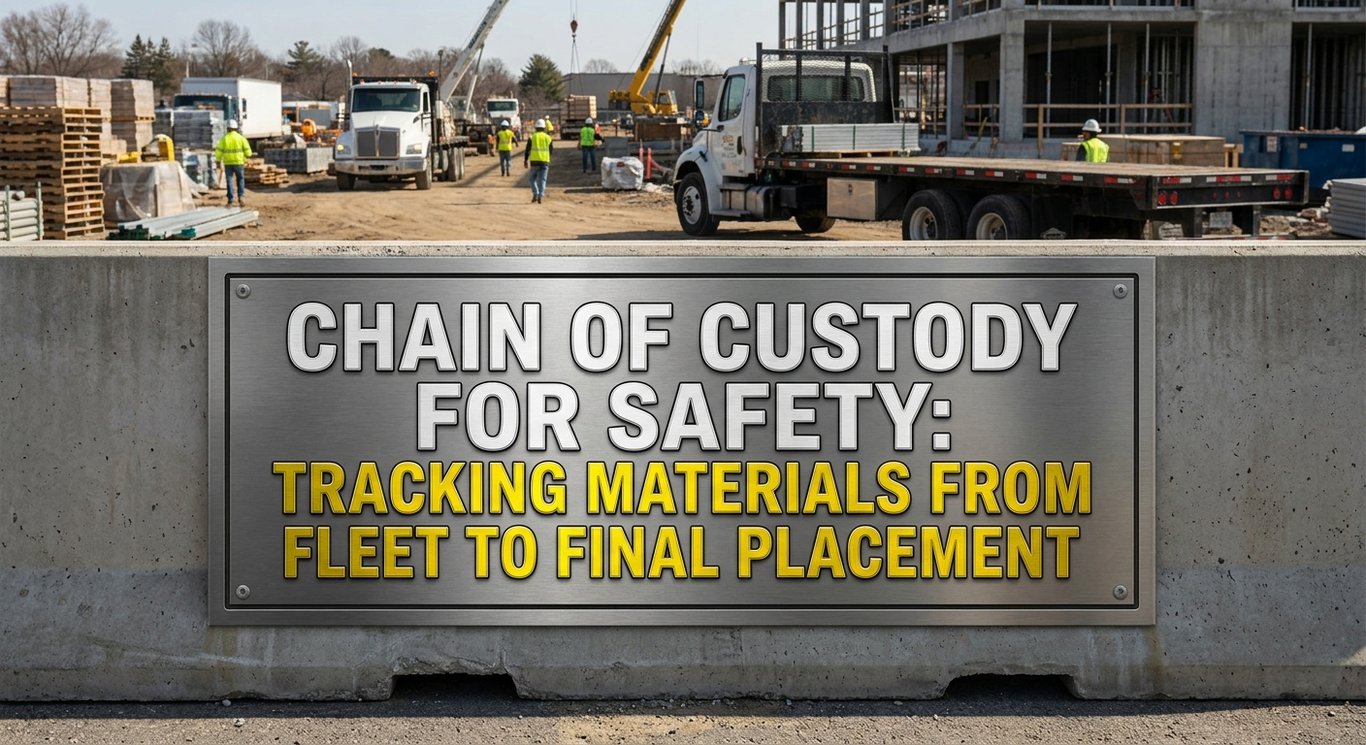
Implement robust chain of custody protocols today for “The Chain of Custody for Safety: How Tracking Materials from Fleet to Final Placement Prevents Accidents” by auditing your current processes, investing in tracking technologies, and training your team to prioritize safety every step of the way. Taking these steps now will ensure that your operations run smoothly and your workers return home safely every single day. By auditing your current processes, investing in advanced tracking technologies, and training your team, you can prioritize safety every step of the way and protect your most valuable assets. ✨