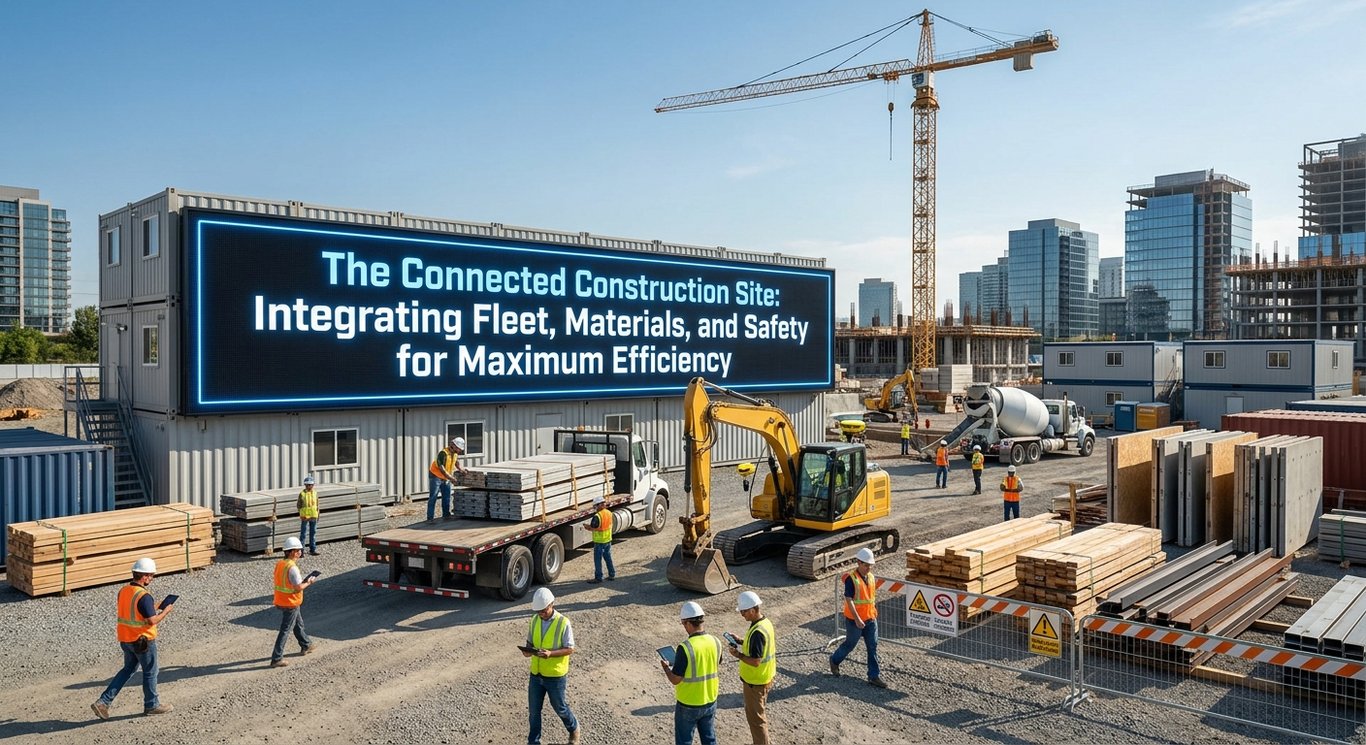

Introduction to Fleet and Asset Security Challenges
Every year, businesses lose massive amounts of money due to fleet inefficiency, equipment damage, and poor asset management. 📉 It is no secret that managing a modern fleet comes with serious financial risks, especially when preventable accidents, surprise breakdowns, and operational hiccups happen daily. Without a solid plan to protect materials and equipment, companies are basically leaving their hard-earned profits sitting out in the open. Ultimately, these unchecked vulnerabilities can quickly drain a company’s budget and ruin its hard-earned reputation.
To stop this financial bleeding, companies must bridge the gap between their security challenges and the need for real-time visibility. 🔍 When fleet managers can actually see what is happening out on the road or at a job site, they can make smart, data-driven decisions that stop problems before they start. By upgrading from guesswork to real-time tracking, businesses can finally take control of their operations and keep their valuable assets safe.
Understanding the Billion-Dollar Problem in Fleet Operations
The true cost of fleet mismanagement adds up incredibly fast, creating a billion-dollar problem across the industry. 💸 Between unexpected vehicle breakdowns, poorly planned routes, wasted fuel, and outright theft, the financial impact is absolutely staggering. In fact, industry experts estimate that billions of dollars are lost globally each year simply because companies cannot keep a close eye on their moving parts. As these hidden costs pile up, they silently eat away at profit margins and stunt business growth.
Unfortunately, traditional fleet management methods just do not cut it anymore when trying to solve these expensive issues. 📋 Relying on paper logs, manual check-ins, and basic GPS dots on a map fails to give managers the real-time insights they desperately need. Because these old-school approaches only show what happened in the past, they leave fleets completely exposed to ongoing risks and costly future mistakes.
What Is Fleet and Asset Telematics?
Fleet and asset telematics is a powerful technology that combines wireless connectivity, smart sensors, and cloud analytics to give you a clear picture of what your vehicles are doing. 📡 By plugging these high-tech devices into your equipment, you can instantly collect crucial data like vehicle motion, environmental conditions, engine health, and daily operational patterns. Instead of guessing how your trucks are performing, telematics hands you the exact facts on a silver platter. This constant stream of rich data is the secret weapon for running a tighter, more profitable ship.
Furthermore, these telematics systems act as an all-in-one command center for monitoring your entire fleet, no matter how spread out your assets are. 🌍 Whether you have trucks crossing the country or heavy machinery parked at multiple job sites, the software brings everything together onto a single screen. This incredible level of integration allows fleet managers to oversee complex operations smoothly, ensuring nothing gets lost in the shuffle.
Route Optimization and Fuel Efficiency
One of the biggest perks of telematics is its ability to analyze traffic patterns, road conditions, and driver habits to pinpoint exactly where time and money are being wasted. 🗺️ By using this data to create smarter, faster routes, companies can drastically cut down on the amount of fuel their vehicles guzzle every day. Not only does this route optimization save cash at the gas pump, but it also reduces the daily wear and tear on your expensive vehicles. Consequently, your trucks spend less time stuck in traffic and more time getting the job done.
“There’s a one-billion-dollar blind spot in fleet operations – and it’s not vehicles. Across industries like construction, delivery, and landscaping, small equipment and tools often don’t receive the same tracking and maintenance attention as larger fleet assets.” -Simply Fleet
The results of this technology speak for themselves, with many organizations seeing massive improvements in their daily efficiency metrics. ⏱️ For instance, fleets that adopt smart routing often report double-digit reductions in their overall journey times, getting drivers home faster and safer. Alongside these quicker trips, companies enjoy huge fuel cost savings that immediately boost their bottom line. Ultimately, turning data into better driving directions is a surefire way to maximize your fleet’s potential.
Predictive Maintenance and Asset Longevity
Telematics completely changes the game by constantly monitoring engine health and sending early alerts before minor hiccups turn into major breakdowns. 🛠️ This approach is known as predictive maintenance, which is a massive upgrade from the old, stressful method of reactive repairs where you only fix things after they break. By catching a failing battery or a strange engine code early, you can schedule a quick fix instead of dealing with a blown engine on the highway. Shifting from a reactive to a predictive mindset is the key to keeping your fleet running smoothly.
[cta-call:Call2]
The financial and operational benefits of staying ahead of repairs are truly game-changing for any business. 💰 Because you are fixing problems on your own schedule, you significantly reduce unplanned downtime that frustrates customers and leaves workers idle. Plus, keeping your equipment in tip-top shape naturally extends the lifespan of your assets, meaning you will not have to buy replacement vehicles nearly as often. In the end, proactive maintenance saves you a fortune while keeping your operations totally reliable.
Real-Time Monitoring and Asset Theft Prevention
When it comes to security, telematics offers incredible peace of mind by providing real-time location tracking for all your assets across various job sites. 📍 This continuous monitoring is a massive deterrent against loss and theft, as fleet managers get instant alerts the second a vehicle moves without permission or strays from its planned route. If a thief tries to drive off with a loaded trailer in the middle of the night, the system immediately sounds the alarm. Thanks to this constant watchfulness, companies can recover stolen goods faster or stop the theft before it even happens.
“To combat this, fleets are turning to: IoT-based sensors that detect fuel tampering, contamination, and abnormal activity, GPS-tagged theft alerts, sent the moment suspicious refueling behavior occurs.” -Zenduit
To make things even more secure, modern telematics systems use advanced IoT platforms to create invisible digital boundaries known as geofences. 🚧 If a piece of equipment leaves a geofenced zone, the system uses motion detection to alert the team right away. Additionally, environmental monitoring can track things like temperature and humidity to ensure sensitive materials are not ruined during transit. Together, these high-tech security features form an invisible shield around your most valuable equipment.
Driver Safety and Loss Prevention
Keeping drivers safe is a top priority, and telematics paired with personalized driver coaching is proven to reduce both the frequency and severity of crashes. 🛡️ The system carefully monitors driving behaviors in real-time, flagging dangerous habits like harsh braking, rapid acceleration, and speeding. By using this data to gently correct bad habits and reward safe driving, companies can create a much safer work environment for everyone on the road. Ultimately, better driving behavior directly leads to fewer accidents and a healthier workforce.
Beyond protecting human lives, prioritizing safety has an incredibly positive impact on a company’s financial health. 💵 When a fleet has fewer accidents, they naturally file fewer insurance claims, which often leads to significantly lower insurance premiums over time. Furthermore, having hard data to prove your drivers were operating safely can protect your business from expensive lawsuits and litigation risks. Investing in safety through telematics is truly a win-win for both your people and your profits.
Artificial Intelligence and Predictive Analytics
Artificial intelligence and machine learning are taking telematics to the next level by unlocking the power of advanced predictive analytics. 🤖 These AI-powered systems are incredibly smart, constantly comparing how a vehicle is performing today against years of historical data to spot hidden patterns. By crunching all these numbers, the software can accurately forecast future maintenance needs and highlight operational risks before they become real problems. This futuristic technology essentially gives fleet managers a crystal ball to look into the future of their operations.
“GPS tracking and telematics reduce the ‘turnaround time’ between rentals, identify unused ghost assets, and prove actual usage hours for accurate billing – all of which directly increase utilization metrics.” -Hapn
With AI seamlessly integrated into the dashboard, fleet managers can finally make confident, data-driven decisions about where to focus their energy. 📊 Instead of guessing which truck needs a tune-up first, the system automatically prioritizes maintenance tasks based on actual risk levels. This intelligent resource allocation ensures that mechanics are working on the right vehicles at the right time, maximizing efficiency across the entire fleet. Ultimately, AI transforms overwhelming amounts of raw data into clear, actionable steps for success.
Integration with Electric Vehicles and Future Technologies
As the transportation world goes green, telematics is quickly adapting to support the unique needs of modern electric vehicle (EV) fleets. ⚡ Managing EVs requires a totally different approach, and telematics systems step up by closely monitoring battery health, tracking energy usage, and optimizing daily charging schedules. By ensuring vehicles are charged during off-peak hours and have enough juice to finish their routes, the software eliminates the dreaded “range anxiety.” This seamless integration makes transitioning to an electric fleet smoother and much more cost-effective.
Looking ahead, the integration of telematics with emerging technologies is going to open up even more exciting opportunities for fleet managers. 🚀 We are already seeing the beginnings of connected smart cities, autonomous vehicles, and advanced drone deliveries, all of which will rely heavily on robust asset tracking. As these futuristic technologies continue to evolve, telematics will remain the central nervous system that keeps everything connected and running efficiently. Embracing these tools today perfectly positions a business to thrive in the high-tech landscape of tomorrow.
Implementation and ROI Considerations
Implementing a telematics solution might seem overwhelming, but breaking it down into a few key steps makes the process totally manageable. 📋 First, you need to carefully select a system that actually fits your specific business needs and goals. Next, you must work closely with your provider to ensure the new software integrates smoothly with your existing daily operations. Finally, providing thorough staff training is absolutely crucial so that your team feels confident and ready to use the new tools from day one.
“Eighty four percent of fleets cite driver exoneration as a key reason for deploying safety technology, according to the latest report from Teletrac Navman.” -Truck News
Once the system is up and running, tracking your Return on Investment (ROI) is the best way to prove the technology is working. 📈 You can easily measure success by keeping a close eye on specific metrics like monthly fuel savings, reductions in maintenance costs, and fewer hours lost to vehicle downtime. Additionally, tracking safety improvements and fewer accident claims will quickly show how much money the system is saving you. Watching these numbers improve month after month is incredibly rewarding for any business owner.
Of course, bringing in new technology often comes with a few growing pains and implementation challenges. 🤝 One of the biggest hurdles is change management, as drivers and staff might initially resist being tracked or learning a new system. To overcome this, it is vital to secure stakeholder buy-in early on by clearly explaining how the technology benefits everyone, such as keeping drivers safer and making their jobs easier. By fostering open communication and highlighting the positives, you can build a supportive culture that completely embraces the new system.
Case Studies and Real-World Applications
Real-world examples clearly show just how powerful telematics can be when put into action. 🏆 For example, many large delivery companies have completely transformed their operations by using smart routing to shave millions of miles off their annual routes, resulting in massive fuel savings. Similarly, construction firms have successfully used geofencing to virtually eliminate the theft of expensive heavy machinery from their job sites overnight. These tangible results prove that investing in asset tracking leads to serious, measurable success.
Beyond standard delivery trucks, telematics is solving unique challenges across a wide variety of different industries. 🏗️ In the healthcare sector, specialized tracking ensures that sensitive medical supplies are kept at the perfect temperature during transit. Meanwhile, in the agriculture industry, farmers use telematics to monitor the precise movements and fuel usage of their massive tractors during harvest season. No matter what sector you look at, customized tracking solutions are helping businesses overcome their specific operational hurdles.
“Fleets using AI-powered platforms have achieved up to a 13% reduction in fuel consumption – without changing a single vehicle.” -Zenduit
Challenges and Best Practices for Telematics Adoption
While the benefits are huge, companies must also navigate a few common challenges when adopting telematics, such as data privacy concerns and upfront costs. 🔒 Employees often worry about their privacy when being tracked, so it is important to establish clear, transparent policies about what data is collected and how it will be used. Additionally, integrating modern software with older, legacy systems can be tricky and sometimes expensive. However, by working with experienced IT professionals and focusing on the long-term savings, businesses can easily overcome these initial roadblocks.
To ensure a smooth and successful deployment, following a few industry best practices is highly recommended. ⭐ Start by setting crystal-clear objectives so you know exactly what problems you are trying to solve with the new technology. Next, take your time to select a reliable technology partner who offers excellent customer support and training. Most importantly, strive to create a data-driven organizational culture where everyone from the drivers to the executives values the insights provided by the system.
FAQ
What is the typical ROI timeline for implementing fleet telematics?
Most organizations start seeing real, measurable returns within the first 6 to 12 months. ⏳ You will quickly notice reduced fuel costs, lower maintenance bills, and a big drop in vehicle downtime. Ultimately, your total ROI will depend on the size of your fleet, your current inefficiencies, and how deeply you implement the system across your operations.
How does telematics improve asset security compared to traditional tracking methods?
Unlike old-school methods, telematics gives you real-time monitoring with instant, automated alerts for any unauthorized movement. 🚨 It also includes powerful geofencing capabilities and environmental tracking. This 24/7 continuous visibility stops loss and theft much more effectively than periodic manual checks or basic GPS dots on a map.
Can telematics systems work with existing fleet management software?
Yes, absolutely! 💻 Modern telematics solutions are specifically designed to integrate with your existing systems using APIs and flexible cloud-based platforms. However, since compatibility depends on your current software setup, working with an experienced tech integrator is the best way to ensure a perfectly seamless deployment.
What training do fleet managers need to effectively use telematics data?
To get the most out of the system, fleet managers need training on how to interpret data, navigate the digital dashboards, and respond to automated alerts. 🧠 They should also learn how to use predictive analytics to make smart, daily decisions. Thankfully, many telematics providers offer excellent onboarding and ongoing support to help your team build these crucial skills.
How does telematics support sustainability goals in fleet operations?
Telematics is a massive win for the environment! 🌿 By optimizing daily routes, slashing fuel consumption, and using predictive maintenance to keep vehicles running longer, the technology drastically cuts down on waste. Plus, it makes integrating electric vehicles a breeze, directly supporting your company’s green initiatives while saving you money.
Conclusion
At the end of the day, fleet and asset telematics is a truly transformative solution for companies looking to stop the billion-dollar drain of inefficiency, theft, and safety risks. 🌟 By offering real-time visibility and predictive analytics, these smart systems empower businesses to optimize their routes, make their equipment last longer, and drastically cut down on insurance costs. Furthermore, blending telematics with exciting new tech like artificial intelligence and electric vehicles perfectly positions forward-thinking companies to conquer today’s hurdles while gearing up for tomorrow’s big opportunities.
The evidence is crystal clear: businesses that embrace telematics enjoy massive returns on their investment through lower costs, better safety, and a stronger edge over the competition. 🏆 From local delivery vans to massive construction sites, organizations across every industry are already reaping the rewards of comprehensive asset monitoring. To protect your hard-earned assets and secure your spot at the top, the time to act is right now. By evaluating your current challenges and choosing a telematics setup that fits your unique needs, you can build a smarter, data-driven future. Remember, telematics delivers real ROI within a year, cuts surprise repairs by up to 30%, and uses AI to manage risks across your entire fleet. Do not let another year of operational waste drain your profits-make the smart move and invest in fleet telematics today!
Ready to stop the financial drain and take total control of your fleet? 🚀 Contact our team of telematics experts today to schedule a personalized demo and see exactly how our real-time tracking solutions can protect your assets, boost your efficiency, and supercharge your bottom line!