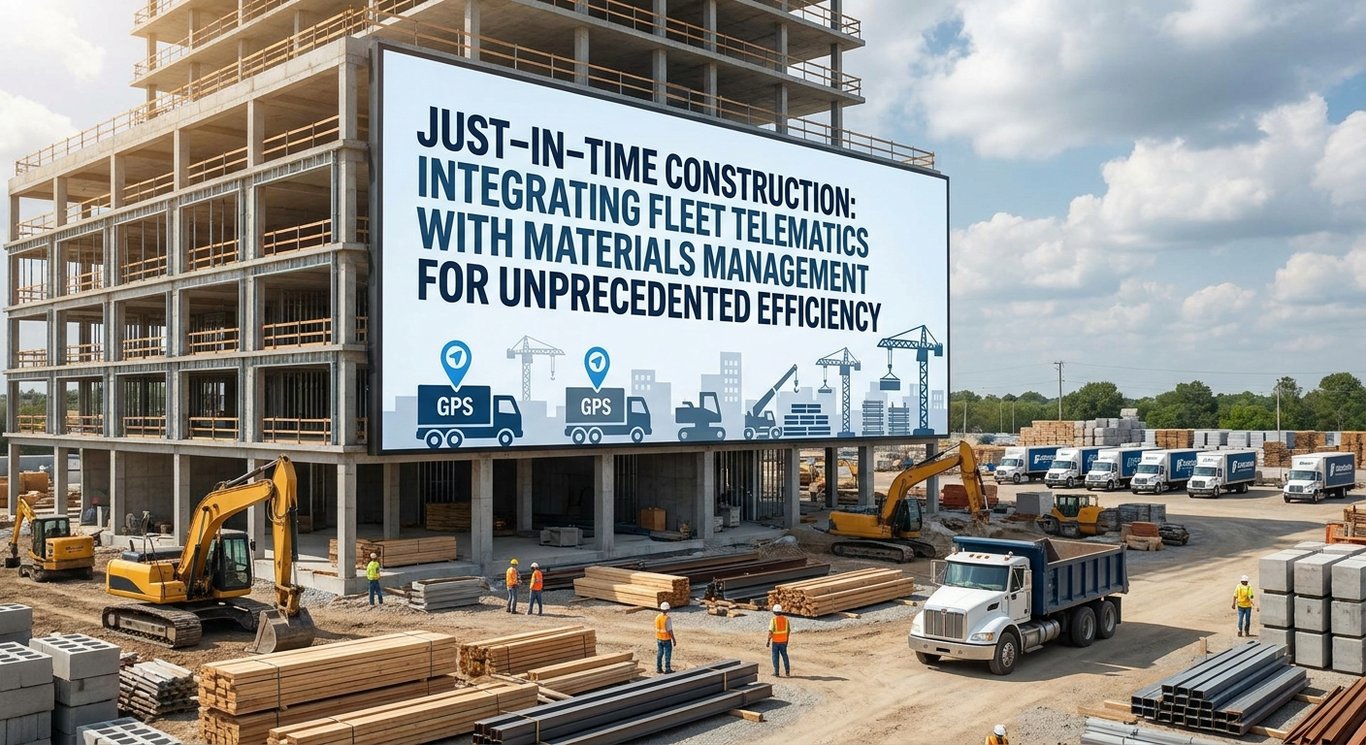

Using Telematics Data for Accurate Construction Job Costing
Introduction to Telematics in Construction
Telematics is revolutionizing the construction industry by providing real-time data that helps contractors make smarter decisions. 🚧 At its core, telematics involves collecting and analyzing data from equipment and vehicles, such as machine hours, fuel usage, and location tracking. This technology allows construction teams to monitor operations remotely and gather insights that were once impossible to track manually. By leveraging these tools, companies can address common pain points like inaccurate job costing, inefficient resource allocation, and unexpected downtime.
As the construction industry becomes more competitive, adopting telematics is no longer optional-it’s essential. 💡 With the ability to track every aspect of equipment performance, contractors can better manage budgets, streamline workflows, and improve overall project efficiency. This sets the stage for discussing how telematics transforms traditional job costing methods into precise, data-driven processes. Let’s dive deeper into how this technology supports accurate cost estimation.
How Telematics Supports Precise Job Cost Estimation
Telematics data plays a crucial role in creating accurate job cost estimates by replacing guesswork with hard facts. 📊 For example, real-time tracking of equipment usage provides detailed insights into how many hours a machine operates, how much fuel it consumes, and even how efficiently operators are using it. This level of detail ensures that costs are allocated based on actual performance rather than assumptions or outdated logs. Contractors can then bill clients more fairly while avoiding overcharging or undercharging scenarios.
The shift from manual, paper-based systems to automated, data-driven accounting is a game-changer. 🔧 Instead of relying on handwritten notes or memory, telematics platforms automatically generate reports that feed directly into financial models. This not only saves time but also reduces human error, leading to more reliable budgets and forecasts. Now, let’s explore the specific types of data collected by telematics systems and why they matter so much.
Key Data Points Collected by Telematics Systems
Telematics systems gather a wealth of information that paints a complete picture of job site operations. 🧩 Some of the most critical data points include machine hours, idle time, fuel consumption, GPS location, and maintenance alerts. Each piece of data serves a unique purpose-machine hours help calculate labor and equipment costs, while idle time reveals inefficiencies that could be costing the company money. Fuel use data, on the other hand, highlights opportunities to reduce energy expenses and environmental impact.
By analyzing these metrics together, contractors gain a holistic view of their projects’ cost drivers. 🌟 For instance, knowing exactly when and where equipment is being used can inform better scheduling decisions, ensuring assets are deployed where they’re needed most. These insights pave the way for integrating telematics data with existing management systems, which we’ll discuss next.
Integrating Telematics Data with Accounting and Project Management Systems
Connecting telematics platforms to accounting and project management software is key to unlocking their full potential. 🤝 Integration allows for seamless data flow between systems, enabling automatic updates to budgets, invoices, and progress reports. However, achieving this integration isn’t always straightforward. Challenges often arise due to incompatible formats, differing software requirements, or resistance from staff accustomed to older methods.
“Using telematics data can lead to more accurate job costing and estimates. Telematics can provide you with machine hours and fuel usage to determine operating costs.” -ConstructConnect
To overcome these hurdles, contractors should focus on best practices like choosing compatible platforms, conducting thorough testing before implementation, and training employees on new workflows. 🛠️ When done correctly, integrated systems provide actionable insights that drive smarter decision-making and improve operational efficiency. Next, we’ll examine how telematics data leads to significant cost savings across various areas of construction.
Reducing Operational Costs Through Telematics Insights
One of the biggest advantages of telematics is its ability to cut operational costs significantly. 💸 By monitoring idle time, contractors can identify equipment that’s sitting unused and reassign it to more productive tasks. Similarly, tracking fuel consumption helps pinpoint wasteful practices, such as excessive idling or inefficient routes, allowing companies to implement corrective measures. These small adjustments add up to substantial savings over time.
Real-world examples demonstrate the power of telematics in action. 🏗️ For instance, one construction firm reduced fuel expenses by 15% simply by addressing unnecessary idling. Another company saved thousands annually by preventing theft through GPS tracking. These success stories highlight the tangible benefits of embracing telematics, especially when it comes to extending equipment lifespan-a topic we’ll cover next.
“By monitoring fuel consumption across construction equipment, companies can analyse data to identify efficiencies. This leads to reduced fuel consumption and cost savings.” -Inauro
Improving Maintenance Scheduling and Equipment Lifespan
Predictive maintenance is one of the standout features of telematics, helping contractors avoid costly breakdowns and extend the life of their equipment. 🔧 By continuously monitoring machine performance, telematics systems can detect early warning signs of wear and tear, triggering alerts for timely repairs. This proactive approach minimizes downtime and keeps projects running smoothly.
In addition to reducing repair costs, predictive maintenance enhances safety on job sites. 🛡️ Well-maintained equipment is less likely to malfunction, protecting workers from potential hazards. As contractors adopt telematics, they not only save money but also build trust with clients by demonstrating a commitment to reliability and professionalism. Speaking of trust, let’s explore how telematics promotes transparency in client relationships.
Enhancing Transparency and Dispute Resolution with Clients
Transparency is crucial in any client-contractor relationship, and telematics provides the tools needed to achieve it. 📈 With access to real-time data on equipment usage, contractors can share detailed records with clients to justify billing amounts. This level of transparency builds confidence and reduces the likelihood of disputes over charges.
“Telematics systems can predict maintenance needs accurately and spot potential issues early by gathering data on equipment performance. This leads to more efficient maintenance schedules, extends the life spans of equipment and prevents costly repairs.” -Inauro
Moreover, telematics creates an auditable trail of all activities, making it easier to resolve disagreements if they do arise. 🤝 Clients appreciate having clear evidence of work completed, which fosters stronger partnerships and repeat business. This trust extends beyond billing to regulatory compliance, another area where telematics proves invaluable.
Addressing Compliance and Regulatory Reporting
Compliance with regulations is a constant concern for construction companies, and telematics simplifies this process immensely. 📋 Automated record-keeping ensures that data on emissions, work hours, and maintenance schedules is always up-to-date and accurate. This not only helps meet legal requirements but also prepares contractors for audits and inspections with minimal stress.
For example, telematics can assist with reporting fuel taxes under agreements like the International Fuel Tax Agreement (IFTA). 🚛 By tracking mileage across state lines, contractors can easily calculate and submit the correct tax amounts. Such capabilities reduce the risk of fines and penalties, freeing up resources to focus on core operations. Now, let’s see how centralizing telematics data benefits multi-site project management.
“The construction company wins, and so does the consumer. Labor and other project costs are reduced. Roads aren’t closed as long.” -AEM
Centralizing Data for Multi-Site Project Management
A centralized telematics dashboard offers unparalleled visibility for contractors managing multiple job sites. 🌐 From a single interface, they can monitor asset utilization, fuel efficiency, and maintenance status across all locations. This bird’s-eye view enables better strategic planning and resource allocation, ensuring that no site is overlooked or underserved.
With consolidated data at their fingertips, managers can quickly identify trends and address issues before they escalate. 📊 For instance, spotting a spike in fuel consumption at one site might indicate a need for operator training or equipment recalibration. Centralization empowers smarter decision-making, setting the stage for exploring real-world success stories in telematics adoption.
Real-World Case Studies and ROI Examples
Many construction firms have already reaped the rewards of implementing telematics solutions. 🏆 One mid-sized contractor reduced equipment downtime by 20% after adopting predictive maintenance alerts, resulting in annual savings of $50,000. Another company achieved a 10% reduction in fuel costs by optimizing routes and minimizing idle time, translating to $30,000 in yearly savings.
“Enhanced Equipment Utilization: By identifying idle equipment and efficiently assigning them to new jobs, Lunar increased utilization by 18%. This translated to taking on additional projects without needing to rent equipment, generating an estimated annual revenue increase of $750,000.” -SimplyFleet
These case studies illustrate the measurable return on investment (ROI) that telematics delivers. 💼 Beyond direct cost savings, companies report improved billing accuracy, enhanced client satisfaction, and streamlined operations. Such outcomes underscore the value of adopting telematics, though challenges remain in the adoption process, which we’ll address next.
Overcoming Challenges in Telematics Adoption
While the benefits of telematics are clear, implementing these systems isn’t without its hurdles. 🚧 Upfront costs, staff training, and data overload are common obstacles faced by contractors. Resistance to change within organizations can also slow down adoption, particularly among workers accustomed to traditional methods.
To navigate these challenges, contractors should start small, focusing on high-impact areas first. 🛠️ Providing comprehensive training and emphasizing the long-term benefits of telematics can help ease the transition. With persistence, companies can overcome initial barriers and unlock the full potential of this transformative technology. Let’s now look at best practices for successful implementation.
Best Practices for Implementing Telematics in Construction Costing
Implementing telematics effectively requires careful planning and execution. 📋 Start by selecting a platform that aligns with your company’s needs and integrates seamlessly with existing systems. Prioritize user-friendly interfaces and robust customer support to ensure a smooth rollout.
Once the system is in place, invest in staff training to maximize adoption rates. 👷 Regularly review data outputs to identify areas for improvement and adjust workflows accordingly. Tracking key metrics, such as equipment utilization and fuel efficiency, will help measure success and guide ongoing optimization efforts.
Finally, foster a culture of continuous improvement by encouraging feedback from employees and clients alike. 🌱 By staying adaptable and open to change, contractors can fully leverage telematics to enhance job costing accuracy and operational efficiency. Looking ahead, emerging trends promise even greater advancements in this field.
Future Trends in Construction Telematics and Job Costing
The future of construction telematics is bright, with innovations like AI-driven analytics and IoT sensors set to take precision to new heights. 🚀 Artificial intelligence will enable deeper analysis of telematics data, uncovering patterns and insights that humans might miss. Meanwhile, IoT devices will expand the scope of monitoring, capturing even more granular details about equipment and environmental conditions.
Deeper integrations with Building Information Modeling (BIM) and Enterprise Resource Planning (ERP) systems will further streamline workflows and enhance collaboration. 🌐 These advancements will refine job costing accuracy and operational efficiency, positioning early adopters at a competitive advantage. As we conclude, let’s recap the transformative impact of telematics on construction job costing.
Conclusion
Telematics has fundamentally transformed how construction companies approach job costing, offering unprecedented levels of accuracy, transparency, and cost control. 🏗️ By harnessing real-time data, contractors can eliminate guesswork, reduce operational expenses, and strengthen client relationships. The ability to automate compliance and reporting adds another layer of value, ensuring businesses stay ahead of regulatory requirements.
Investing in telematics isn’t just about solving today’s challenges-it’s about future-proofing your business against tomorrow’s uncertainties. 🚀 Contractors who embrace this technology position themselves for long-term success, gaining a competitive edge in an increasingly data-driven industry. Remember: telematics delivers precise job costing, reduces costs, enhances trust, and equips you to thrive in a rapidly evolving landscape.
If you’re ready to elevate your construction operations, consider exploring telematics solutions tailored to your needs. Start small, stay committed, and watch as this powerful tool transforms your business. 🌟