
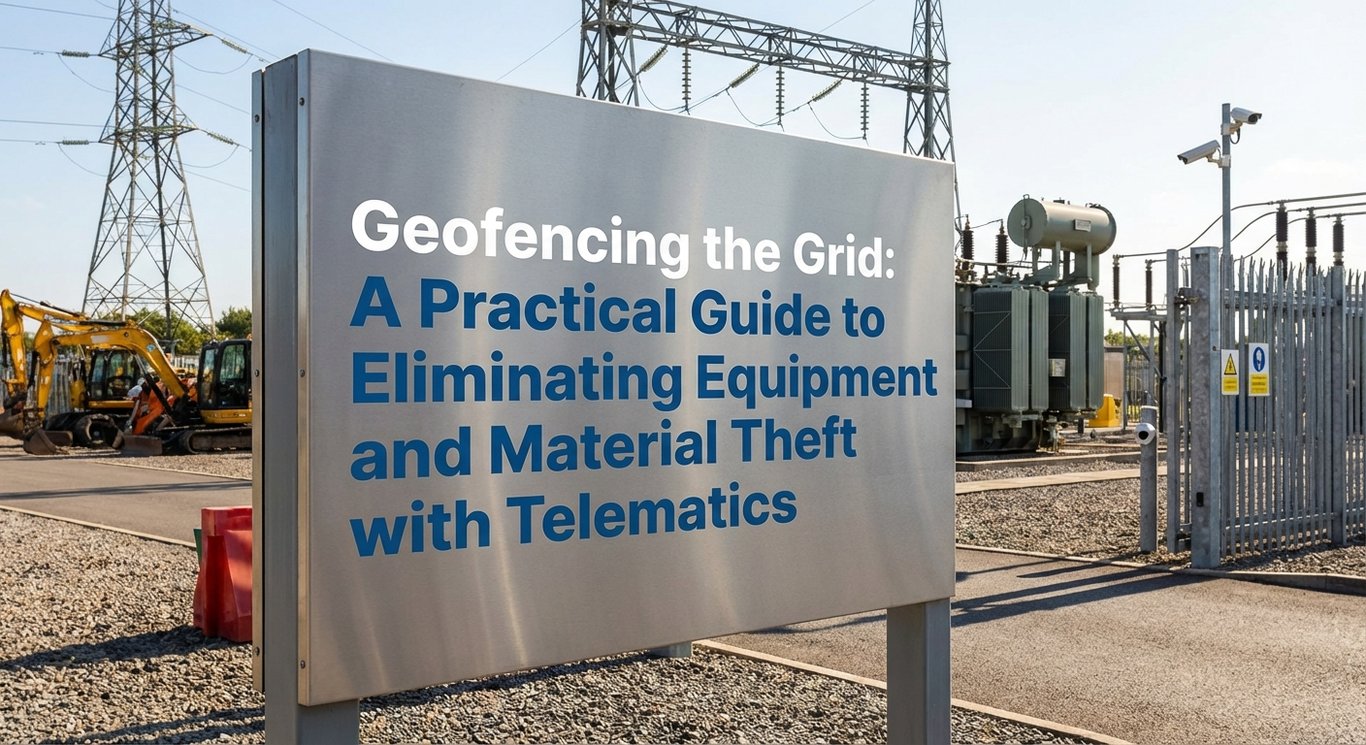
Understanding Equipment Theft in the Construction and Utility Sectors
Equipment and material theft is a massive, ongoing headache for power grids, construction sites, and utility yards across the globe 🚧. Thieves frequently target these locations because they are often left unattended overnight and are packed with highly valuable assets. Some of the most commonly stolen items include heavy-duty generators, expensive transformers, and miles of copper cabling. Because these materials are easy to resell on the black market, securing these items has become a top priority for site managers everywhere.
The financial hit from these crimes is absolutely staggering when you look at the annual statistics 📉. Every year, thousands of theft incidents result in millions of dollars in financial losses, severely impacting project budgets and timelines. High-value, off-road assets are particularly vulnerable because they are frequently parked in remote, poorly lit areas. Consequently, without better protection, utility companies will continue to bleed money replacing stolen machinery.
Unfortunately, traditional security measures like padlocks and chain-link fences simply aren’t cutting it anymore against determined criminals. This is exactly where telematics steps in to address these glaring security gaps through advanced location intelligence. By using GPS technology to track equipment 24/7, managers can instantly see if a machine is moving when it shouldn’t be. Ultimately, this digital shift is exactly what modern fleets need to stay secure and operational.
What is Geofencing and How Does It Integrate with Telematics?
At its core, geofencing is the process of creating invisible, virtual boundaries around a specific real-world area using GPS, Wi-Fi, or cellular data 🌐. Think of it as a digital fence that you can draw on a map around your job site or utility yard. When integrated with telematics systems, this technology allows for the real-time tracking of any asset equipped with a sensor. Together, these tools form a powerful, invisible shield against unauthorized movement.
Setting up this digital perimeter is a straightforward, step-by-step process that completely changes how you manage equipment. First, a fleet manager uses their telematics software to draw a virtual boundary around a designated safe zone. Next, the system constantly monitors the location of the GPS trackers attached to the equipment. If a machine crosses that invisible line, the system instantly triggers an alert, sending a text or email to the manager. As a result, teams can take immediate action before the asset disappears for good.
Key Benefits of Geofencing for Theft Prevention on the Grid
The most obvious perk of geofencing is lightning-fast theft detection and the ability to recover stolen goods quickly 🚨. The moment a piece of equipment breaches your established virtual boundary, you receive an immediate alert on your phone or computer. This allows you to contact law enforcement right away and provide them with the exact, real-time coordinates of the thieves. This rapid response drastically boosts your chances of getting your expensive gear back intact.
Beyond stopping thieves, this technology seriously upgrades your daily operational efficiency on the grid. Telematics systems don’t just track location; they also monitor asset utilization, engine hours, and idle times. By analyzing this data, managers can ensure that machinery is actually being used rather than sitting idle and wasting money. Ultimately, knowing exactly where your tools are and how they are performing keeps your projects running smoothly and reduces costly downtime.
Another massive advantage of geofencing is the sheer amount of money you can save in the long run 💰. By preventing equipment loss, you avoid the massive out-of-pocket costs associated with replacing heavy machinery and buying new materials. Furthermore, many insurance companies offer significant premium reductions for fleets that actively use GPS tracking and geofencing. Over time, these financial wins easily pay for the cost of the telematics technology itself.
“One study noted that equipment theft incidents number about 12,000 per year, with the average loss per incident around $30,000.” -GetClue
Finally, geofencing offers invaluable peace of mind and compliance benefits for stressed utility fleet managers. Juggling dozens of projects and hundreds of assets is tough, but knowing that a digital watchdog is always on duty takes a huge weight off your shoulders. It also helps companies comply with strict industry regulations regarding asset tracking and reporting. With this tech in place, managers can finally sleep soundly knowing their grid is fully protected.
Choosing the Right Telematics Hardware for Grid Assets
Selecting the right tracking hardware is crucial for the success of your theft prevention strategy. When comparing wired versus wireless GPS trackers, each has its own distinct advantages depending on the machine. Wired trackers draw power directly from the vehicle, making them great for trucks, but they can be tricky to install on non-powered assets. Therefore, battery-powered, wireless units are often the go-to choice for easy installation on heavy equipment and trailers.
[cta-call:Call2]
When shopping for devices, you need to prioritize a few essential features to get the best bang for your buck 🔋. Real-time tracking is a must-have, but you should also look for devices that offer tamper alerts if someone tries to remove them. Long battery life is incredibly important for off-road assets that might sit on a remote site for months. Additionally, concealability is key; these elements ensure your trackers remain hidden from thieves and functional when it matters most.
It is also highly recommended to look into integrating with your equipment’s existing OEM (Original Equipment Manufacturer) telematics. Many modern tractors and generators come with built-in tracking hardware straight from the factory. By connecting your geofencing software to these existing systems, you can avoid paying for redundant hardware. This streamlined approach keeps your budget in check while maximizing your overall security coverage.
Step-by-Step Implementation of Geofencing for Your Fleet
Kicking off your geofencing journey starts with identifying your most high-risk assets across the grid 📋. You don’t need to track every single shovel and ladder on day one; instead, focus on the big-ticket items that thieves love. Generators, aerial lifts, skid steers, and large spools of copper wire should be at the top of your list for initial deployment. By focusing on these expensive items first, you get the best immediate protection for your budget.
“The $140,000 in recovered equipment represents substantial value protection that far exceeds the annual cost of Track Star deployment.” -TrackStar
Once you have your priority list, it is time to physically install the trackers and draw your virtual borders. Mount the GPS units in hidden, secure locations on the equipment so they can’t be easily spotted or smashed. Then, log into your software and set up territory-based geofences around your active job sites, storage yards, and maintenance depots. This territory-based approach ensures every critical zone is actively monitored day and night.
The final step is establishing rock-solid alert protocols and response workflows for your team. You need to decide exactly who gets notified-whether it’s the site foreman, the fleet manager, or security personnel-when a geofence is breached. It is also smart to schedule weekly automated reports to review equipment movements and verify that all trackers are online. Having a clear game plan ensures your team knows exactly what to do when an alarm inevitably sounds.
Best Practices for Setting Effective Geofences on Job Sites
To get the most out of your system, you should tailor your geofences to the specific regional needs of your operations 🗺️. For instance, a small, tight geofence works perfectly for an individual, urban construction site where equipment shouldn’t move far. On the other hand, larger territory-based geofences are better suited for utility crews that need to travel across a wide county to service power lines. This flexibility prevents annoying false alarms and keeps your tracking data highly relevant.
Additionally, using terrain-aware mapping is an absolute game-changer for monitoring off-road grid equipment. Standard maps might not show the rugged trails or remote access roads where utility assets are often parked. By layering precise location data with usage monitoring, you can tell if a machine is actually working or just being towed away. This combination creates a foolproof security net, especially in remote areas where physical security guards aren’t an option.
Real-World Case Studies: Recovering Stolen Grid Equipment
Real-world success stories prove just how incredibly effective geofencing can be in the fight against theft 🏆. Take, for example, a multi-location equipment rental firm that recently faced a major theft incident. Thieves managed to drive off with several expensive machines in the dead of night. However, because the firm had set up geofences, they received instant alerts, tracked the assets, and worked with police to successfully recover $140,000 worth of stolen gear. This incredible win showcases the undeniable power of real-time location tracking.
“Telematics solves these problems by instantly identifying machine location via GPS and geofencing. The system then alerts fleet managers by e-mail or text message to their phone if a machine is not where it is supposed to be.” -Government Fleet
Another great example comes from utility companies utilizing Geoforce implementations for comprehensive asset protection. By outfitting their entire fleet of off-road vehicles and specialized grid tools with rugged trackers, they created an airtight security network. When a piece of equipment left a designated safe zone, managers were instantly notified and could disable the machine’s engine remotely. Their success highlights the importance of a well-rounded, proactive telematics strategy.
Furthermore, deployments from platforms like Clue and MaliaTrack have saved countless high-value assets across the construction sector. In one instance, thieves attempted to steal a heavy-duty trailer loaded with a massive generator. The geofence breach triggered an immediate text alert to the site manager, who guided law enforcement right to the thieves’ hideout within hours. These case studies prove that investing in smart tracking is always a winning bet for your bottom line.
Overcoming Common Challenges in Telematics Deployment
Of course, rolling out new technology across a large utility fleet does come with a few hurdles to clear 🚧. Managers often face installation delays, especially when trying to retrofit older machinery with modern trackers. Additionally, getting a reliable GPS or cellular signal in highly remote grid areas can sometimes be spotty. Finally, there is often pushback from employees who might feel like “Big Brother” is watching them, making early communication about the safety benefits crucial. Addressing these concerns head-on makes the transition much smoother for everyone involved.
To keep the system running flawlessly, you need solid strategies for ongoing maintenance and auditing. Trackers with dead batteries or damaged antennas won’t do you any good when a thief strikes. Make it a habit to perform regular physical audits of the hardware and check the software dashboards to ensure all devices are pinging correctly. With regular check-ups and a proactive mindset, scaling your protection to cover the entire fleet becomes an absolute breeze.
Enhancing Security with Complementary Measures
While geofencing is incredibly powerful, it works best when paired with traditional, complementary security measures 🔒. You shouldn’t throw away your padlocks just because you have GPS trackers! Combine your digital borders with thorough employee training so your crew knows how to park equipment safely at the end of the day. Using physical wheel locks, steering wheel immobilizers, and conducting regular site audits creates a multi-layered approach that makes your job sites significantly harder to breach.
“Geofencing with instant alerts, integration with telematics systems, usage/idle monitoring, and mobile accessibility for remote visibility stand out.” -GetClue
Additionally, implementing strict rental verification processes is vital, especially during high-risk periods like long weekends. Thieves often use fake IDs or stolen credit cards to rent expensive grid equipment on a Friday, knowing they have until Monday to disappear. By tightening up your checkout procedures and verifying customer credentials, you can stop theft before the equipment even leaves the lot. Closing these administrative loopholes is just as important as setting up your digital fences.
Measuring ROI and Long-Term Success Metrics
To truly understand the value of your telematics system, you must track the right long-term success metrics 📈. Keep a close eye on your equipment recovery rates before and after implementing the technology. You should also measure the reduction in total financial losses and monitor how much your asset utilization has improved. Watching these numbers trend in a positive direction is the best way to validate your security investments to upper management.
Calculating your payback period helps easily justify the cost of expanding the technology to the rest of your fleet. Add up the value of the equipment you’ve recovered, the insurance discounts you’ve earned, and the operational downtime you’ve avoided. Compare that total against the cost of the trackers and the monthly software subscription. Once the system pays for itself-which usually happens after just one prevented theft-scaling the benefits across all utility operations is a complete no-brainer.
Future Trends in Geofencing and Telematics for the Grid
The future of grid security is looking brighter and more high-tech than ever, largely thanks to artificial intelligence 🤖. Soon, telematics systems won’t just alert you when a theft is happening; AI-driven predictive alerts will warn you *before* it occurs by analyzing suspicious behavior patterns. We are also seeing advanced integrations where geofencing software connects directly with on-site security cameras. These innovations will soon make theft prevention entirely proactive rather than reactive.
Moreover, evolving industry regulations and the massive expansion of the Internet of Things (IoT) are set to tackle material theft head-on. In the near future, we will see tiny, affordable IoT sensors woven directly into expensive materials like copper cabling, making it impossible to steal without triggering an alarm. As governments mandate stricter tracking for utility assets, these technologies will become standard practice. Staying ahead of these exciting trends will ensure your fleet remains protected for years to come.
FAQ
What is geofencing in the context of equipment theft prevention?
Geofencing is the creation of a virtual, digital boundary around a specific geographic area using GPS or cellular data. In theft prevention, you draw this boundary around a job site or storage yard on a digital map. If a piece of equipment equipped with a tracker leaves that designated safe zone, the system instantly triggers an alert to notify managers of a potential theft.
How does telematics help eliminate material theft on power grid sites?
Telematics combines GPS tracking with onboard diagnostics to provide real-time visibility of your assets. By attaching small, rugged trackers to high-value materials and machinery, managers can monitor their exact location 24/7. If thieves attempt to haul away a generator or spools of wire, the telematics system sends immediate alerts, allowing for swift police intervention and recovery.
What are the costs associated with implementing geofencing trackers?
The costs generally include the upfront price of the GPS hardware and a recurring monthly software subscription fee. Hardware can range from $50 to a few hundred dollars per unit, depending on battery life and ruggedness, while software usually costs between $15 to $40 per month per asset. However, the investment often pays for itself quickly through recovered equipment and reduced insurance premiums.
Can geofencing work for off-road utility equipment in remote areas?
Yes, absolutely! Many modern telematics devices are built specifically for off-road and remote environments. While cellular-based trackers need a cell signal to send alerts, satellite-based GPS trackers can transmit location data from virtually anywhere on the planet. This makes geofencing highly effective even for grid equipment parked deep in the wilderness.
How quickly can you recover stolen assets using these systems?
Recovery times can be incredibly fast, often within a few hours of the theft occurring. Because geofencing provides instant alerts the moment a boundary is breached, managers can immediately share live, turn-by-turn GPS coordinates with local law enforcement. This real-time data allows police to intercept the thieves while they are still on the move, drastically speeding up the recovery process.
Conclusion
Geofencing the grid with telematics completely transforms traditional theft prevention into a highly proactive asset management strategy 🚀. By utilizing virtual boundaries, fleet managers unlock massive benefits like instant breach alerts, serious cost savings, and proven recovery successes. The key takeaways for success are simple: prioritize your high-risk assets, customize your geofences to fit your specific sites, integrate with existing OEM systems, and monitor your data via weekly reports. By following these steps, you guarantee a maximum return on your security investment while keeping your projects running smoothly.
With equipment theft rates continuing to rise, utility managers simply cannot afford to wait for the next break-in to take action. It is time to step up your security game and protect your bottom line. Start geofencing the grid today with “Geofencing the Grid: A Practical Guide to Eliminating Equipment and Material Theft with Telematics” – implement these proven strategies to secure your assets, recover potential losses, and keep your focus squarely on grid reliability. Contact leading providers like Geoforce or TrackStar for a demo today and take back control of your fleet!