Introduction to Construction Site Logistics
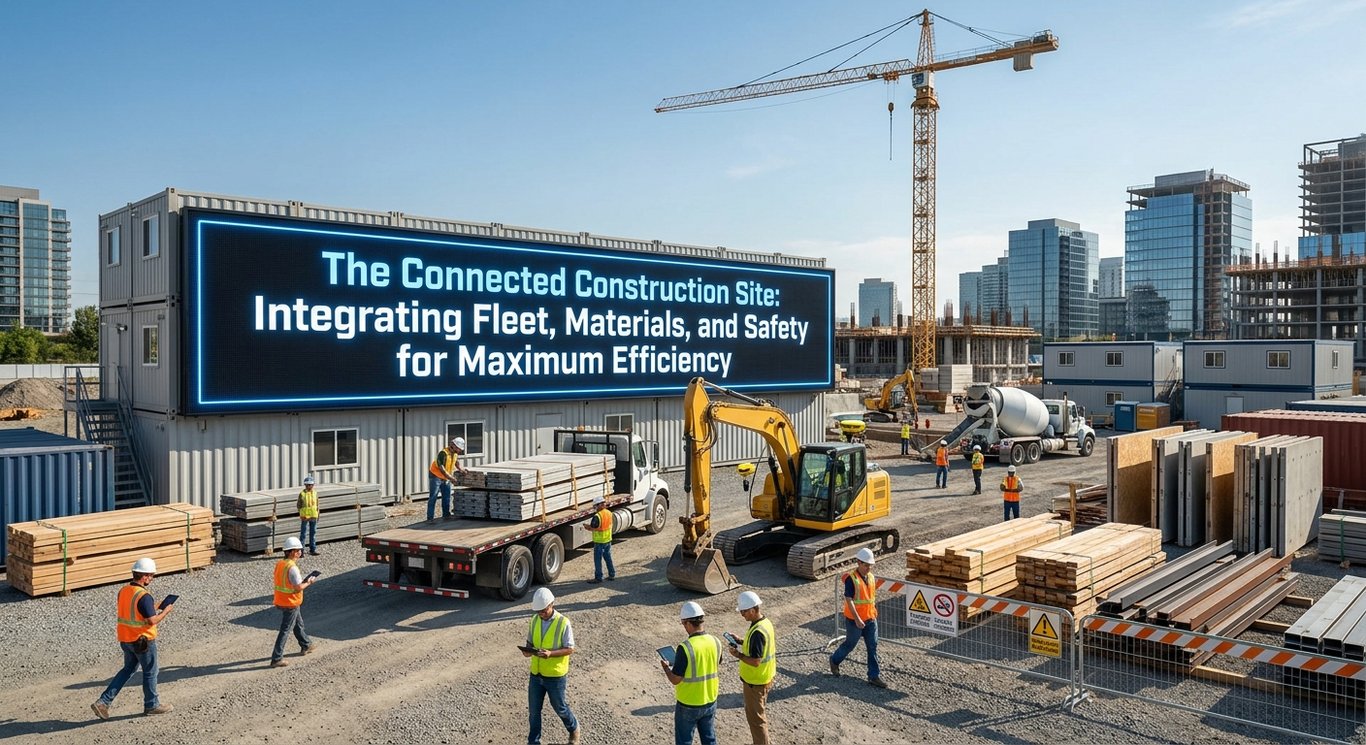
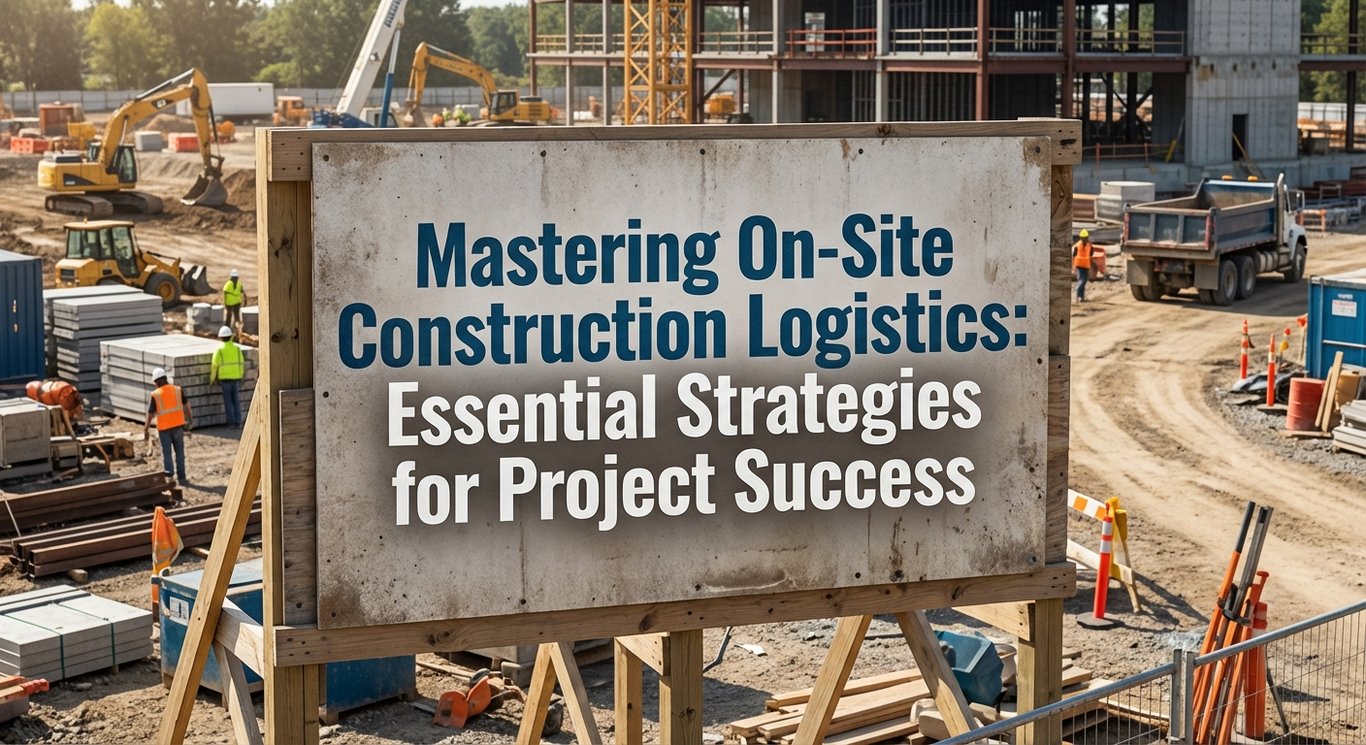
Construction site logistics is the detailed coordination of people, materials, and equipment to keep a building project moving smoothly. 🏗️ When you nail this process, you protect your project timelines and keep your budget right on track. Ultimately, mastering the “final 500 feet” of a delivery ensures that everything arrives exactly where and when it needs to be.
Furthermore, effective logistics planning acts as a shield against frustrating delays and unexpected costs. By mapping out every detail before ground is even broken, teams can maintain strict safety compliance and keep the job site hazard-free. This proactive approach sets the stage for a highly successful and profitable build.
Understanding the Four Key Components of Logistics Planning
To build a rock-solid logistics strategy, you need to understand its four main pillars: Material Flow, Site Conditions Management, Compliance, and Waste Management. 🧱 These elements don’t just work in isolation; they connect like puzzle pieces to create a smooth, unified plan. Mastering how they interact is the first step toward total site control.
Let’s start with Material Flow, which is all about how supplies travel from the vendor to your site, and eventually to the exact work area. Smart teams organize these materials based on how often they are used and how close they need to be to the actual construction zone. By keeping high-use items within arm’s reach, workers save valuable time and energy.
Meanwhile, Site Conditions Management, Compliance, and Waste Management work together to keep the project safe and legal. 🌍 These components ensure your site follows strict government rules while keeping environmental impact to an absolute minimum. Together, they guarantee your project stays clean, compliant, and community-friendly.
Material and Equipment Management Best Practices
Properly managing your materials and equipment is absolutely vital to prevent costly damage, workplace injuries, and overnight theft. 🔒 To achieve this, you need a comprehensive resource management plan that covers everything from secure storage and scheduled deliveries to tight inventory tracking. When you have a solid plan in place, your job site stays organized and your assets stay protected.
Next, you must choose the right storage solutions based on your project’s unique limits and how often materials are used. For example, you might use off-site storage for bulk items to save space, while relying on vertical storage systems and designated zones for daily necessities. Matching the right storage strategy to your specific needs keeps the site clear and functional.
Finally, keeping your heavy machinery running requires strict equipment scheduling, routine maintenance plans, and easy access to fueling stations. 🚜 Don’t forget to set up temporary utilities like water, electricity, and internet to keep the whole operation humming. Proper resource scheduling guarantees your tools and machines are always ready for action when the crew clocks in.
Designing an Optimal Site Layout
Designing a strategic site layout is a game-changer for reducing unnecessary material movement and boosting overall workflow. 📐 When everything is placed exactly where it makes the most sense, workers spend less time walking and more time building. This smart planning naturally increases productivity across every single phase of construction.
“Required materials and equipment need to be managed, stored, kept in good shape and scheduled to be available when needed. Proper resource management prevents damage, injury and theft, while also helping organize the jobsite.” -Procore
A great layout carefully maps out the placement of heavy equipment, material storage, and temporary facilities like offices or break areas. You also need to position access points so that personnel, massive delivery trucks, and daily materials can enter and exit with zero hassle. Creating these smooth pathways prevents frustrating bottlenecks at the gates.
To create this optimal design, start by drafting an initial layout using detailed site walk notes and your master project plans. 🗺️ However, before you finalize anything, it is crucial to gather input from your superintendents, project managers, and key subcontractors. Their hands-on experience will help you spot hidden layout issues before the first truck ever arrives.
Coordinating Deliveries and Managing Delivery Logistics
Coordinating deliveries is a critical task that drastically reduces site congestion and keeps your project schedule on track. 🚚 By carefully scheduling when trucks arrive, you ensure that drop-offs perfectly match your timeline and current site conditions. This level of control stops the chaos of too many trucks showing up at once.
[cta-call:Call2]
One of the best ways to manage this is through just-in-time (JIT) delivery systems. Instead of materials sitting on-site for weeks, JIT ensures they arrive right before they are actually installed. This clever approach minimizes your need for massive storage areas and keeps the job site wide open for active work.
To make this work, you should adopt delivery scheduling best practices, like requiring gate reservations at least 72 hours in advance. 📱 You can also use driver QR codes for quick access validation, assign strict delivery windows, and space out arrivals across multiple gates. These modern tactics keep the line of trucks moving smoothly and securely.
Lastly, you must match every single delivery to the actual installation schedule to spot conflicts before materials even hit the road. Every shipment needs an assigned date, a specific time window, a clear access route, and a planned unloading method. By planning these details in advance, you guarantee a flawless handoff from the truck to the site.
“A well-laid-out plan reduces site constraints, improves traffic flow, and reduces human-machine collisions.” -Pinnacle InfoTech
Creating a Comprehensive Project Schedule as Your Logistics Backbone
Think of your construction schedule as the master plan that serves as the backbone for all your logistics activities. 📅 It provides clear instructions to every single stakeholder about what needs to happen, when it should occur, and in what exact sequence. Without this central roadmap, coordinating a busy job site would be nearly impossible.
Developing a realistic delivery schedule is essential to prevent early arrivals that cause clutter and late arrivals that cause expensive delays. As mentioned earlier, focusing on materials arriving “just in time” keeps your workspace clear and your crew busy. Balancing this timing is the secret to a highly efficient operation.
Of course, a great schedule must also include critical milestones and built-in buffer time for unexpected weather or delays. 💻 It is highly recommended to use digital software tools that instantly update all stakeholders in real-time whenever logistics change. This ensures everyone stays on the same page as the project moves from one phase to the next.
Traffic Flow Planning and Site Access Management
Understanding the sheer volume of vehicles, heavy equipment, and personnel moving across your site is vital for safety. 🚧 By establishing clear traffic pathways, you can easily keep dangerous vehicular traffic completely separate from active construction zones. This separation is a non-negotiable step for protecting your hardworking crew.
When planning traffic flow, you need to map out specific entrance and exit points, decide between one-way or two-way routes, and clearly mark pedestrian crossings. Don’t forget to designate crew parking areas, wheel wash stations, and boundaries that separate public cars from construction traffic. Organizing these zones prevents accidents and keeps the surrounding neighborhood happy.
Finally, you must plan your gate capacity, optimize haul routes, and coordinate delivery windows to align with strict city noise and access regulations. 🚦 Many modern sites now use AI-assisted scheduling to analyze traffic data and automatically avoid overlapping deliveries. Leveraging these smart tools keeps your site running like a well-oiled machine.
“Implement just-in-time (JIT) delivery systems to minimize storage needs, and opt for vertical storage solutions to maximize space. With such an arrangement you can avoid expenses related to onsite warehousing and protection of material from weather and theft.” -Pinnacle InfoTech
Inventory Management and Tracking Systems
Effective inventory management relies on accurate record-keeping and reliable tracking systems to keep your project breathing. 📋 When you know exactly what you have on hand, you ensure materials are available right when you need them, which minimizes waste and slashes the risk of delays. Good tracking is simply good business.
To improve site accessibility, it helps to group your materials based on how they are used and how close they are to the active working areas. You should also rotate your inventory based on the current construction phase and always use designated storage zones for easier tracking. This physical organization makes digital tracking much more accurate.
Ultimately, modern inventory tracking systems drastically enhance accessibility across the entire job site. 🌧️ They also help reduce the heavy expenses related to on-site warehousing while protecting your valuable materials from harsh weather and potential theft. Investing in a good system pays off by keeping your assets secure and visible.
Safety and Compliance in On-Site Logistics
Safety must always be the most important aspect of your construction logistics plan. 🦺 While delivering materials on time is crucial, it must be done while strictly following government regulations and industry safety standards. Balancing speed with safety is the mark of a truly professional construction team.
Compliance considerations often require you to navigate tough access restrictions, bad weather conditions, tricky terrain, and local jurisdictional rules. You really have to understand the physical environment and specific site conditions before you bring heavy trucks into the area. Planning for these hurdles keeps you out of trouble with local authorities.
To stay ahead, you need proactive problem-solving and regular assessments of your site operations to spot dangerous bottlenecks. 🔍 By developing solid contingency plans, you can easily mitigate risks when things don’t go exactly as planned. Prioritizing safety and compliance throughout all your logistics planning will protect your crew and your company’s reputation.
“Before mobilization, owners expect proof that deliveries and equipment moves won’t disrupt surrounding streets or residents. This is where your CLP becomes operational rather than theoretical.” -StruxHub
Leveraging Technology for Logistics Coordination
Today, advanced technology plays a massive role in improving how we coordinate construction logistics. 📱 Modern software tools enable real-time updates, ensuring that every single stakeholder is on the exact same page regarding sudden logistics changes. This instant communication eliminates the costly guesswork of the past.
Furthermore, technology allows managers to track active shipments, monitor vendor delivery performance, and dive into data analytics for continuous improvement. Teams can use delivery management platforms to assign gate capacities, enforce driver check-in protocols, and push live updates to the crew. These digital platforms bring absolute clarity to site operations.
Looking to the future, AI-assisted scheduling capabilities and BIM-led strategies are rapidly improving site productivity. 🤖 This technology helps analyze complex traffic data and optimize logistics to avoid nasty conflicts before they ever occur on-site. Embracing these tech tools gives your project a serious competitive edge.
Implementing Lean Construction Principles in Logistics
Lean construction principles are all about eliminating waste and improving processes through systematic analysis and continuous improvement. 📉 When you integrate these lean concepts with your daily logistics planning, you can dramatically reduce inefficiencies across the board. It is a smart way to do more with less effort.
A big part of this involves network planning, which carefully coordinates multiple suppliers, contractors, and materials to reduce site interference and maximize productivity. ♻️ Additionally, lean logistics strategies heavily promote sustainable practices, like using eco-friendly materials and actively reducing physical waste. Building lean means building smart and green.
Communication and Coordination with Project Stakeholders
Developing a comprehensive communication plan for all stakeholders-including suppliers, subcontractors, and your internal project teams-is absolutely critical. 🗣️ This high level of collaboration helps establish standardized, repeatable processes for receiving, inspecting, and storing materials. When everyone speaks the same language, mistakes drop to near zero.
At the center of this communication web is the project superintendent, who plays a vital role in coordinating and managing logistics across all teams. 👷♂️ Their ability to maintain effective communication prevents schedule delays, reduces daily confusion, and ensures an incredibly smooth workflow throughout the entire project. Good leadership here ties the whole logistics plan together.
Frequently Asked Questions About On-Site Construction Logistics
What is the main goal of construction site logistics planning?
The main goal of construction site logistics planning is to ensure efficient material flow, minimize delays and costs, maintain strict safety compliance, and optimize resource utilization throughout the entire project. 🎯 Effective logistics planning prevents frustrating site congestion, reduces material waste, and keeps all stakeholders perfectly coordinated on project timelines and incoming deliveries.
How can just-in-time (JIT) delivery systems improve on-site logistics?
JIT delivery systems drastically reduce storage requirements and site congestion by ensuring materials arrive shortly before they are actually needed for installation. ⏱️ This lean approach minimizes theft risk, prevents material damage from weather exposure, reduces the space needed for staging areas, and lowers warehousing expenses while maintaining material availability exactly when required.
What problems does effective delivery coordination solve on jobsites?
Effective delivery coordination ensures predictable delivery windows and higher productivity with significantly reduced downtime for your crew. 🛑 It prevents the gridlock caused by overlapping deliveries, maintains compliance with local traffic and safety rules, improves relations with city agencies monitoring construction impact, and keeps the site organized and accessible for all activities.
Why is site layout design critical to construction logistics success?
Site layout design directly impacts your workflow efficiency, material movement, and heavy equipment accessibility. 🏗️ A strategic layout reduces the unnecessary movement of materials and personnel, facilitates easy entry and exit for vehicles, optimizes the placement of temporary facilities and storage areas, and creates clear traffic pathways that maintain safety and productivity throughout the project.
How can technology improve construction logistics coordination?
Technology enables real-time updates to all stakeholders, tracks shipments and delivery performance, provides data analytics for continuous improvement, and automates scheduling through AI-assisted systems. 💻 Digital tools help prevent delivery conflicts, optimize traffic flow based on data analysis, maintain accurate inventory records, and ensure all teams have current information about logistics changes and timelines.
Conclusion
Mastering on-site construction logistics requires a comprehensive approach that seamlessly integrates material flow management, strategic site layout design, coordinated delivery scheduling, and real-time stakeholder communication. 🏆 By implementing the best practices outlined in this guide-including just-in-time delivery systems, effective inventory management, traffic flow planning, and technology-enabled coordination-construction teams can significantly reduce delays, minimize costs, and maintain safety compliance. Ultimately, the foundation of successful logistics planning rests on a detailed project schedule that serves as the master plan for all activities, ensuring that every stakeholder understands what needs to happen, when, and in what sequence.
As construction projects become increasingly complex and time-sensitive, the importance of mastering on-site logistics simply cannot be overstated. Whether you are managing a small residential project or a massive commercial development, the principles of effective logistics planning-from coordinating deliveries 72 hours in advance to designing optimal site layouts that maximize workflow-directly impact your bottom line and project timeline. Take action today by implementing “The Final 500 Feet: A Guide to Mastering On-Site Construction Logistics” across your organization. Start with a comprehensive assessment of your current logistics processes, identify areas for improvement using the key components and best practices outlined here, and invest in technology solutions that enable real-time coordination. By prioritizing logistics excellence, you will enhance productivity, reduce waste, improve safety compliance, and deliver projects that meet or exceed stakeholder expectations.
To wrap things up, here are your key takeaways: (1) Construction logistics planning comprises four essential components-Material Flow, Site Conditions Management, Compliance, and Waste Management; (2) Just-in-time delivery systems and strategic site layout design are critical for minimizing congestion and optimizing workflow; (3) A comprehensive project schedule serves as the backbone for all logistics activities and stakeholder coordination; (4) Traffic flow planning and gate capacity management prevent delays and maintain compliance with local regulations; (5) Technology and real-time communication systems enable all teams to stay coordinated and respond quickly to logistics changes; (6) Proactive inventory management, waste reduction, and lean construction principles contribute to both cost savings and project efficiency. 🚀