What Are Toolbox Talks?
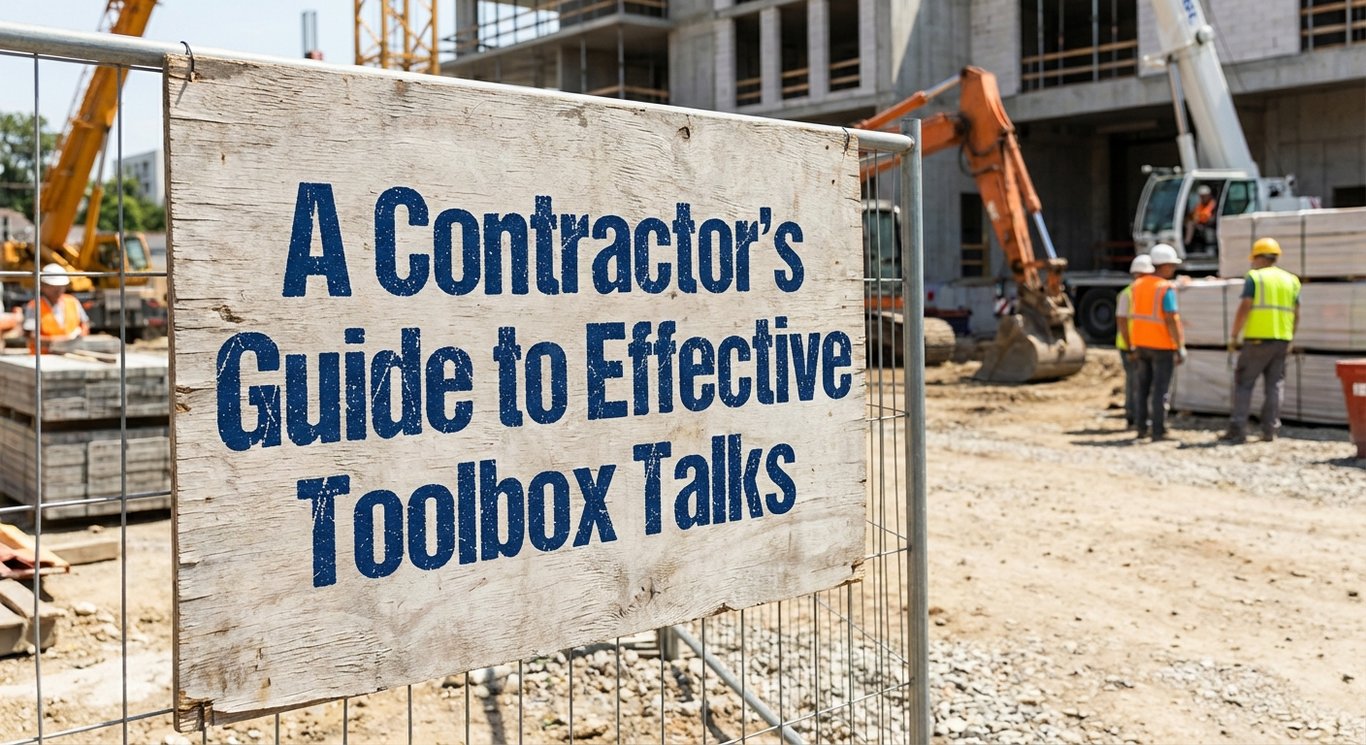
Toolbox talks are short, informal safety meetings that take place right on the construction site. Unlike a full day of training in a classroom, these are quick huddles designed to discuss specific safety topics relevant to the current job. The main goal is to reinforce safe work practices and remind everyone about the hazards they might face that day. Think of it as a daily refresher to keep safety at the top of everyone’s mind before tools are even picked up. 🚧
Originally, these talks started in the construction and utility industries as a practical solution to a common problem. It wasn’t always easy or efficient to pull an entire crew off a job site for formal training every time a new risk appeared. So, supervisors began holding brief discussions around the “toolbox” to address immediate site hazards. This allowed teams to adapt quickly to changing conditions without needing a projector or a conference room.
Beyond just pointing out dangers, these talks play a huge role in building a strong culture of safety. By involving all workers in daily discussions, it sends a clear message that safety is everyone’s responsibility, not just the safety officer’s job. When the whole crew participates, it encourages open communication and makes it easier for workers to speak up if they see something unsafe. Ultimately, it keeps the team connected and looking out for one another. 🤝
Why Toolbox Talks Matter for Contractors
For contractors, the benefits of holding these talks go far beyond just checking a box. Regular safety refreshers are proven to reduce workplace accidents significantly, which keeps projects on schedule and budgets on track. Additionally, they improve overall compliance with safety regulations and boost team morale. When workers see that management cares enough to take time every day to discuss their well-being, they feel more valued and are more likely to take pride in their work.
From a legal standpoint, toolbox talks are a critical component of a company’s defense and documentation strategy. While OSHA doesn’t explicitly say “you must do a toolbox talk every Tuesday,” they do require employers to instruct employees in the recognition and avoidance of unsafe conditions. These talks support OSHA standards and prove that a company is actively maintaining its safety program. If an incident does occur, having a record of these talks demonstrates that you took reasonable steps to train your crew. 📋
How Often Should You Hold Toolbox Talks?
Determining the right frequency is key to keeping the information fresh without it becoming a burden. Most successful contractors recommend holding a toolbox talk at least once a week. However, it is also smart to hold them before starting any high-risk task or immediately following a near-miss incident on site. This ensures that the safety information is timely and directly relevant to what the crew is about to do.
To make sure these meetings happen consistently, you need to schedule them in a way that doesn’t disrupt the workflow. A great tip is to schedule them at the very start of a shift or right after a lunch break when everyone is already gathered together. Consistency is king here; if you make it a routine part of the schedule, the crew will come to expect it and be ready to listen. ⏰
Selecting the Best Toolbox Talk Topics
Choosing the right topic is half the battle when it comes to keeping your crew engaged. You should start with the “greatest hits” of construction safety, such as proper use of Personal Protective Equipment (PPE), preventing slips, trips, and falls, and working safely at heights. Equipment safety, like inspecting ladders or power tools, is another staple that never gets old because these are things workers touch every single day. 🦺
“The causes of the 11 recorded fatalities among CII members included contact with equipment, falls and transportation incidents. Safety toolbox talks can address all of these priorities, along with other topics.” -The Bluebeam Blog
However, you shouldn’t just stick to generic topics; you need to tailor your talks to the specific risks of your current job site. For example, if your team is about to start digging a trench, that is the perfect time to talk about excavation safety and soil stability. If the scaffolding just went up, shift the focus to scaffolding hazards. Making the topic relevant to the actual work happening that day makes the advice much more valuable to the crew.
Finally, don’t be afraid to branch out into broader topics that affect worker well-being. Mental health in construction is a growing concern, and a toolbox talk is a safe space to check in on how everyone is handling stress. You can also cover simple but effective topics like housekeeping-keeping the site clean prevents a lot of accidents. Mixing up the topics keeps things interesting and shows you care about the whole worker, not just their physical safety. 🧹
Preparing for a Successful Toolbox Talk
Even though these talks are informal, winging it is usually a bad idea. To prepare, spend a few minutes researching the topic to ensure you have the most current information and regulations. Create a simple structure for your talk: define the problem, explain the solution, and give a real-world example. Having a rough outline prevents you from rambling and ensures you hit all the key safety points efficiently.
[cta-call:Call2]
To really make the message stick, try to gather some visuals or props before the meeting starts. If you are talking about eye protection, hold up a pair of safety glasses that saved someone’s eye, or show a damaged helmet to demonstrate why we wear hard hats. Real examples and physical objects capture attention much better than just standing there and talking. It turns a lecture into a demonstration. 👓
Lastly, take a moment to practice your delivery. You don’t need to be a professional public speaker, but you should avoid reading a script word-for-word. If you have your nose buried in a paper, you lose eye contact and connection with your crew. Glance at your notes to stay on track, but speak naturally, like you are explaining the job to a friend. This makes the talk feel more authentic and less like a mandatory lecture.
Who Should Lead and Attend Toolbox Talks?
Typically, the best people to lead these talks are the ones who are on the ground with the crew, such as foremen, site supervisors, or experienced senior workers. These leaders are familiar with the specific tasks of the day and command the respect of the team. However, it can also be very effective to rotate the leader role, allowing different workers to present a topic they are knowledgeable about. This keeps things fresh and empowers the crew.
As for attendance, it is crucial that every single person on the site participates, regardless of their role or rank. From the newest apprentice to the project manager, everyone faces risks on a construction site. When leadership attends and pays attention, it signals to the rest of the team that this isn’t just a formality-it’s a priority. Full participation ensures that everyone is on the same page and looking out for each other. 👷♀️👷♂️
“Prepare properly – Choose a topic relevant to the work being done, such as recent incidents, site hazards, or seasonal risks, and review it beforehand so you can speak confidently and naturally.” -HSE Network
Step-by-Step Guide to Conducting a Toolbox Talk
Starting Strong
You have to grab the crew’s attention right out of the gate, or they will tune you out. Start with a quick story about a near-miss, a surprising statistic, or a question like, “Has anyone here ever seen a ladder slip?” This hooks the audience immediately and gets their brains working. A strong opening sets the tone that this is going to be an interesting and important discussion, not a boring lecture.
Once you have their attention, introduce the specific topic clearly and link it directly to the work they are doing that day. For instance, if you are talking about electrical safety, mention that the electricians are pulling wire on the second floor today. Making that connection helps workers understand why this information matters right now, which increases the likelihood that they will apply what they learn. ⚡
Delivering the Core Message
Now it is time to get to the meat of the talk by presenting the key risks and the controls needed to stay safe. Be clear and direct about what can go wrong and exactly what they need to do to prevent it. Avoid using complicated jargon; just use plain language to explain the best practices. If there is a specific rule or procedure they need to follow, state it clearly so there is no confusion.
Whenever possible, demonstrate the practical aspects of the safety tip. If you are discussing lifting techniques, actually show the proper stance and motion. If the topic is checking power cords for damage, pass around a frayed cord so everyone knows what to look for. Visual and physical demonstrations help people remember the information much better than just hearing it. 👀
Wrapping Up
As you come to the end of the talk, summarize the main takeaways in one or two sentences to reinforce the message. Then, open the floor for a quick Q&A session. Encourage the crew to ask questions or share their own experiences related to the topic. This two-way communication confirms that they understood the message and allows you to clarify any doubts before work begins.
Finally, assign specific actions if necessary and promote accountability among the team. Remind them to watch out for each other and to speak up if they see the hazard you just discussed. A good closing reinforces that safety is a team effort and that everyone is responsible for going home safe at the end of the day. 👋
Engaging Your Team During Talks
Engagement is the difference between a team that listens and a team that zones out. To keep people involved, ask open-ended questions rather than yes/no questions. Ask things like, “How would you handle this situation?” or “What’s the biggest risk you see with this tool?” Encourage veteran workers to share their “war stories” about safety, as these real-life experiences often carry more weight than a textbook rule.
“When documenting tool box talks, it is essential to capture key information accurately. This typically includes the date, time, location, topic, and presenter of the talk. Additionally, documenting the names of attendees is crucial.” -StruxHub
Sometimes you might deal with shy participants or distractions on the site. If someone is quiet, don’t put them on the spot aggressively, but try to ask for their opinion on something they are good at. If people are distracted by noise or phones, wait for silence before speaking or ask for phones to be put away for five minutes. It is important to manage the environment so that the focus remains on safety.
Your body language matters, too. Make eye contact with different people in the group, not just the person standing in the front. Use clear, loud language so everyone can hear you over the site noise. Also, make sure you are standing in a safe, comfortable location where the sun isn’t in their eyes and there isn’t heavy machinery moving right behind you. Comfort helps concentration. 🗣️
Documenting and Following Up on Toolbox Talks
If you didn’t write it down, it didn’t happen-at least that’s how a safety inspector will see it. It is essential to keep a record of every toolbox talk. This record should include the date, the name of the person who gave the talk, the specific topic discussed, and a sign-in sheet with the signatures of everyone who attended. You should also note any action items or concerns that were raised during the meeting.
Documentation isn’t just for legal protection; it’s also a tool for improvement. Review your notes periodically to see what topics have been covered and what questions keep coming up. This feedback loop helps you plan future talks that address the actual needs of your crew. If workers raised a safety concern during a talk, follow up with them later to show that you fixed the problem. This builds trust. 📝
Common Challenges and How to Overcome Them
One of the biggest challenges contractors face is low engagement or the feeling that there just isn’t enough time. If the crew looks bored, try shortening the talks and making them more interactive. If time is tight, remember that a focused 5-minute talk is better than a skipped 15-minute one. Prioritize the most critical information and get straight to the point to respect everyone’s time.
Another hurdle is dealing with remote teams or crews that speak different languages. For remote workers, you can use video calls or send digital updates, but try to verify they understood the message. For multilingual teams, use visual aids heavily and, if possible, have a bilingual worker translate the key points. Safety is universal, so language barriers must be bridged to ensure everyone is protected. 🌎
Finally, it can be hard to tell if the talks are actually working. To measure effectiveness, look at your safety data over time. Are near-miss reports going up? That’s actually a good sign-it means people are more aware. Are accidents going down? That’s the ultimate goal. You can also simply ask your crew during a lunch break if they feel the talks are helpful and what they would change.
Benefits of Regular Toolbox Talks
The most obvious benefit of consistent toolbox talks is a tangible improvement in safety records. Sites that hold regular briefings tend to have fewer accidents and injuries because hazards are identified and addressed daily. This keeps insurance costs down and, more importantly, keeps workers healthy and able to earn a living. It turns safety from a concept into a daily habit.
Beyond the statistics, these talks enhance the overall communication and culture of the team. When a crew communicates openly about safety, they start communicating better about quality and productivity, too. It builds a sense of camaraderie where workers look out for one another. A strong safety culture attracts better talent and makes the job site a more pleasant place to work. 🌟
FAQ
How long should a toolbox talk last?
Typically 5-15 minutes to keep it focused and engaging.
How often should toolbox talks be conducted?
At least weekly or before high-risk activities.
Who can present a toolbox talk?
Supervisors, foremen, or knowledgeable workers.
What if employees don’t participate?
Create a safe space, ask specific questions, and build gradually.
Are toolbox talks required by OSHA?
Not explicitly, but they support general safety training duties.
Conclusion
To wrap things up, toolbox talks are one of the most powerful tools a contractor has to foster a proactive safety mindset. They are not just about compliance; they are about reducing risks and ensuring that every worker understands the hazards they face. By preparing relevant topics, keeping the sessions short and interactive, and documenting the results, you create a safer environment. Remember, the goal is to involve the whole team, making safety a shared value rather than a top-down rule.
Now it is time to take action. Start implementing this guide today by scheduling your next toolbox talk on a pressing site hazard that your team is facing right now. Download some free templates, track your progress, and commit to weekly sessions. By doing this, you will transform your crew’s safety performance, and your team, your clients, and your projects will thank you for it. Let’s get to work safely! 🚀