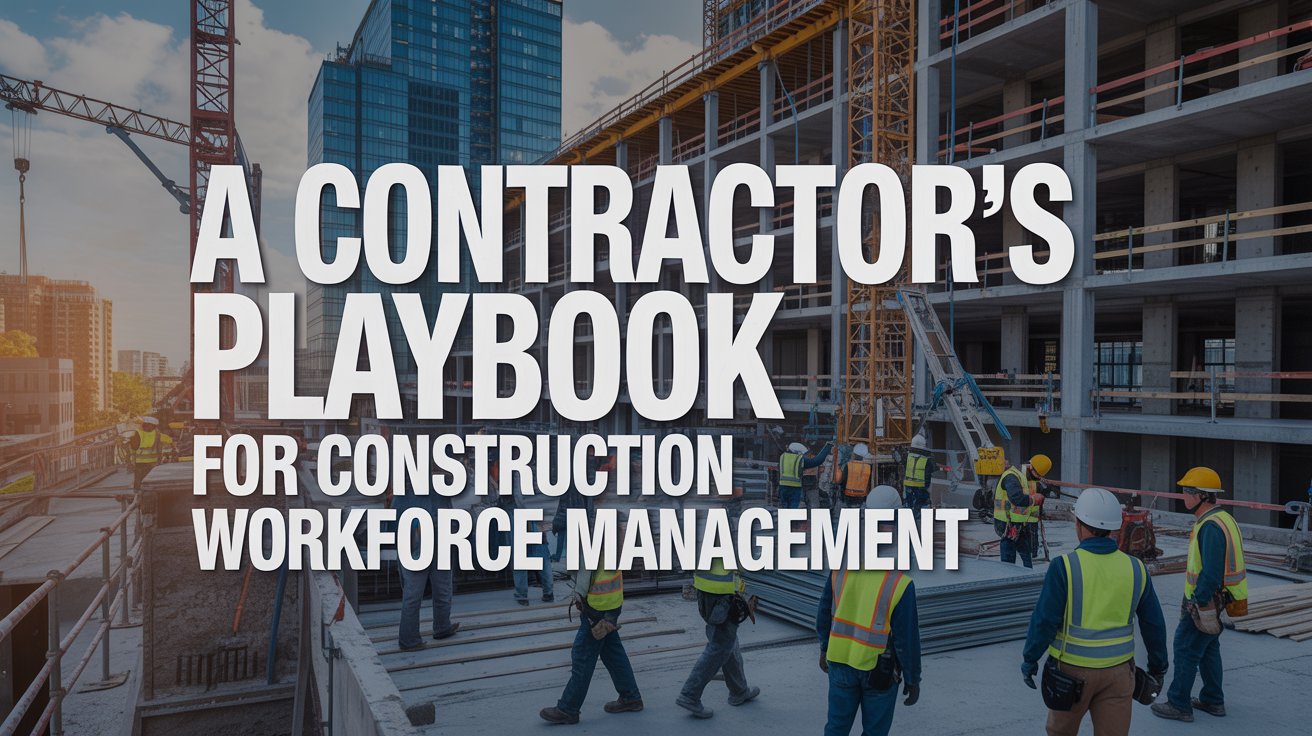
A Contractor’s Playbook for Construction Workforce Management
Introduction: Why Workforce Management Matters in Construction
Workforce management is the backbone of any successful construction project. It’s not just about getting people to show up on-site; it’s about ensuring they’re in the right place, at the right time, and doing the right job. Poor workforce management can lead to delays, increased costs, and even project failure. Did you know that labor costs can account for up to 40% of a construction project’s expenses? That makes effective workforce management a business-critical skill for contractors. This guide will walk you through key strategies like planning, scheduling, communication, and technology use-all tailored to help you manage your team more efficiently. 🚧
To thrive in today’s competitive construction industry, you need more than hard hats and blueprints. You need a clear plan for managing your most valuable resource: your people. By mastering workforce management, you’ll not only control costs but also boost productivity and improve project outcomes. Now, let’s dive deeper into what workforce management actually means in the construction world. 🏗️
Defining Construction Workforce Management
Construction workforce management goes beyond simply creating schedules. It’s a comprehensive approach that includes planning, data analysis, performance tracking, and strategic resource allocation. Think of it as the bridge between your workforce and project goals. When done well, it ensures that every worker contributes effectively to the project’s success while minimizing waste and inefficiencies. With so many moving parts in construction, having a solid workforce management strategy is essential. 🔧
Key Components of an Effective Workforce Management Strategy
An effective workforce management strategy has several key components. First, there’s workforce planning-understanding your project’s needs and aligning them with your team’s skills. Then comes scheduling, which ensures everyone knows where they need to be and when. Data collection and analysis play a crucial role too, helping you make informed decisions based on real-time information. Performance management tracks how well your team is meeting goals, while forecasting helps you anticipate future staffing needs. Together, these elements create a seamless workflow that drives project success. 📊
When all these components work in harmony, the result is a well-oiled machine. For example, analyzing data might reveal that certain tasks take longer than expected, prompting adjustments in scheduling or training. This interconnected approach allows you to stay ahead of challenges and keep projects running smoothly. Next, let’s talk about how to staff your projects effectively. 👷♂️
Staffing Your Projects: Recruitment and Onboarding
Finding the right people for your projects is half the battle. Recruitment isn’t just about hiring anyone who can swing a hammer-it’s about finding individuals with both technical expertise and the right attitude. Skills are important, but cultural fit matters too because teamwork is critical in construction. Once you’ve hired the right talent, a structured onboarding process ensures they hit the ground running. This includes safety training, introductions to the team, and a clear explanation of their role. 🤝
“Workforce planning and allocation serve as the cornerstone of effective construction workforce management. This component involves identifying the specific skills and number of workers required for a project, as well as strategically assigning them to tasks.” -Meegle
A strong onboarding process pays off in the long run by reducing turnover and increasing productivity. Imagine starting a new job without knowing what’s expected of you-it would feel overwhelming! By setting clear expectations from day one, you set your workers-and your projects-up for success. Now, let’s explore how to allocate resources effectively once your team is in place. 🎯
“Forecast: Identifying labor needs and durations for different types of personnel on current and future jobs. Forecasting is a hybrid of Labor Planning at the project level, and then aggregating those Labor Plans across your entire workforce and project list.” -Rivet
Resource Allocation and Scheduling
Matching workers to projects based on their skills, availability, and the demands of the job is no small feat. It requires careful planning and constant monitoring. For instance, assigning a plumber to electrical work won’t end well! Centralized scheduling systems help streamline this process by providing a bird’s-eye view of who’s available and where they’re needed. Real-time tracking tools further enhance efficiency by allowing managers to adjust plans quickly if something changes. 🕒
“Resource scheduling and optimization focus on efficiently distributing labor resources across various project tasks and timelines. Advanced scheduling tools and software enable managers to create detailed work schedules, track progress, and adjust plans in real time…” -Meegle
Predictive analytics takes resource allocation to the next level. By analyzing past project data, you can forecast future staffing needs and avoid last-minute scrambles. This proactive approach saves time, reduces stress, and keeps projects on track. Plus, it minimizes costly downtime caused by overstaffing or understaffing. Speaking of keeping things running smoothly, let’s shift gears to another vital aspect: communication. 📞
“Roster: A continuously maintained list of your workforce, with each person’s unique attributes, specialties and work history… A good Roster is available at a glance (for the appropriate people) from anywhere.” -Rivet
Clear communication is the glue that holds everything together. Without it, even the best-laid plans can fall apart. Misunderstandings lead to mistakes, delays, and frustration among team members. That’s why establishing standardized processes and leveraging digital tools is so important. These practices ensure everyone stays aligned and informed, no matter where they are on-site. 😊
“Certification tracking: It’s important for project stakeholders to understand the individual skills each employee brings to the table. You need to accurately track who is certified for different types of skilled labor-and when those certifications expire-so you can assign work appropriately.” -Raken
Communication and Coordination
In construction, poor communication can derail an entire project. Whether it’s unclear instructions, missed updates, or lack of collaboration, miscommunication creates unnecessary obstacles. To prevent this, adopt digital tools that facilitate real-time updates and streamline interactions. From messaging apps to shared calendars, these platforms keep everyone connected and reduce the risk of errors. 🌐
“Time tracking provides valuable insight for the business. When you assign cost codes to tasks… you can use time card data to monitor employee performance and improve the accuracy of future bids and proposals.” -Raken
Standardizing communication protocols also helps. For example, holding regular check-ins or using consistent reporting formats ensures nothing falls through the cracks. When teams communicate effectively, they build trust and work more cohesively toward common goals. But communication alone isn’t enough-you also need to monitor performance to ensure continuous improvement. Let’s discuss how to do that next. 📈
“Use the right communication channels… Fostering a culture of collaboration and communication: Encouraging open communication and teamwork creates a positive work environment that enhances productivity and morale.” -Meegle
Performance Tracking and Continuous Improvement
Tracking worker performance is key to identifying strengths and areas for improvement. This involves monitoring metrics like task completion rates, labor costs, and adherence to deadlines. Regular review cycles provide opportunities to give feedback, recognize achievements, and address issues before they escalate. Aligning individual performance with organizational goals fosters a sense of purpose and accountability. 🏆
“Helping employees further their careers and skills often does the opposite, leading to improved satisfaction and loyalty. Training boosts morale, and it’s cheaper than hiring.” -Quickbase
Data-driven insights enable you to refine your workforce management strategy over time. For example, if certain tasks consistently exceed budgeted hours, it may indicate a need for additional training or process adjustments. Continuous improvement isn’t just about fixing problems-it’s about optimizing every aspect of your operations. And speaking of optimization, let’s explore the role of technology in making this easier. 💻
“Leveraging advanced technologies for workforce planning and optimization enables informed decision-making and improves project outcomes.” -Meegle
Technology and Tools for Workforce Management
Modern workforce management relies heavily on technology. Software solutions offer features like automated scheduling, time tracking, and real-time reporting, saving contractors countless hours. Mobile apps allow field workers to access schedules, submit timesheets, and receive updates on the go. Automation reduces manual errors and frees up time for higher-value activities. 🛠️
“High-rise developments present unique challenges in construction workforce management due to their complexity and scale… implemented a comprehensive compliance tracking system.” -Meegle
Cloud-based tools are particularly transformative, enabling seamless collaboration across teams and locations. With instant access to shared data, decision-makers can respond quickly to changing conditions. Investing in the right technology not only boosts efficiency but also enhances overall project quality. However, adopting new tools isn’t without its challenges. Let’s examine some common pain points and how to overcome them. 🤔
“Workforce Management in Construction: Key Features & Practices. Explore the key features and best practices for workforce management in construction to boost efficiency, reduce costs, and streamline …” -TimeForge
Overcoming Common Workforce Management Challenges
Labor shortages, skill gaps, and communication breakdowns are frequent hurdles in construction workforce management. The industry’s reputation for being physically demanding often deters younger workers, exacerbating staffing issues. To combat this, focus on creating attractive career paths and emphasizing the rewarding aspects of the job. Additionally, invest in training programs to bridge skill gaps and prepare workers for evolving roles. 🙋♀️
“Conduct a thorough assessment of current practices… Involving key stakeholders in the planning and execution of best practices fosters buy-in and support for the changes.” -Meegle
Compliance is another challenge. Navigating complex regulations around wages, safety, and documentation can be daunting. Staying organized and leveraging compliance-focused software can simplify this process. Addressing these challenges proactively ensures smoother operations and fewer disruptions. But compliance isn’t just about avoiding penalties-it’s about protecting your team. Let’s delve into legal considerations next. ⚖️
Legal and Compliance Considerations
Contractors must navigate a maze of legal requirements, from OSHA safety standards to wage and hour laws. Failing to comply can result in hefty fines, lawsuits, and reputational damage. Proper documentation is crucial-maintain accurate records of certifications, permits, and payroll details to demonstrate adherence to regulations. Training employees on safety protocols is equally important to prevent accidents and liabilities. 📜
Staying compliant requires vigilance and organization. Regular audits and updates to policies ensure you remain aligned with current laws. While it may seem tedious, prioritizing compliance protects both your business and your workforce. Beyond compliance, retaining skilled workers is another priority. Let’s explore strategies for fostering loyalty and growth within your team. 🌱
Workforce Development and Retention
Investing in ongoing training and mentorship programs is a win-win for contractors and workers alike. Not only does it enhance skills, but it also shows employees that you value their growth. Career development opportunities inspire loyalty and motivate workers to perform at their best. Pairing experienced mentors with newcomers accelerates learning and strengthens team bonds. 🤝
Employee engagement directly impacts retention and business success. Happy workers are more productive, take fewer sick days, and contribute positively to workplace culture. By prioritizing workforce development, you build a resilient team capable of tackling future challenges. Looking ahead, let’s consider how emerging trends might shape workforce management in construction. 🚀
Sustainability and the Future of Workforce Management in Construction
The future of construction is green, automated, and tech-driven. Innovations like robotics, drones, and sustainable building practices are reshaping the industry. As these trends gain traction, workforce needs will evolve accordingly. Contractors must adapt by reskilling workers and embracing eco-friendly methods. Green certifications and energy-efficient designs are becoming increasingly important to clients and regulators alike. 🌿
Automation offers exciting possibilities, from autonomous machinery to AI-powered analytics. While some fear job displacement, these technologies actually create new opportunities for skilled labor. Forward-thinking contractors will blend traditional craftsmanship with cutting-edge tools to stay competitive. Now that we’ve covered the essentials, here are answers to some frequently asked questions. ❓
FAQ: Top 5 Common Questions About Construction Workforce Management
- What is construction workforce management, and how does it differ from simple scheduling?
- How can contractors effectively recruit and retain skilled construction workers?
- What technology solutions are available for workforce management in construction?
- What are the main challenges contractors face in workforce management, and how can they be addressed?
- How does workforce management impact overall project profitability and success?
Conclusion and Call to Action
Strategic workforce management is the key to unlocking success in construction. From planning and communication to technology and sustainability, every element plays a vital role in achieving project goals. By focusing on data-driven decision-making and investing in both people and tools, contractors can maximize productivity and profitability. Remember, mastering workforce management isn’t just about surviving-it’s about thriving in a dynamic industry. 🏆
If you’re ready to elevate your workforce management game, start by assessing your current practices. Identify areas for improvement, explore new technologies, and commit to continuous learning. By doing so, you’ll not only meet today’s demands but also position yourself for long-term success. After all, your workforce is your greatest asset-manage it wisely! 💪