Understanding Fleet Telematics in Construction
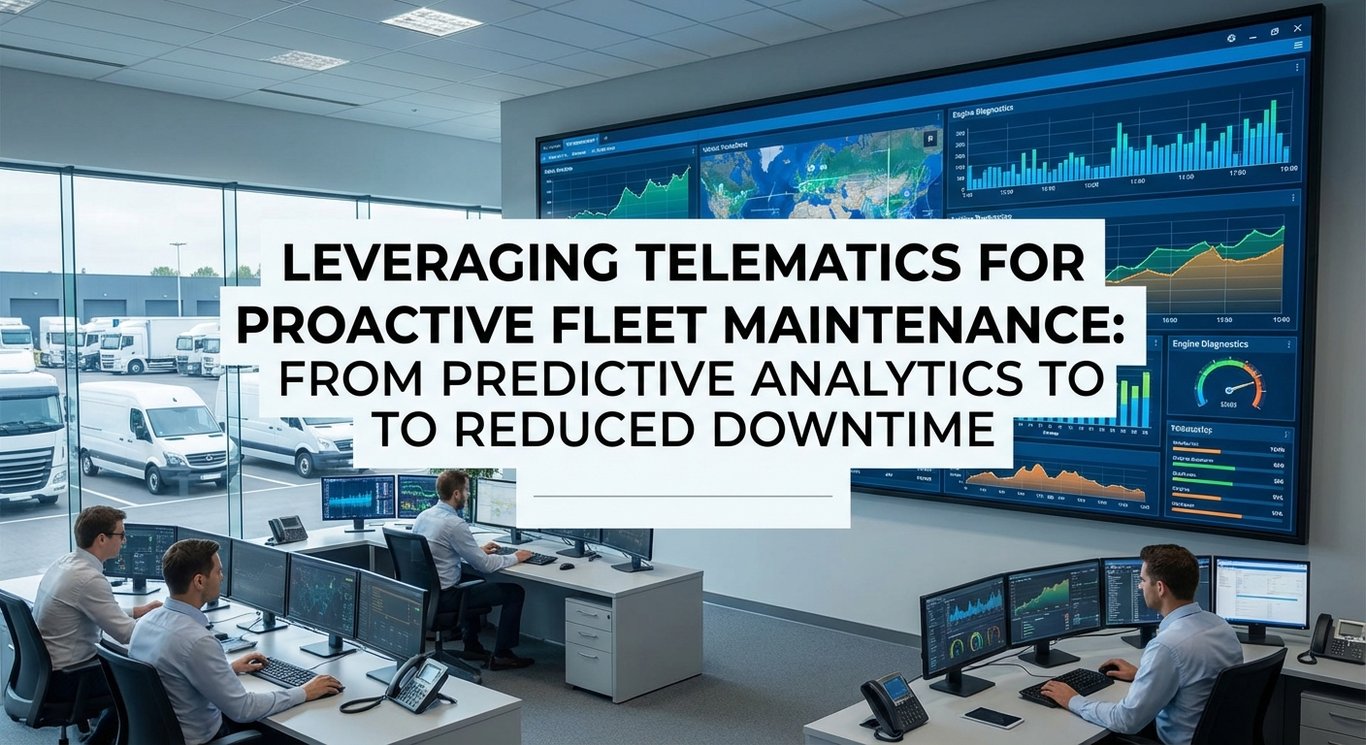
Fleet telematics acts like a nervous system for construction vehicles, combining GPS technology with on-board diagnostics to track everything happening with your equipment. It is not just about knowing where a truck is; it involves monitoring fuel usage, engine health, and driver behavior in real-time. This technology forms the digital foundation for smarter, safer, and more efficient site management.
These systems work by pulling raw data directly from sensors on heavy equipment and sending it to a central software hub for analysis. Managers can instantly see if an excavator is idling too much, if a bulldozer is moving to the wrong zone, or if a vehicle is being used after hours. This constant stream of information turns heavy iron into smart data points, giving leaders a clear picture of asset allocation.
The immediate payoff of using telematics is a significant drop in wasted time and money for construction firms. By knowing exactly where every machine is and how it is performing, companies can cut down on unauthorized use and spot maintenance needs before a machine breaks down completely. These improvements lead to a smoother operation where equipment is ready to work exactly when the crew is. 🚜
The Essentials of Materials Management in Construction
Materials management is the art of ensuring the right supplies arrive at the job site safely and ready for installation. It involves a complex dance of tracking inventory levels, negotiating with suppliers for procurement, and scheduling deliveries around tight site constraints. Effective management ensures the crew has what they need without cluttering the workspace or causing safety hazards.
However, traditional methods often lead to headaches like overstocking expensive items or facing work stoppages due to missing parts. When materials arrive too early, they can get damaged by weather or stolen, but if they arrive late, the whole project schedule slips, costing thousands of dollars. Solving these logistical nightmares is crucial for keeping a project profitable and on time. 📉
Just-in-Time Construction: Principles and Advantages
Just-in-Time (JIT) construction is a strategy borrowed from manufacturing that focuses on delivering materials exactly when they are needed for installation. Instead of piling up weeks’ worth of lumber or steel on-site, deliveries are coordinated to match the immediate construction schedule. This approach keeps the site clean, reduces congestion, and keeps the workflow moving steadily.
Adopting JIT brings powerful financial and operational benefits, such as drastically reducing the costs associated with storing and securing materials. It minimizes waste because materials aren’t sitting around getting damaged by weather or accidents, which also helps free up cash flow for other parts of the business. Consequently, the project budget stays healthier throughout the build. 💰
“By analyzing engine performance data, the system can identify potential equipment issues before they escalate into major breakdowns. This allows you to schedule preventive maintenance interventions, minimizing downtime and associated costs.” -SimplyFleet
When compared to traditional inventory methods, JIT requires much tighter coordination but offers far greater agility. Old-school methods rely on “safety stock” that ties up capital and valuable physical space, whereas JIT relies on precise data and communication. Moving away from hoarding materials allows construction firms to operate leaner and faster.
Why Sync Fleet Telematics with Materials Management?
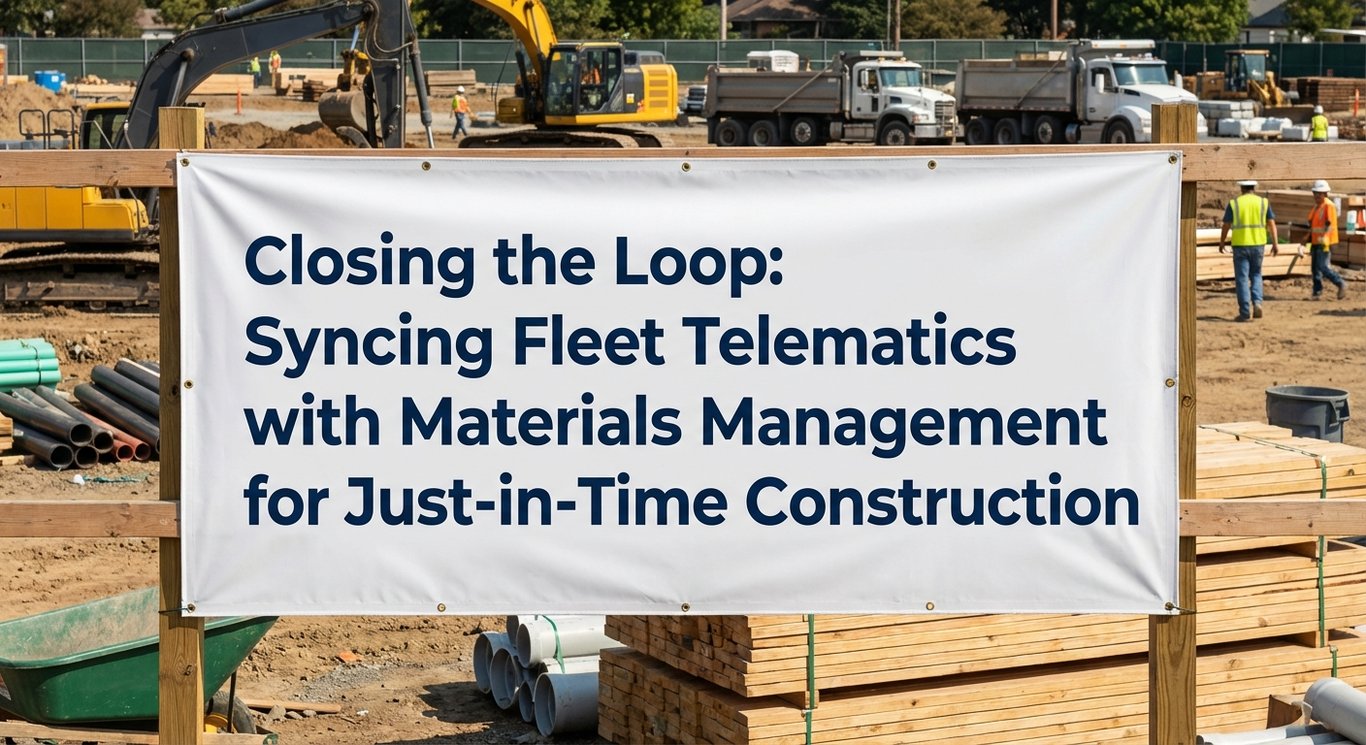
“Closing the loop” means breaking down the walls between the people managing the machines and the people buying the materials. By integrating fleet operations data with supply chain schedules, companies create a unified system where every part of the project talks to the other. This connection turns isolated departments into a single, efficient engine that drives the project forward.
The synergy comes from using real-time telematics data to predict exactly when materials should arrive based on the actual progress of the equipment. For example, if the telematics show the paving crew is ahead of schedule, the system can trigger the asphalt delivery sooner to prevent gaps in work. Leveraging this data ensures that materials meet the machines at the perfect moment. 🔄
Key Technologies for Integration
To make this work, construction sites need rugged telematics devices designed to handle dust, vibration, and tough weather conditions. These include advanced GPS trackers and open-platform hardware that can read complex engine data from various equipment brands. Reliable hardware is the first step in gathering trustworthy data from the field.
[cta-call:Call2]
Enterprise Resource Planning (ERP) systems act as the brain that connects the telematics body to the materials management arm. These software suites pull in the location and usage data from the fleet and cross-reference it with inventory and procurement modules. A good ERP makes complex data easy to understand and act upon for everyone involved.
“Lunar increased utilization by 18%. This translated to taking on additional projects without needing to rent equipment, generating an estimated annual revenue increase of $750,000.” -SimplyFleet
The glue that holds these systems together includes Application Programming Interfaces (APIs) and cloud-based dashboards. These tools allow different software programs to sync in real-time, giving project managers a live view of the entire operation on a tablet or phone. With cloud technology, decision-makers can access critical insights from anywhere. ☁️
Step-by-Step Guide to Syncing Systems
The first step is to honestly assess your current fleet and materials systems to see where the gaps are. You need to identify which software is currently being used and find the specific points where integration could solve a problem. Understanding your starting point is essential for building a bridge between the two worlds.
Next, select telematics and ERP providers that are known for being compatible and offer features specifically for construction. It is important to choose vendors that allow open integration so you aren’t stuck with a system that refuses to “talk” to others. Picking the right partners ensures a smoother technical setup.
Once the tools are chosen, the technical team must implement data mapping to link equipment usage with material demands. This involves setting up rules, such as ensuring that when a crane logs into a specific zone, the system checks the delivery schedule for that area. Proper mapping ensures the data flows logically and triggers the right actions.
Finally, test the new integrations with a small pilot project before rolling it out to the whole company. During this phase, train your teams on how to use the unified dashboards so they understand how to read the new data. A successful pilot builds confidence and irons out bugs before they affect major projects. 🛠️
“ERP integration connects telematics and asset management platforms with accounting systems, allowing equipment usage, job codes, internal…” -Nektar
Real-World Case Studies and ROI Examples
Real-world examples show the power of this tech, such as Lunar Constructions, which saw a massive boost in efficiency after adopting telematics. By tracking their assets closely, they achieved an 18% increase in equipment utilization, which helped them generate substantial annual benefits estimated at over $850,000. This proves that knowing where your gear is translates directly to profit.
Other companies have successfully integrated ERP systems with telematics to automate maintenance scheduling and improve job costing. Instead of guessing how much a job cost in fuel and wear-and-tear, the system automatically allocates those expenses to the specific project code. This level of accuracy helps in bidding more competitively for future work.
When calculating the Return on Investment (ROI), the numbers are often very encouraging for construction business owners. Typical results include a fuel savings reduction of around 12% and a cut in maintenance costs by up to 15% due to preventative alerts. These savings quickly pay for the cost of the technology implementation. 💸
Overcoming Common Integration Challenges
Despite the benefits, companies often face hurdles like data silos where information gets stuck in one department, or software compatibility issues. There is also frequently a human element, where staff might resist changing the way they have done things for years. Acknowledging these roadblocks is the first step to clearing them.
To overcome these issues, it is best to use a phased rollout strategy rather than changing everything overnight. Leaning on vendor support for technical glitches and investing heavily in staff training will help the team feel comfortable with the new tools. Patience and education are key to successful adoption.
“Geotab offers construction fleets a better way to manage, utilize and maintain their assets with telematics, including reducing idling with real-time alerts – saving your bottom line.” -Geotab
Measuring Success: KPIs for JIT Operations
To know if the integration is working, you must track specific Key Performance Indicators (KPIs) like on-time material delivery rates. Other vital metrics include monitoring equipment idle time and how fast inventory turns over on the site. These numbers tell the true story of your operational efficiency. 📊
Using integrated dashboards allows managers to view these KPIs in real-time for ongoing performance tracking. Instead of waiting for end-of-month reports, you can see daily trends and make quick adjustments to keep the project on track. Continuous monitoring ensures the system keeps delivering value.
Future Trends in Telematics-Materials Sync
The future of this technology lies in Artificial Intelligence (AI) that can offer predictive analytics for material needs. Imagine a system that learns from past projects to order materials automatically before a human even realizes they are running low. This shift will move construction from reactive to proactive management. 🤖
We will also see an expansion of the Internet of Things (IoT) and blockchain technology to create transparent supply chains. Blockchain can provide an unchangeable record of where materials came from and when they arrived, reducing disputes and fraud. These advancements will make the construction industry more trustworthy and efficient.
FAQ
What is fleet telematics in construction?
Fleet telematics in construction refers to installing devices on heavy equipment to gather real-time data. This data includes the machine’s GPS location, how many hours it has run, fuel consumption, and maintenance alerts, giving managers full visibility.
How does just-in-time construction work with materials management?
Just-in-Time construction works with materials management by scheduling deliveries to arrive exactly when the crew is ready to install them. This coordination reduces the need for on-site storage, lowers the risk of damage, and keeps the job site safer and less cluttered.
What are the benefits of integrating telematics with ERP systems?
Integrating telematics with ERP systems offers benefits like automated maintenance scheduling and precise job costing. It streamlines operations by allowing different departments to share data instantly, leading to better decision-making and higher operational efficiency.
Which KPIs should be tracked after syncing systems?
After syncing systems, you should track KPIs such as equipment utilization rates and fuel efficiency. It is also critical to measure material delivery timeliness and inventory turnover to ensure the JIT process is working correctly.
How long does it take to see ROI from these integrations?
Many companies start seeing a positive ROI within the first year of integration. The combination of fuel savings, reduced maintenance costs, and the ability to take on more projects leads to quick financial recovery of the initial investment.
Conclusion
Closing the loop between fleet telematics and materials management is a transformative step for modern construction companies aiming for Just-in-Time efficiency. By merging the movement of machines with the flow of materials, businesses can eliminate bottlenecks and significantly reduce operational costs. This synchronization creates a rhythm on the job site that saves both time and money.
The key takeaways are that real-time data syncing optimizes how assets are allocated and enables predictive maintenance to stop problems before they start. Furthermore, this integration reduces waste and boosts profitability, and while challenges exist, they can be overcome with planning and measurable KPIs. A data-driven approach is the new standard for success.
Start your journey to Closing the Loop: Sync Fleet Telematics with Materials Management for Just-in-Time Construction today by auditing your current systems, selecting compatible telematics and ERP solutions, and piloting an integration on your next project to unlock substantial ROI and operational excellence. 🚀