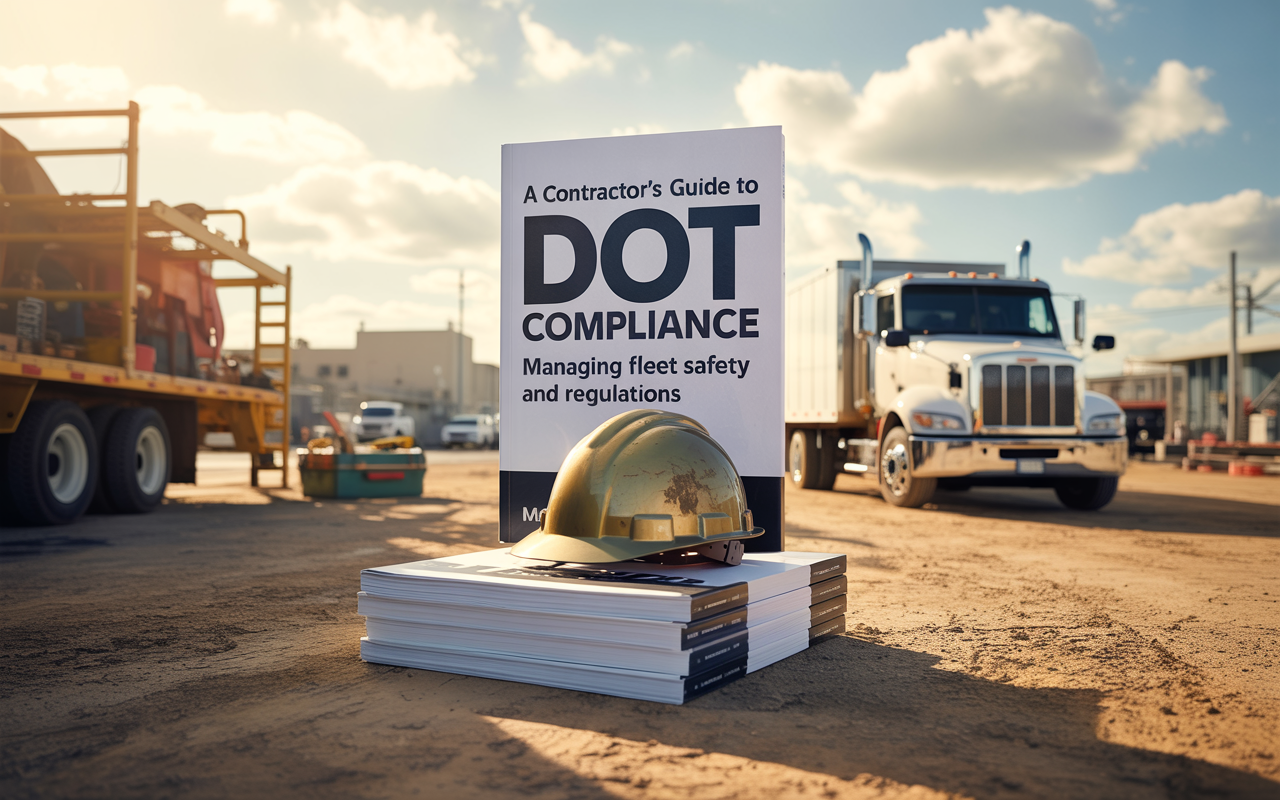
A Contractor’s Guide to DOT Compliance: Managing Fleet Safety and Regulations
Introduction to DOT Compliance for Contractors
For contractors managing fleets, understanding DOT compliance is essential to running a safe and legally sound operation. The Department of Transportation (DOT) sets regulations that govern commercial motor vehicles (CMVs), ensuring they meet safety standards to protect drivers, passengers, and the public. These rules are enforced by the Federal Motor Carrier Safety Administration (FMCSA), which plays a key role in monitoring fleet operations and penalizing non-compliance. Staying informed about these regulations is the first step toward avoiding costly fines and maintaining operational credibility. 🚧
By adhering to DOT guidelines, contractors can ensure their fleets operate efficiently while minimizing risks. Compliance not only protects your business from legal trouble but also fosters trust with clients who rely on your services. As we dive deeper into this guide, you’ll learn how DOT compliance impacts various aspects of fleet management, from driver qualifications to vehicle maintenance. Let’s explore how the DOT shapes the transportation landscape and why it matters for contractors like you. 🚛
Who Needs to Comply with DOT Regulations?
Not every contractor needs to comply with DOT regulations, but those operating certain types of commercial motor vehicles must take notice. Vehicles exceeding a gross vehicle weight rating (GVWR) of 10,001 pounds, transporting hazardous materials, or carrying more than eight passengers for compensation fall under DOT jurisdiction. If your fleet meets any of these criteria, obtaining a USDOT number is mandatory. This unique identifier allows the FMCSA to track your compliance status and ensures your operations align with federal standards. 💼
Key DOT Compliance Safety Regulations
Hours of Service (HOS) regulations are among the most critical components of DOT compliance. These rules dictate how long drivers can operate without rest breaks and set daily and weekly driving limits to prevent fatigue-related accidents. To enforce HOS, contractors must equip their vehicles with Electronic Logging Devices (ELDs), which track driving hours automatically. Only FMCSA-approved ELDs are permitted, so it’s crucial to verify compliance before installation. With proper use, ELDs simplify record-keeping and reduce the risk of violations. ⏰
Driver qualifications and training are equally important for maintaining DOT compliance. Drivers must hold valid Commercial Driver’s Licenses (CDLs) and pass medical examinations to demonstrate fitness for duty. Ongoing training programs help reinforce knowledge of safety protocols and regulatory updates. Keeping accurate records of driver qualifications is vital, as these documents may be requested during audits. Well-trained drivers contribute to safer roads and fewer incidents, benefiting both contractors and the public. 📋
“DOT requirements include a variety of safety compliance initiatives such as meeting driver qualifications, following material regulations, and keeping up on inspections and fleet maintenance.” -IntelliShift
Vehicle maintenance and inspections are fundamental to preventing breakdowns and accidents. Regular inspections-such as pre-trip, en-route, and post-trip checks-ensure vehicles remain in top condition. These inspections cover critical areas like brakes, tires, lights, and fluid levels. Neglecting maintenance can lead to costly repairs, downtime, and even accidents. By prioritizing vehicle upkeep, contractors demonstrate their commitment to safety and compliance while extending the lifespan of their fleet. 🔧
“DOT compliance encompasses a wide range of safety regulations designed to cover every aspect of CMV operation.” -CMS Safety Management
Drug and Alcohol Screening
Implementing drug and alcohol screening programs is another pillar of DOT compliance. Contractors must conduct random tests, reasonable suspicion tests, and post-accident screenings to detect substance abuse among drivers. Commonly tested substances include marijuana, cocaine, amphetamines, and opioids. When positive results occur, specific procedures must be followed to address the situation appropriately. A robust screening program not only ensures compliance but also promotes a culture of accountability within your workforce. 🩺
“The DoT mandates pre-trip, en-route, and post-trip inspections to identify and address mechanical issues promptly. Failure to comply… can result in fines and penalties.” -CMS Safety Management
Hazardous Materials Regulations
Transporting hazardous materials requires strict adherence to safety precautions. Proper training, classification, and packaging are essential to minimize risks during transit. Drivers and personnel handling these materials must understand labeling requirements and emergency response protocols. Failure to comply with hazardous materials regulations can result in severe penalties, including fines and suspension of operations. Prioritizing safety in this area protects both your team and the environment. ⚡
“All these records must be kept in the driver’s qualification (DQ) file before operating any type of CMV.” -HUB International
Training is particularly crucial for anyone involved in hazardous materials transport. From drivers to warehouse staff, everyone should know how to identify hazards, handle emergencies, and complete necessary documentation. Required paperwork includes shipping manifests, placards, and certification records. Investing in comprehensive training programs ensures your team is prepared to meet regulatory demands while safeguarding against potential disasters. 📚
“New regulations under the electronic logging device (ELD) mandate require the use of ELDs to track HOS. An ELD must connect to the engine to record motion status, miles driven, and engine hours among other specifications.” -IntelliShift
Cargo Securement Regulations
Proper cargo securement is vital to preventing accidents caused by shifting loads. Regulations specify requirements for tie-downs, front-end structures, and load distribution to ensure stability during transport. Drivers must also avoid obscuring views or creating imbalances that could compromise safety. Adhering to these guidelines reduces the likelihood of cargo-related incidents and keeps your fleet compliant with DOT standards. 📦
“A copy of the signed receipt for the company’s drug and alcohol policy…pre-employment drug test…entry-level driver training certificate…” -HUB International
Record Keeping and Documentation
Maintaining accurate records is a cornerstone of DOT compliance. Contractors must document proof of insurance, vehicle inspections, driver qualifications, and drug screening results. These records provide evidence of adherence to regulations and are often reviewed during audits. Digital record-keeping systems offer an efficient way to organize and store this information securely. By staying organized, contractors can streamline compliance efforts and reduce administrative burdens. 📂
“Employers must maintain accurate records of driver qualifications and training to demonstrate compliance.” -CMS Safety Management
Technology has revolutionized record keeping, making it easier than ever to stay compliant. Digital solutions automate data collection, generate real-time reports, and simplify audit preparation. Investing in fleet management software not only enhances efficiency but also demonstrates a proactive approach to compliance. With digital tools at your disposal, managing DOT requirements becomes less daunting and more manageable. 💻
“A compliance review is the process for determining whether a contractor or subcontractor working on a construction site with federal funds is meeting EEO/AA program requirements.” -Iowa DOT
Obtaining Licenses and Permits
To operate legally, contractors must obtain the appropriate licenses and permits. This includes registering for a USDOT number and securing commercial driver’s licenses for qualified operators. State-specific requirements may vary, so it’s essential to research local regulations. Ensuring all credentials are up-to-date prevents disruptions and keeps your business running smoothly. 🏢
“Drivers must meet specific qualifications and undergo comprehensive training to ensure they’re fit for the job…” -CMS Safety Management
Strategies for Ensuring DOT Compliance
Implementing ongoing training programs is one of the best ways to promote DOT compliance. Educating drivers and staff on current regulations reinforces good habits and reduces the risk of violations. Training sessions can cover topics like HOS rules, vehicle inspections, and hazardous materials handling. A well-informed team is better equipped to navigate challenges and maintain high safety standards. 🎓
“Noncompliance with these rules can result in hefty penalties, negative audits, poor safety ratings and project disruptions, which can also impact insurance costs.” -HUB International
Conducting regular audits helps identify gaps in compliance before they become major issues. Internal reviews allow contractors to assess policies, procedures, and documentation for accuracy. Leveraging technology, such as fleet management software, simplifies this process by providing detailed insights and tracking compliance metrics. Proactive measures like these ensure your operation remains aligned with DOT expectations. ✅
“Some states also require you to register for a USDOT number.” -IntelliShift
FAQs on DOT Compliance for Contractors
Q: What is the purpose of DOT compliance?
A: The purpose is to enforce safety measures and reduce driving incidents.
Q: Who needs to comply with DOT regulations?
A: Those operating CMVs with specific criteria, such as transporting hazardous materials or exceeding a certain weight capacity.
Q: What are the consequences of non-compliance?
A: Non-compliance can lead to fines and penalties, impacting operational legitimacy.
Q: How do ELDs help with compliance?
A: ELDs track hours of service to ensure compliance with HOS regulations.
Q: What documentation is required for DOT compliance?
A: Required documents include driver qualifications, vehicle inspections, and drug screening records.
Conclusion
Understanding and implementing DOT compliance is crucial for contractors managing fleets. By adhering to regulations, businesses can enhance safety, avoid penalties, and build trust with clients. Investing in training programs and leveraging technology solutions will position your operation for long-term success. Take action today to ensure your fleet operates safely and efficiently. 🌟
The future of fleet management depends on staying ahead of regulatory changes and maintaining a strong commitment to safety. Proactive compliance management not only safeguards your business but also boosts operational efficiency and legal protection. As new technologies emerge, embrace them to simplify processes and keep your fleet compliant. Your dedication to safety will pay off in dividends, ensuring a brighter future for your contracting business. 🚀