Introduction to Construction Waste Management for Contractors
Construction and demolition (C&D) waste refers to the debris generated during the construction, renovation, and demolition of buildings, roads, and bridges. For contractors, managing this waste is no longer just about renting a dumpster and hauling it away; it is a critical component of project management that directly affects the bottom line, project timelines, and professional reputation. When waste is handled poorly, it can lead to safety hazards, cluttered job sites, and unexpected disposal fees that eat into profit margins. Conversely, an effective waste management strategy streamlines operations, keeps the site safe for workers, and ensures that valuable materials are recovered rather than buried in a landfill 🏗️.
In today’s market, clients and regulatory bodies have increasing expectations regarding sustainability and environmental responsibility. Many municipalities now enforce strict diversion ordinances, and project owners often require green building certifications like LEED, which demand rigorous waste tracking. By prioritizing better waste management, contractors can ensure compliance with these evolving rules while simultaneously uncovering opportunities for cost reduction. Ultimately, mastering this aspect of construction provides a competitive advantage, demonstrating to clients that a contractor is efficient, responsible, and forward-thinking.
Understanding Construction Waste Streams and Classifications
To manage waste effectively, contractors must first understand the different categories of materials they will encounter. Major construction waste streams generally fall into classifications such as general construction waste, C&D debris, clean fill, inert materials, and hazardous waste. General waste might include packaging and trash, while C&D debris covers the bulk of building materials. Inert materials, like dirt and rock, often have different disposal rules compared to hazardous waste, such as asbestos or lead-based paint, which require strict handling protocols to prevent environmental contamination. Understanding these distinctions is the first step in avoiding costly contamination fines.
On a typical job site, the volume of material generated can be staggering. Common materials include concrete, bricks, metals (steel, copper, aluminum), untreated wood, drywall, glass, and cardboard packaging. Fortunately, many of these materials are highly recyclable or reusable. For instance, concrete and asphalt can be crushed and used as aggregate, metals can be sold to scrap yards for a return on investment, and cardboard is easily recycled. Identifying these materials early allows the project team to plan for their specific removal paths rather than treating everything as garbage ♻️.
Consequently, proper segregation at the source becomes a critical operational tactic. When recyclable materials are mixed with trash or hazardous substances, they often become contaminated and unrecyclable, forcing the contractor to pay higher landfill tipping fees. By separating materials into dedicated bins right on the job site, contractors ensure they meet regulatory compliance standards and maximize the economic benefits of diversion. This simple step of sorting is often the difference between paying to dispose of waste and getting paid for scrap material.
Regulatory Requirements and Compliance Obligations for Contractors
Navigating the web of federal, state, and local regulations is a major responsibility for modern contractors. At the federal level, regulations often focus on hazardous materials, but state and local governments typically drive C&D diversion rules. These local ordinances often mandate that a specific percentage of job site debris be diverted from landfills through recycling or reuse. Furthermore, solid waste rules dictate how materials must be transported and where they can be legally dumped, meaning contractors must be vigilant about where their haulers are taking the debris.
Common ordinance requirements frequently include minimum recycling or diversion rates, often ranging from 50% to 75% depending on the jurisdiction. To prove compliance, contractors are usually required to use approved facilities and submit detailed documentation. This paperwork often includes waste management plans submitted before the permit is issued, followed by weight tickets and diversion reports required for final inspection or permit closeout. Failing to provide this documentation can result in the withholding of the certificate of occupancy, delaying the project handover and payment.
It is important to clarify that while the property owner may ultimately hold the liability, the general contractor is usually the one operationally responsible for compliance. This means the general contractor must ensure that all subcontractors-from framers to drywallers-adhere to the project’s recycling and disposal requirements. If a subcontractor throws trash into a “clean wood” dumpster, the general contractor is the one who faces the contamination fees and potential regulatory fines. Therefore, clear communication of these obligations is essential 📋.
Developing an Effective Construction Waste Management Plan
A Construction Waste Management Plan (CWMP) is a strategic document that outlines how waste will be handled throughout the lifecycle of a project. Many project owners, green building programs, and government agencies now require a CWMP as part of the standard contract documents. This plan serves as a roadmap, ensuring that the project team is aligned on sustainability goals and legal requirements before the first shovel hits the ground. Without a plan, waste handling becomes reactive and chaotic, leading to higher costs and missed diversion opportunities.
A practical CWMP should include several key elements to be effective. First, it must establish clear waste reduction goals, such as a specific diversion percentage. Second, it needs to estimate the types and volumes of waste the project will generate. Third, the plan must detail the on-site logistics, including the separation methods (commingled vs. source-separated) and where dumpsters will be placed. Finally, it must assign clear roles and responsibilities, designating who on the project team is accountable for monitoring the bins and coordinating pickups.
“Construction site waste may include materials such as wood, concrete, metal, drywall, plastic, cardboard, pallets and hazardous materials, all of which must be managed to protect water quality and reduce landfill waste.”[1] -Town of Fletcher, NC Contractor’s Guide for Construction Site Waste Management
Incorporating regulatory requirements and client goals into the plan must happen during the preconstruction phase. This involves researching local recycling facilities to ensure they accept the materials the project will produce and verifying their diversion rates. If the client is pursuing a certification like LEED, the plan must explicitly state how the necessary data will be captured. By addressing these factors early, contractors can build waste management costs accurately into their bids, preventing budget surprises later in the project.
Once construction begins, the plan must be a living document rather than a file gathering dust. Contractors need to track progress against the plan by collecting hauler tickets, reviewing diversion reports, and maintaining internal logs. If the data shows that the project is falling behind its diversion targets, the team can adjust strategies, such as adding more signage or retraining crews. Regular monitoring allows the contractor to control costs proactively and ensures the final reporting process is smooth and stress-free 📉.
On-Site Practices: Segregation, Storage, and Handling
The physical setup of the job site plays a huge role in the success of a waste management program. Best practices suggest siting waste storage areas in easily accessible locations that do not interfere with the flow of traffic but are close enough to the work areas to encourage use. Containers should be sturdy, clearly labeled, and covered to prevent lightweight debris from blowing away and to keep rain out. Maintaining safe and compliant storage is essential to prevent environmental spills and to ensure that the site remains navigable for workers and machinery.
[cta-call:Call2]
When it comes to sorting, contractors typically choose between source-separated or commingled systems. Source-separation involves having dedicated bins for specific materials like wood, metal, and concrete, which typically yields the highest recycling rebates and lowest disposal fees. However, on tight urban sites with limited space, a commingled system-where all recyclables go into one bin to be sorted off-site-might be the only option. To make segregation easy for crews, successful contractors use color-coded bins and clear, picture-based signage that overcomes language barriers.
To keep these systems working, regular inspection routines are necessary. Site superintendents should include waste areas in their daily walks, checking for contamination in recycling bins and ensuring the area is tidy. Good housekeeping is not just about aesthetics; it prevents trip hazards and fire risks. If problems are found, immediate corrective actions, such as removing the contaminant or holding a quick toolbox talk, help keep the waste area orderly and compliant throughout the duration of the project 🧹.
Cost Reduction Strategies Through Waste Minimization and Diversion
The most effective way to reduce waste disposal costs is to prevent waste from being generated in the first place. Waste prevention strategies include accurate estimating to avoid over-ordering materials and utilizing “just-in-time” delivery to reduce the risk of materials being damaged while stored on-site. Additionally, using modular design elements or pre-fabricated components can significantly cut down on the amount of scrap produced during installation. Value engineering discussions during preconstruction can also identify material choices that generate less waste or are easier to recycle.
“General construction waste collection, handling, transportation and disposal is regulated by the DEQ Solid Waste Management regulations, and personnel are responsible for maintaining waste disposal records to quantify off-site disposal.”[3] -University of Virginia SOP: Contractor Construction Waste Management
Beyond prevention, contractors can generate actual revenue or savings by managing high-value waste streams intelligently. Reusing materials on-site, such as grinding concrete for fill or salvaging doors and fixtures, eliminates the need to purchase new materials. Furthermore, recycling streams like scrap metal often come with rebates that can offset other project costs. Even for materials without a rebate, recycling facilities often charge lower tipping fees for clean, separated loads of concrete or wood compared to mixed trash, resulting in direct savings.
When bidding on a project, it is crucial to compare the cost implications of landfilling versus diversion options. While renting multiple dumpsters for source separation might seem more expensive upfront due to rental fees, the “anticipated net cost” is often lower because of the savings on tipping fees and potential scrap income. Contractors should analyze local facility rates to determine the break-even point. This financial analysis ensures that the chosen waste strategy is not only environmentally sound but also the most economical choice for the project.
Finally, documenting these cost savings and diversion successes is a powerful tool for future business development. By tracking the data, contractors can build a portfolio of case studies showing how they saved money and met sustainability targets. This data strengthens future bids, allowing the contractor to market themselves as a cost-efficient and environmentally responsible partner. In an industry where margins are tight, demonstrating the ability to control waste costs can be the deciding factor in winning a contract 🏆.
Working with Haulers, Recyclers, and C&D Facilities
Selecting the right partners is essential for a successful waste management strategy. When contracting with debris box companies and haulers, contractors must verify that the providers have the necessary permits to operate in the jurisdiction. It is also vital to clarify exactly what materials they accept and what their contamination limits are to avoid unexpected “rejected load” fees. Furthermore, the hauler must be capable of providing the specific reporting data required for the project, such as weight tickets and monthly diversion summaries.
Contractors must also decide between using commingled C&D recycling facilities versus multiple dedicated recyclers. Commingled facilities offer convenience, as they accept mixed loads and sort them at their plant, which simplifies site logistics and requires less crew training. However, this convenience often comes at a higher price per ton. Conversely, working with dedicated recyclers for specific streams like metal or concrete usually requires more coordination but offers lower costs and better diversion rates. The choice depends on the project’s specific constraints and budget.
Regardless of the chosen method, accountability is key. Contractors should require receipts and weight tickets for every load that leaves the site. These documents are the only proof that the waste was disposed of legally and properly. Without them, a contractor cannot verify the performance of the hauler or prove compliance to the client and local inspectors. Establishing a routine where these tickets are collected and filed immediately ensures that the project remains audit-ready at all times.
“Specifications can require a construction waste management plan that covers on-site storage and logistics and sets diversion goals, with financial impacts on the contractor if diversion targets are not met.”[2] -Zero Waste Design Guidelines: C&D Waste Best Practice Strategies
Training Crews and Managing Subcontractor Compliance
Even the best waste management plan will fail if the people working on the site don’t understand it. To ensure success, waste management expectations must be integrated into subcontract agreements before the work begins. By making compliance a contractual obligation, the general contractor sets a clear standard. These requirements should be reinforced during site orientations and preconstruction meetings, ensuring that every trade understands their specific responsibilities regarding waste handling and separation.
Practical training methods are essential for keeping these standards top-of-mind. Regular toolbox talks are a great opportunity to remind crews about what goes in which bin and to address any recurring issues. Visual aids, such as posters showing examples of acceptable and unacceptable materials, should be posted near the dumpsters and in break areas. Consistent reminders help create a culture where proper waste disposal is seen as part of the job, not an extra hassle.
Finally, enforcement and accountability measures are necessary to maintain compliance. Site superintendents should perform spot checks on dumpsters and trace contamination back to the responsible trade. If a subcontractor consistently violates the rules, corrective actions-such as back-charging for contamination fees-may be necessary. However, positive reinforcement is also powerful; recognizing crews or trades that do a good job with waste separation can boost morale and encourage others to follow suit 👷.
Documentation, Reporting, and Audit Readiness
In the world of construction compliance, if it isn’t written down, it didn’t happen. Contractors must maintain a comprehensive set of documentation, including the initial waste management plan, all hauler receipts, weight tickets, and facility diversion reports. Photos of the waste storage areas and the contents of the dumpsters can also serve as valuable evidence of compliance. Internal tracking logs that summarize this data on a monthly basis help the team stay organized and spot trends.
Organizing these records systematically is crucial for satisfying local ordinance requirements and owner specifications. For projects pursuing green building certifications like LEED, the documentation requirements are particularly stringent and specific. Keeping records organized by month or by material type in a central digital folder ensures that the team is ready for potential audits at any moment. This level of organization prevents the frantic scramble for paperwork at the end of the job when the team is trying to close out the permit.
Beyond compliance, using these records to review performance after project closeout is a valuable business practice. By analyzing the data, contractors can see where their estimating assumptions differed from reality and identify areas for improvement. This feedback loop allows the company to refine its future waste management strategies and cost projections, leading to more accurate bids and better margins on future projects. Data-driven decision-making turns waste management from a chore into a strategic asset.
“Industry statistics show that about 15% of construction waste is recycled or reused, while federal goals call for diversion rates of 60%, making meticulous planning crucial to close the gap.”[5] -Prime Dumpster: Contractor’s Guide to Waste Management Permits
Digital Tools and Technology for Construction Waste Management
The construction industry is increasingly adopting digital solutions to solve old problems, and waste management is no exception. Modern digital tools, such as construction management platforms, mobile apps, and cloud-based document systems, have revolutionized how waste is tracked. These tools allow field staff to upload photos of tickets and dumpsters directly from their smartphones, instantly syncing the data with the office. This real-time coordination with haulers and facilities eliminates lost paperwork and ensures that the project team always has an up-to-date view of their diversion status 📱.
Furthermore, advanced data analytics can take this information a step further. By aggregating data on waste volumes, diversion rates, and disposal costs across multiple projects, companies can identify patterns and inefficiencies. For example, analytics might reveal that a specific subcontractor consistently generates more waste than estimated, or that a certain hauler is overcharging. These insights reveal savings opportunities and support continuous improvement, allowing the company to optimize its operations and reduce its environmental footprint over time.
Risk Management: Safety, Environmental, and Legal Considerations
Poor waste management is a significant safety risk on any construction site. Piles of debris can block egress routes in the event of an emergency, create trip hazards for workers, and increase the fuel load for potential fires. Additionally, improper storage of hazardous materials can lead to exposure risks for the crew. By maintaining a clean, organized site with proper storage containers, contractors significantly mitigate these physical risks, creating a safer working environment for everyone.
Environmental risks are also a major concern. If waste is not contained properly, it can lead to stormwater contamination, where rain washes pollutants from the debris into local waterways. Dust from uncontained rubble can affect air quality and annoy neighbors. Furthermore, illegal dumping-whether intentional or due to hiring an unvetted hauler-can lead to severe environmental damage. strict adherence to compliant waste practices protects the surrounding community and shields the contractor from liability.
The legal and financial consequences of non-compliance can be devastating. Contractors who fail to meet diversion ordinances or handle hazardous waste correctly face hefty fines, stop-work orders, and failed inspections that delay project completion. Beyond the immediate financial hit, these incidents damage a contractor’s reputation, making it harder to win future work. Therefore, robust waste management is not just a “nice to have”-it is a business necessity that protects the company from legal exposure and financial loss ⚖️.
Frequently Asked Questions About Construction Waste Management for Contractors (FAQ)
Balancing compliance with cost reduction is a common challenge, and contractors often have specific questions about how to make waste management work in the real world. The following section provides quick, practical answers to the most frequently asked questions, helping you navigate the complexities of regulations, logistics, and subcontractor management.
1. What percentage of construction waste should my project be diverting from landfill?
The required diversion percentage varies significantly depending on the location of your project and the specific program requirements. Generally, many local ordinances and green building codes, such as CALGreen or LEED, expect a diversion rate of anywhere from 50% to 75%. Some aggressive jurisdictions or specific project types may even require higher rates, aiming for “zero waste” goals. It is critical to consult the specific municipal code for the city where you are building.
To ensure you are on the right track, always check the local building codes and the owner’s project specifications during the bid phase. Once you know the requirements, you can set realistic internal targets. It is often wise to aim slightly higher than the minimum requirement to create a buffer for any unforeseen issues. Setting these targets early helps drive cost-effective performance by allowing you to plan for the necessary bins and haulers.
2. How do I create a construction waste management plan if I’ve never done one before?
Creating a Construction Waste Management Plan (CWMP) is straightforward if you follow a step-by-step approach. Start by identifying the waste streams you expect to generate, such as concrete, wood, and metal. Next, choose your separation methods-will you separate on-site or use a commingled facility? Then, select your haulers and recycling facilities, ensuring they can provide the necessary documentation. finally, set your diversion goals and define who on your team is responsible for tracking the process.
You don’t have to start from scratch. Many municipalities and industry organizations provide free templates that you can download and adapt. Owner specifications often include a sample form as well. Use these templates as a starting point and tailor them to the specific scale and complexity of your project. This ensures you cover all the bases without reinventing the wheel.
3. Is it cheaper to recycle construction waste than to send it to landfill?
In many cases, yes, recycling is cheaper than landfilling. While there may be some added coordination costs or rental fees for extra bins, recycling high-volume materials like concrete and metal avoids the high tipping fees associated with general landfills. Furthermore, some materials, like scrap metal, can actually generate revenue that offsets other costs. This approach reduces the total project cost by turning waste into a resource.
However, cost-effectiveness does depend on local market conditions and the availability of recycling facilities near your job site. It is important to compare bids from different haulers and evaluate the “anticipated net cost” during your preconstruction planning. By factoring in potential savings from diversion, you can make an informed financial decision that benefits both your budget and the environment.
4. How do I ensure my subcontractors follow the project’s waste management requirements?
The most effective way to ensure compliance is to embed the requirements directly into your subcontracts. When waste management is a contractual obligation, subcontractors take it seriously. Reinforce these requirements through mandatory site orientations, regular toolbox talks, and clear, color-coded signage on all dumpsters. Regular communication ensures that everyone knows what is expected of them from day one.
Monitoring is also key. Perform regular inspections of the waste bins and take photos of any contamination. If a subcontractor is not following the rules, provide immediate feedback and require corrective action. Using a mix of accountability for poor performance and positive recognition for those who do it right helps maintain consistent behavior on-site.
5. What documentation do I need for final inspection or green building certification?
For final inspections or certifications like LEED, you will typically need a comprehensive package of documents. This includes your signed waste management plan, weight tickets for every load hauled from the site, receipts from recycling facilities, and a final diversion summary report. Some local jurisdictions may also have specific forms that must be signed and submitted.
Keeping these records organized is essential. They serve as the verification that you met the required diversion percentages and complied with all regulations. Without organized records, you may face delays in permit closeout or fail to achieve the desired green building certification. Maintaining a digital log throughout the project makes this final step much easier.
Conclusion: Turning Waste Management into a Competitive Advantage
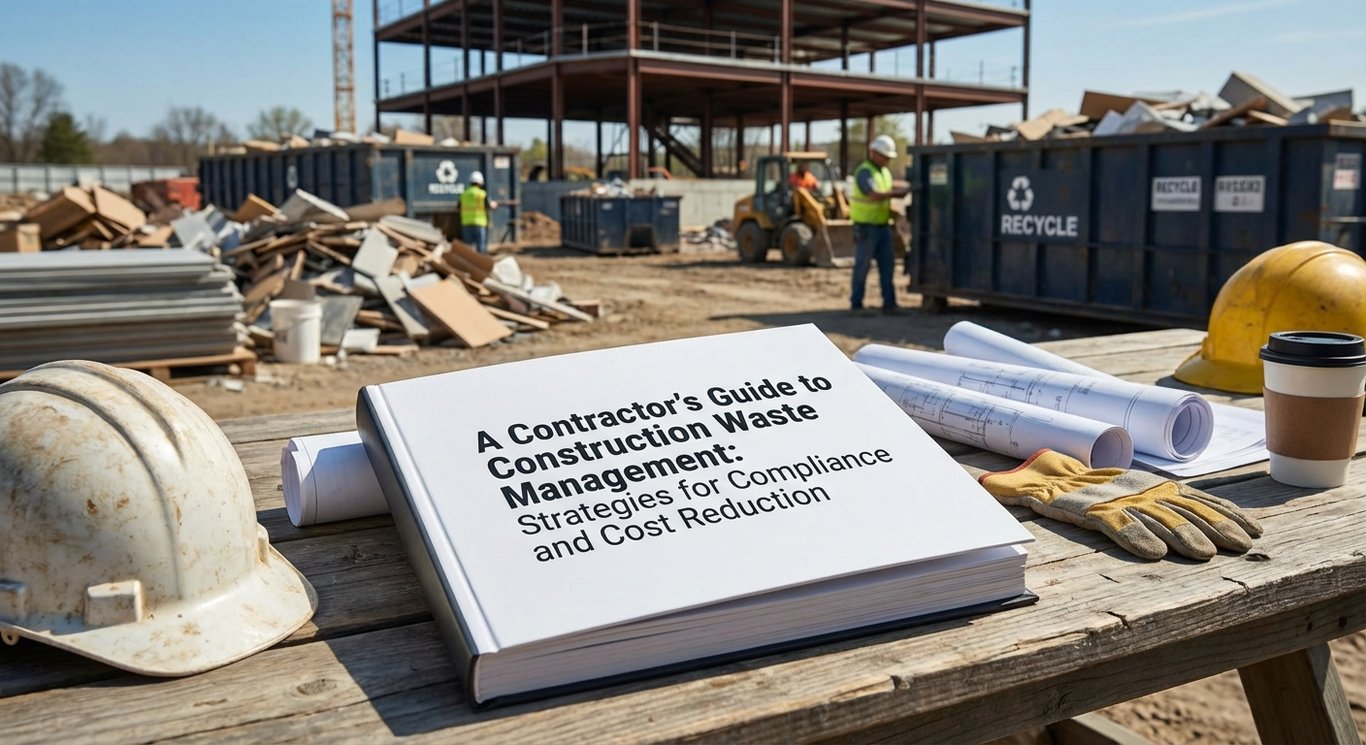
In summary, “A Contractor’s Guide to Construction Waste Management: Strategies for Compliance and Cost Reduction” highlights that effective waste handling is a fundamental aspect of modern construction. By understanding the different waste streams, planning early, and strictly enforcing on-site best practices, contractors can achieve stronger compliance, significantly lower disposal costs, and maintain safer, cleaner job sites. It is clear that waste management is not merely an environmental obligation imposed by regulators; it is a strategic lever that protects profit margins and strengthens relationships with clients who value sustainability.
Now is the time to take action. Apply the strategies from “A Contractor’s Guide to Construction Waste Management: Strategies for Compliance and Cost Reduction” to your next project. Start by developing or updating a standard waste management plan template for your company. Engage with haulers and recyclers before mobilization to secure the best rates, train your crews and subcontractors on proper sorting techniques, and rigorously track your performance data. By using the insights from each completed project to refine your processes, you can turn construction waste management into a consistent source of cost savings, risk reduction, and competitive differentiation in your future bids 🚀.